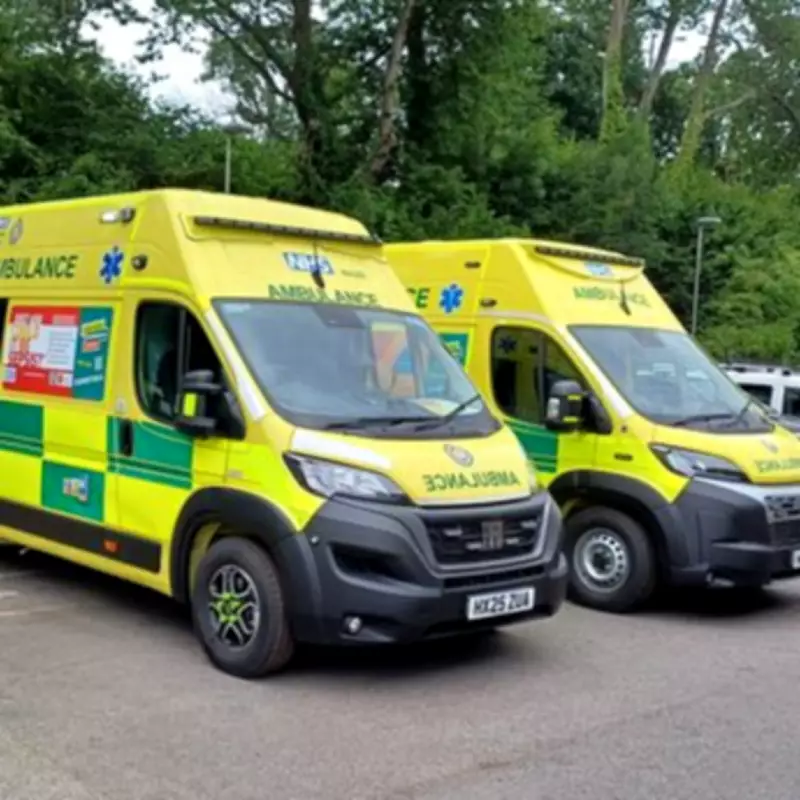
NHS Deploys Semi-Autonomous Ambulances to Combat Critical 999 Delays
A new fleet of semi-autonomous ambulances has been rolled out to 999 services across England in a major effort to tackle rising emergency response times. The NHS added 1,141 new or replacement ambulances in the 2025/26 period - the highest number recorded in a single year - as part of a strategic initiative to modernise emergency medical services.
Advanced Technology for Enhanced Safety
The modern Fiat, MAN and Ford vans are equipped with Advanced Driving Assistance Systems (ADAS) that utilise cameras, radar and ultrasonic sensors to detect surrounding objects and respond to potential dangers. When navigating through traffic, these systems can identify vehicles, pedestrians and cyclists, applying automatic braking if a collision appears imminent.
Health Minister Zubir Ahmed emphasised the significance of this technological advancement, stating: "By modernising the NHS fleet, our hardworking paramedics are equipped with all the tools they need to do their jobs safely and effectively. These vehicles are equipped with the technology to better protect staff and support faster, more effective treatment."

Addressing Historical Response Time Challenges
Ambulance response times had deteriorated significantly since 2010, reaching critical lows during the COVID-19 pandemic. In December 2022, responses to Category 2 calls - covering emergencies such as strokes, heart attacks, epileptic fits and sepsis - took an average of one hour and 33 minutes, far exceeding target times.
A Savanta poll conducted in 2024 revealed that 57% of British adults avoided calling ambulances due to fears of extended wait times, instead opting to drive themselves or ask family members to transport them to Accident and Emergency departments.
Tragic Case Highlights System Pressures
The case of Iqbal Rahman, who died on Christmas Eve 2022 at age 58, illustrates the human cost of ambulance delays. After complaining of shoulder pain during a family Christmas getaway in Hereford, his condition deteriorated rapidly. Despite multiple 999 calls, an ambulance wasn't dispatched until after he stopped breathing at 8:04pm. Although this became a Category 1 emergency requiring response within seven minutes, the ambulance arrived at 8:28pm.
Distribution and Impact of New Fleet
The breakdown of new vehicles allocated to NHS ambulance trusts demonstrates comprehensive coverage across England:
- East of England – 183
- East Midlands – 54
- Isle of Wight – 6
- London – 100
- North East – 36
- North West – 119
- South Central – 138
- South East Coast – 97
- South Western – 145
- West Midlands – 150
- Yorkshire – 113
Anna Parry, Managing Director of the Association of Ambulance Chief Executives, commented: "Delivering more than 1,100 new and replacement ambulances in a single year is a great achievement. Replacing older vehicles with modern, better‑equipped ambulances means greater reliability, fewer breakdowns and more time on the road where they are needed most."
Technological Features and Operational Benefits
The partial driving automation in the new double-crewed ambulances includes automatic braking as a last resort, with drivers receiving initial alerts through heads-up displays or audio cues. The technology also detects vehicles in blind spots and provides timely warnings to drivers.
Dr Fenella Wrigley, NHS England's national adviser for ambulances, explained: "Reliable, modern, well-equipped ambulances allow emergency teams to stay out on the road and do what they do best, responding to patients quickly and ensuring they get the care they need."
Broader System Improvements
Health Minister Ahmed highlighted that fleet modernisation represents just one component of broader urgent care reforms: "We are also taking a different approach to urgent and emergency care – one that focuses on getting patients the right care, first time. That means better triage, stronger community services, and improved coordination across the system."

Despite continued high demand during winter periods, ambulance response times for serious conditions have shown improvement, with A&E waits reaching their lowest levels in nearly five years. The NHS now reports average response times for Category 2 calls just exceeding the 30-minute target, representing significant progress from previous years.
The deployment of semi-autonomous ambulances marks a substantial investment in emergency medical infrastructure, combining technological innovation with practical solutions to address systemic challenges in emergency response capabilities across England's healthcare system.