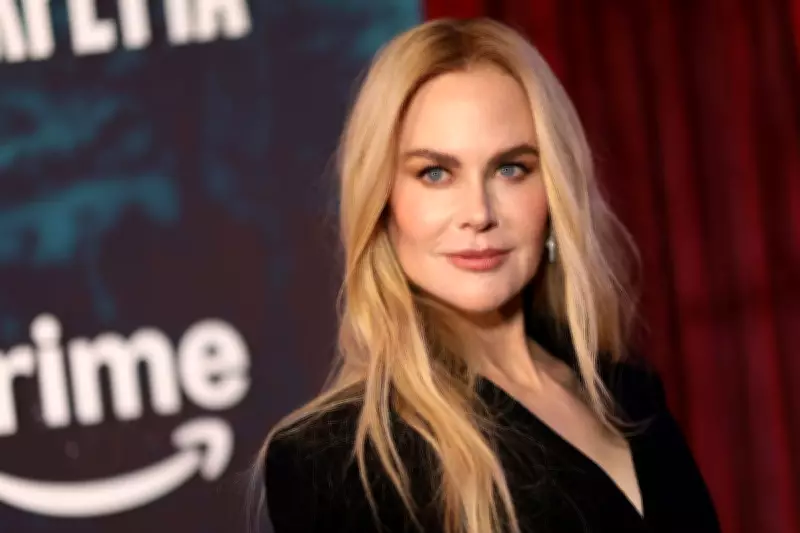
Nicole Kidman Embarks on Death Doula Training Following Personal Loss
This week, acclaimed actor Nicole Kidman disclosed that she is undergoing training to become a death doula, a role she was inspired to pursue after her mother died in 2024. Speaking to an audience at the University of San Francisco, Kidman acknowledged that the career choice "may sound a little weird" but explained her motivation stemmed from observing her family's struggles to provide adequate support during her mother's final days.
Kidman expressed a wish for "people in the world that were there to sit impartially and just provide solace and care," which led her to explore the field of death doulaship. This revelation has brought renewed attention to the growing profession of end-of-life companions.
Understanding the Role of a Death Doula
The concept of a doula is often associated with birth, where a birth doula supports families through pregnancy. A death doula operates in a similar capacity, serving as a community partner who offers support to individuals who are dying. There is no single, rigid definition for doulas, but practitioners frequently describe their work as "holding space" for their clients.

Acting as a neutral third party, death doulas work between the family, end-of-life care professionals, and funeral directors. Although training programs offer certifications, the work varies widely based on the doula's preferences and the specific assistance sought by clients. Interestingly, many people may have acted as informal death doulas within their own communities, aiding the dying or their loved ones without holding the official title.
The Historical Shift and Modern Resurgence
Historically, dying, death, and funerals were sacred communal processes managed by families in the comfort of their homes. However, during the late 19th and early 20th centuries, death became increasingly institutionalised, medicalised, and professionalised. This shift marginalised loved ones, who were deemed untrained to care for the dead according to industry standards.
By the mid-1900s, the family parlour was no longer the central gathering place for mourning, and the modern funeral industry was firmly established. This transition gradually gave rise to various paraprofessionals, including death doulas and death midwives, an ancient practice that reemerged in the early 2000s.
Stemming from the Greek term δούλα, meaning female servant, doulas serve as community helpers during liminal periods, most commonly birth and death. They aim to fill gaps that medical and funeral personnel are unable to address. Not everyone in this role uses the title "death doula"; alternatives include soul guides, compassionate companions, and vigilers.
Personal Motivations and Specialisations
Kidman highlighted her mother's loneliness during her passing, noting that "there was only so much the family could provide." This sentiment resonates with many families, where elected surrogate decision-makers often feel uncertain about end-of-life choices. Third-party advocates like death doulas help ease this burden by offering neutral perspectives during vulnerable times.
Many doulas enter the profession after personal losses, driven by a desire to share their experiences and assist others. Death doulas can specialise in various areas, such as working with pets, stillbirths, children, cognitive decline, and other types of loss. Their involvement can range from administrative tasks like advanced care planning years before a death to bedside support right before passing, or even facilitating at-home funerals.
No two doula practices are identical, just as no two deaths are the same. For those considering training, increasing death literacy is beneficial, but it's essential to explore motivations—whether seeking knowledge for personal reasons or to help others—as this influences the type of program or education pursued.
Ultimately, as death is an inevitable part of life, starting conversations about it early is never too soon. The work of death doulas underscores the importance of compassionate, impartial support during one of life's most challenging transitions.