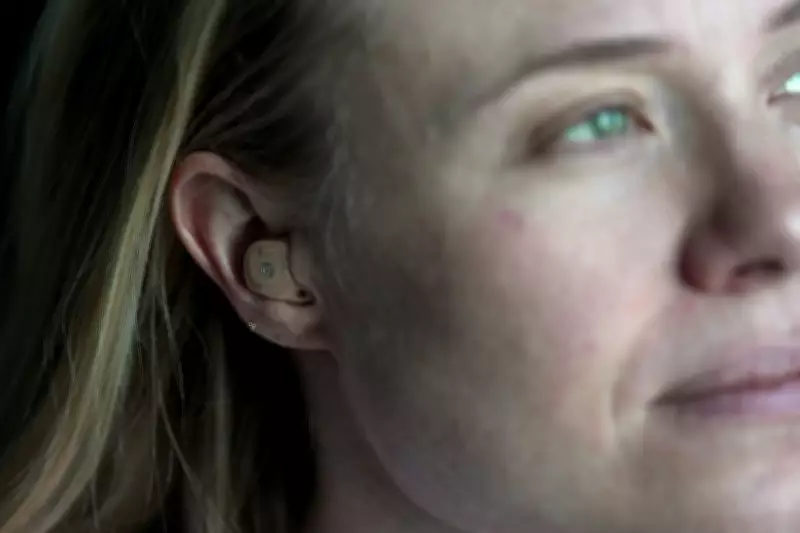
NYC Ballet Principal Dancer Embraces Hearing Aids to Reclaim Her Art
For Sara Mearns, a principal dancer with the prestigious New York City Ballet, the world had gradually become a muffled place. She found herself missing crucial cues during rehearsals, struggling to hear her dance partner's instructions across the studio, and arriving late for entrances because the orchestral music sounded distant and soft. This professional and personal isolation led her to quietly schedule a hearing examination, a decision that would fundamentally alter her life.
"I feel like it's a whole new chapter of my life," Mearns, now 40, revealed in an interview with The Associated Press. The diagnosis confirmed significant hearing loss, a condition she had endured for years before seeking help. Today, she stands as one of the first dancers in the New York City Ballet to perform while wearing hearing aids, breaking down barriers and challenging stigmas associated with auditory assistance devices.
The Hidden Epidemic of Hearing Loss
While hearing impairment is commonly associated with ageing, medical experts emphasize it can affect individuals at any stage of life. Causes range from genetic predisposition and medical conditions to nerve damage, infections, head trauma, or prolonged exposure to loud noise. For Mearns, her condition likely resulted from a combination of factors, including genetics and noise exposure.

Alarmingly, data from the National Institutes of Health indicates that less than twenty percent of American adults aged 20 to 69 who would benefit from hearing aids have ever used them. This staggering underutilisation stems from multiple barriers: lack of access to affordable devices, pervasive feelings of shame or embarrassment, and a simple lack of awareness about the symptoms.
"Hearing loss is often not detected by the person because what they can't hear, they don't know," explained Dr. Anil Lalwani, a hearing specialist at Columbia University Irving Medical Center. The subtle nature of early symptoms means many people adapt without realising their auditory capacity is diminishing.
Recognising the Signs Beyond Volume
Dr. Maura Cosetti of Mount Sinai’s New York Eye and Ear Infirmary notes that hearing loss manifests in ways beyond simply perceiving less sound. Key indicators include frequently asking people to repeat themselves, struggling to follow conversations in noisy environments like restaurants, experiencing persistent ringing in the ears, a sensation of blockage, or finding that speech sounds distorted and unclear.
For Sara Mearns, the COVID-19 pandemic became a turning point. With widespread mask-wearing obscuring lip movements, she realised how heavily she had been relying on visual cues to comprehend speech. "I realised that I was reading everybody’s lips to understand what they were saying," she recalled, highlighting how adaptive behaviours can mask underlying issues.
Navigating Diagnosis and Treatment Options
Medical professionals strongly advise consulting a doctor if any symptoms of hearing loss appear. An initial assessment can lead to a referral to an audiologist or an ear, nose, and throat specialist for comprehensive hearing tests. Dr. Cosetti mentions that tools like the Mimi Hearing Test app can provide preliminary insights, but a professional evaluation remains essential to determine the exact cause—whether it's temporary blockage from earwax or fluid, or more permanent sensory loss.
Modern hearing aids work by fine-tuning sound signals entering the brain, enhancing speech clarity while reducing background noise. Although costs can be prohibitive, many devices are now available over the counter, increasing accessibility. Some advanced consumer products, like certain Apple AirPods models, can also function as hearing assistance tools.
For more severe cases, cochlear implants may be recommended. These sophisticated devices convert sounds into electrical signals transmitted directly to the brain and involve a surgically implanted component, typically requiring several months of adaptation.

The Emotional and Professional Transformation
Sara Mearns initially felt profound embarrassment walking into the sound booth for her hearing test, anticipating failure. Her audiologist, Marta Gielarowiec, provided crucial support, helping her understand what she was missing and guiding her toward suitable hearing aids. "It's definitely not a one size fits all. There is a lot of adjustment, tuning and calibration involved," Gielarowiec explained, noting that the primary goal is to maximise remaining hearing capacity.
The benefits of addressing hearing loss extend far beyond auditory improvement. Research indicates it can significantly boost mental health, enhance communication, and even slow cognitive decline in individuals at high risk for dementia.
When Mearns first stepped out of her audiologist's office wearing her new hearing aids, the sensory overload was overwhelming. She could suddenly hear the subtle patter of shoes on pavement, distant birds chirping across the street, and the billowing of a flag a full block away. Returning to her dressing room, she wept with emotion.
Professionally, the transformation has been profound. She now experiences the full, majestic force of the orchestra during performances and can comfortably take phone calls. Reflecting on her previous life, Mearns described it as exhausting, drained daily by the strain of constantly asking for repetitions and missing out on conversations and jokes.
"I don’t want people to feel what I felt, where I was embarrassed and I was quiet about it," she stated emphatically. "Because now that I’m on the other side, I’m so happy." Her journey serves as a powerful testament to the life-changing potential of confronting hearing loss head-on, encouraging others to seek the help they need without shame.