Senior Health Officials Debate Banning Doctors from Striking
Senior health officials have engaged in discussions about potentially banning doctors from striking in an effort to end the protracted pay dispute. This revelation follows Conservative leader Kemi Badenoch's recent article in the Daily Mail, where she advocated for subjecting medics to the same restrictions as the army and police, urging Health Secretary Wes Streeting to adopt a similar stance.
Health Secretary's Shifting Position on Strike Ban
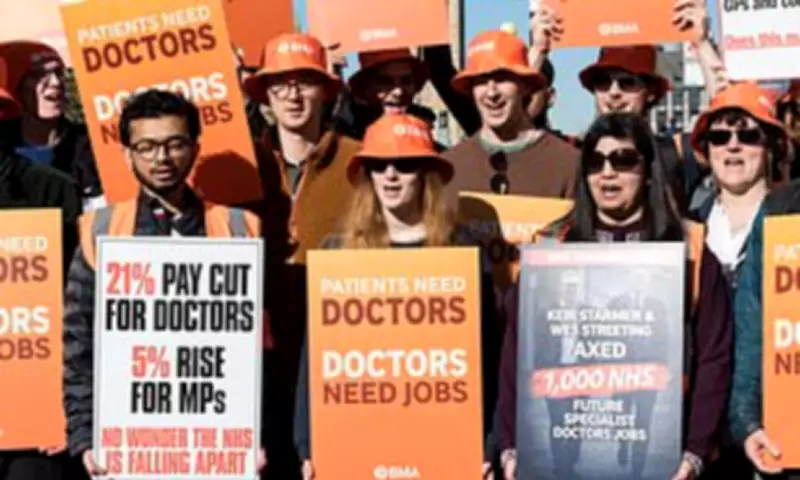
Mr Streeting has not dismissed the idea outright and now acknowledges it as a possible 'option', despite previously indicating it was not his initial 'instinct'. This shift comes as resident doctors commenced a six-day strike at 7am on Tuesday, demanding a 26 per cent pay increase on top of the 28.9 per cent they have received over the past three years.
Over the last three years, these doctors have participated in more than 60 days of strikes across 15 rounds of industrial action. Each strike day costs the National Health Service approximately £50 million in lost activity and overtime payments to covering consultants, exacerbating financial pressures on the healthcare system.

High-Level Discussions and Union Reactions
Widespread frustration with the ongoing industrial action prompted high-level officials to explore the feasibility of a ban on resident doctors striking during meetings with colleagues at the Department of Health and Social Care. They assessed the potential implementation and anticipated reactions from trade unions and Labour backbench MPs, though no formal decision or proposal was made.
Officials remain optimistic about reaching a negotiated settlement with the British Medical Association. However, the current six-day strike represents one of the longest disruptions the NHS has faced, centred on disputes over pay and job opportunities.
Political and Institutional Criticism
Mr Streeting has accused the BMA of operating like a 'cartel' and attempting to 'fleece' the public with pay demands that could burden taxpayers with £30 billion annually. He admitted that the industrial action would inevitably leave some patients 'waiting in pain or anxiety longer than is necessary' due to cancelled appointments.
Sir Jim Mackey, chief executive of NHS England, criticised the timing of the latest strikes, describing them as 'deliberately timed to cause havoc'. He noted that hospitals found it particularly 'challenging' to fill rotas following the Easter weekend, compounding operational difficulties.
Union Defence of Strike Rights
Emma Runswick, deputy chair of the BMA's governing council, strongly opposed any potential ban, labelling it 'a totally unacceptable assault on the right to strike'. She emphasised that doctors require 'the final option of industrial action' to advocate for their interests.
Ms Runswick added: 'The Labour Party claims it represents working people and originally emerged from the trade union movement, so any discussion around cracking down on unions and workers' rights would be at odds with its very founding principles and should be a huge cause for concern for all unions.'
Ongoing Strike Impact and NHS Response
Resident doctors, previously known as junior doctors, are scheduled to return to work at 7am on Monday. NHS England has reassured the public that services will remain operational over the weekend, urging patients to attend appointments as usual unless notified otherwise.
Professor Ramani Moonesinghe, national clinical director for critical and perioperative care at NHS England, praised NHS staff for their heroic efforts in maintaining patient safety during the strikes. She acknowledged the particular challenges in filling rotas after the Easter bank holiday weekend and expressed gratitude to staff who provided cover to limit disruption.
Political Accusations and Future Outlook
Mrs Badenoch, whose father was a general practitioner, has accused resident doctors of 'betraying patients' with another round of walkouts. She criticised Labour for allegedly caving too easily to previous pay demands, providing additional funds 'with no strings attached'.

Sir Jim Mackey warned of a potential 'long slog' of industrial action lasting a year or more and indicated he was exploring reforms to make frontline healthcare less dependent on resident doctors.
Rejected Deal and Government Statement
Last month, the BMA's resident doctors committee rejected a proposed deal that would have increased medics' pay rises over the past three years to 35 per cent and created thousands of new speciality training places. Acceptance would have seen some doctors earning over £100,000 annually, with first-year graduates starting on an average of £52,000.
The Department of Health and Social Care issued a statement clarifying: 'As the secretary of state has made clear, the government is not considering banning doctors from striking.' This official position contrasts with the ongoing discussions among senior officials about potential restrictions.