New research has confirmed that a one-week course of radiotherapy is just as effective as the traditional three-week schedule for many patients with early-stage breast cancer. The findings, based on 10-year results from the Fast-Forward clinical trial, indicate that the shorter treatment provides the same level of cancer control while reducing hospital visits and easing pressure on healthcare services.
Trial Details and Results
The Fast-Forward trial, sponsored by the Institute of Cancer Research (ICR) in London and published in The Lancet Oncology, followed more than 4,000 patients for a decade after their treatment. Researchers compared the standard regimen of 15 treatments over three weeks with two shorter schedules delivering five treatments over one week. The two shorter courses used slightly different radiation doses to determine the optimal amount.
All participants had early-stage breast cancer that had not spread and had undergone surgery to remove the tumour. The study included individuals with various subtypes of breast cancer.

After 10 years, the risk of cancer recurrence in the treated breast was low across all groups: 3.6% for the three-week schedule, 2.9% for the one-week treatment with a slightly higher dose, and 2.1% for the one-week treatment with a slightly lower dose. The lower-dose one-week regimen produced side effects very similar to the standard approach, with no increase in long-term changes to the breast or chest wall, making it an ideal option.
Impact on Clinical Practice
These 10-year results build on previous five-year findings that have already led to changes in clinical practice. Since 2020, the ICR estimates that tens of thousands of people in the UK have benefited from a shorter radiotherapy course on the NHS.
Professor Murray Brunt, chief investigator of the study and professor of clinical oncology at Keele University, said: "These 10-year results provide definitive long-term evidence that one-week radiotherapy given at an appropriate dose to the breast is a safe, effective and more practical option for people with breast cancer. By reducing treatment from 15 sessions to just five, we can offer patients the same excellent cancer control with fewer hospital visits, less disruption to their daily life, and reduced pressure on healthcare services. This approach has already transformed practice in the UK and has the potential to improve access to life-saving treatment for people with cancer worldwide."
Professor Judith Bliss from the ICR, who co-led the trial, added: "These final 10-year results mark a significant milestone in breast cancer treatment and reinforce the growing shift towards more efficient radiotherapy approaches."
Patient Perspective
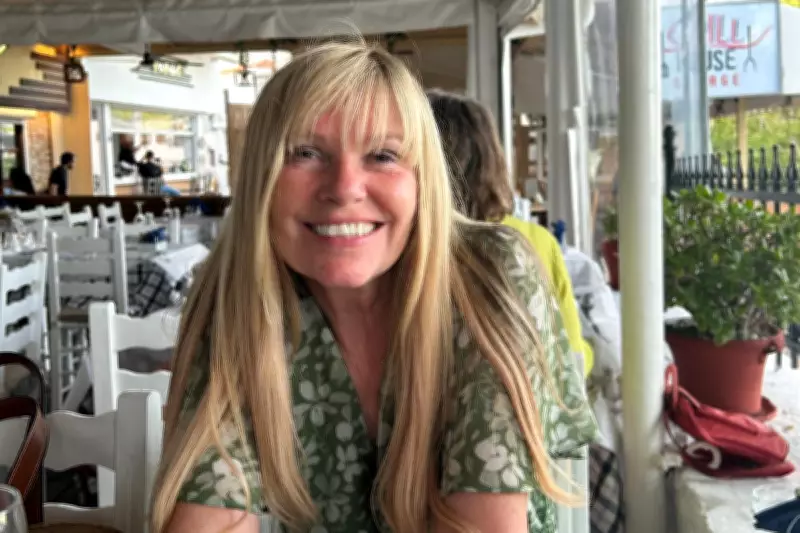
Karen Davis, 58, from Newcastle-under-Lyme in Staffordshire, participated in the trial. She said: "When the consultant told me I had cancer I thought that was it – I was 45 and thought I was going to die. I was so relieved when I found out it was treatable, but still very concerned. As well as the radiotherapy I had a lumpectomy and an oophorectomy, which is removal of the fallopian tubes and ovaries. Then I was on tamoxifen tablets for 10 years. I wanted to help other ladies in the future by going on the trial. I knew that in years gone past, my treatment would have been a full mastectomy – and that my treatment had improved because of trials and research. I was slightly nervous when I started the trial. I had the three weeks of radiotherapy in five days instead. I've been in remission ever since and the only reminder of my treatment is a bit of numbness where I had the radiation."
Ms Davis, a former professional hairdresser and wig specialist, now uses her experience to support others. She said: "Now when I'm fitting wigs for ladies who have breast cancer, if they're upset, I can tell them I had breast cancer and I know what they're going through. It can give them hope. Sometimes they tell me they're having five days of radiotherapy and I say, 'Oh I did the trial for that'. And they can see how well I am. I'm so pleased I took part, and I've been able to help these ladies that I come across in my daily work."

Expert Commentary
Dr Simon Vincent, chief scientific officer at Breast Cancer Now, said the 10-year findings "add to the strong evidence supporting a shorter course of radiotherapy, which is already recommended for many people with early-stage breast cancer and is being used across the NHS." He added: "Reducing the length of treatment, number of appointments and time spent in hospital has a positive impact for people affected by breast cancer, helping to make the difficult period following their diagnosis more manageable and offering a significant boost to their quality of life. It also eases pressures on an already overstretched health service."
Each year, around 37,000 people in the UK receive radiotherapy for breast cancer. The new evidence supports a shift towards more efficient and patient-friendly treatment regimens.