Parents in Desperate Race Against Time to Save Daughter from Rare Childhood Dementia
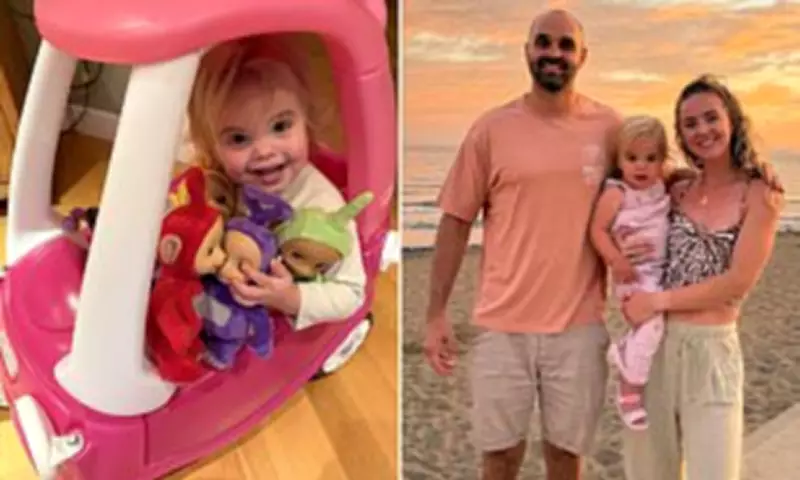
Gus and Emily Forrester are facing every parent's worst nightmare: a race against time to find treatment for their two-year-old daughter Leni, who has been diagnosed with a rare and devastating form of childhood dementia. Leni has Sanfilippo syndrome, a neurodegenerative disease that affects approximately one in 70,000 births and currently has no cure available in the United Kingdom.
The Devastating Reality of Sanfilippo Syndrome
Sanfilippo syndrome is caused by a critical enzyme deficiency that prevents the body from properly breaking down certain molecules. While children with this condition often appear completely healthy during their early years, these molecules gradually accumulate in their system, causing progressive and irreversible damage to the brain.
The irreversible neurological damage typically begins around age three, leading affected children to gradually lose essential abilities including speech, mobility, and even the capacity to eat and drink independently. For Leni's parents, this timeline creates an urgent pressure to find treatment before these devastating symptoms manifest.

"Early treatment is absolutely crucial for these children," Emily Forrester emphasized in an interview with ITV. "The damage cannot be reversed once it's done. If she has to wait six months for treatment, that could mean she loses her ability to speak. A twelve-month delay could mean she loses the ability to walk entirely."
The Search for Treatment and Government Support
Currently, there is no approved treatment for Sanfilippo syndrome available in the UK, though a clinical trial for a potential therapy is expected to begin in the United States later this year. The Forresters have established a GoFundMe page to raise funds for treatment while simultaneously urging the British government to support research that would allow similar trials to include patients within the UK.
"It's extremely frustrating because the scientific evidence exists," Emily explained. "The data is available, and it has been proven effective. Yet we cannot access these treatments for our daughter. We shouldn't have to fight for our child's life. She is as valuable as any other child, but no one is fighting for her."
Professor Brian Bigger from the University of Edinburgh has developed a promising gene therapy approach aimed specifically at tackling childhood dementia. His method involves delivering a missing gene into patients' blood stem cells, but advancing to clinical trials requires substantial funding that currently isn't available.
"We're racing against time," Professor Bigger stated. "She will start to lose brain cells, and when that happens, we're not going to get them back. Charities typically cannot fund this scale of research. It would be tremendously beneficial if we could see stronger commitment from government toward these potentially transformative therapies."
The Human Impact of Rare Diseases
Leni received her diagnosis just five months ago, an experience her mother described as "completely earth-shattering." "All your dreams for your child's future are suddenly taken away," Emily said. "To be told she has this condition with no treatment, no cure, and no support system is devastating."
Despite her condition, Leni remains "a bundle of energy" according to her parents, a smiling toddler who loves making people laugh. Yet each developmental milestone she reaches is bittersweet, as her parents know time is working against them.
"Every single day that passes without treatment, this toxic waste continues building up in our child's body," Emily explained. "Without intervention, she will suffer the most awful physical and mental decline imaginable, ultimately passing away in her early to mid-teens."
A Broader Call for Action
Childhood dementia affects approximately 240 children born in the UK each year. While conditions like Sanfilippo syndrome individually affect relatively small numbers, Gus Forrester points out that collectively, rare diseases have a much broader impact than many realize.
"When you group all these rare conditions together, they suddenly don't become that rare," he noted. "They affect a tremendous number of people and families across the country."

The Forresters are advocating not only for treatment funding but also for newborn screening programs that could detect rare genetic conditions earlier, along with increased research funding to accelerate therapeutic development.
Professor Bigger echoed this sentiment, emphasizing: "There are hundreds of children like Leni who have no therapeutic options available. These treatments have genuine potential to be transformative. All of us know someone affected by dementia. Childhood dementia is no different—it's just much, much worse because it's happening to your child."
A Department of Health and Social Care spokesperson responded: "Our thoughts are with all those living with dementia and rare conditions including Sanfilippo syndrome. We are working to ensure patients with rare diseases receive faster diagnoses while improving access to specialist care, treatment, and medications. Simultaneously, we are developing new approaches to slow dementia progression, accelerate diagnosis, and enhance our understanding of these diseases."
The full report on Leni's story will be available on ITVX and ITV Evening News on Monday, March 23.