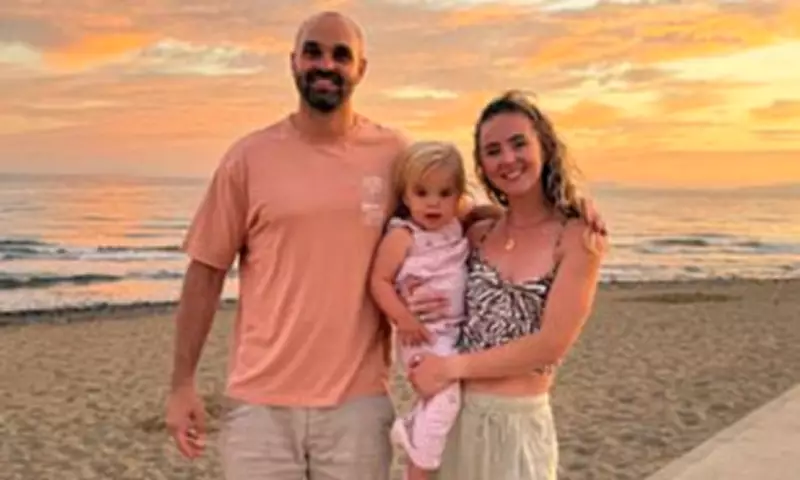
London Couple's Devastating Choice After Childhood Dementia Strikes Twice
Emily and Angus Forrester, parents from London, have revealed the heartbreaking circumstances that led them to terminate a much-wanted second pregnancy after discovering their unborn child would inherit the same rare genetic condition affecting their two-year-old daughter Leni.
The Diagnosis That Changed Everything
Leni Forrester was born seemingly healthy to parents Emily, 33, and Angus, 35. Their lives transformed six months ago when genetic testing revealed a family member carried a recessive gene for Sanfilippo syndrome, a rare neurodegenerative disorder often called childhood dementia. This degenerative disease causes children to gradually lose all motor skills—including walking, talking, and eating—by their teenage years, with most affected children dying by their mid-teens.
"We knew this pregnancy would either be the very best or very worst possible news," Emily Forrester explained. "Navigating the heartbreak of Leni's diagnosis and our new world as parents to a child with very complex medical needs, while facing all the challenges any parents face with a toddler."

A Rollercoaster of Genetic Testing
Initially, Angus tested negative for the gene, giving the couple hope and prompting them to try for another child. However, weeks later, they received devastating news: the test results were incorrect. Leni was officially diagnosed with Sanfilippo syndrome in October 2025, exhibiting classic symptoms including speech delay, hearing difficulties, and unusually bushy eyebrows.
Just two weeks after Leni's diagnosis, the couple discovered Emily was pregnant. She carried the fetus for three months before in-utero genetic testing could be performed. "We tried to detach from the pregnancy and not get our hopes up," Emily said. "But as there was a 75 percent chance that the baby would be unaffected, we couldn't help but cling on to that hope."
The Impossible Decision
When testing confirmed their unborn child would also have Sanfilippo syndrome, the couple faced what they describe as an impossible choice. With no cure or effective treatment available, they decided to terminate the pregnancy in late December 2025.
"With no treatment options, no cure, a catastrophic prognosis and poor quality of life—how could we knowingly bring another child into the world with Sanfilippo syndrome?" Emily questioned. "It was the most heartbreaking and difficult decision we have ever had to make. But we knew deep down there was no choice."
She added: "Unless you have received a catastrophic diagnosis like this for your child, you cannot imagine the heartbreak and devastation we felt. I now truly know what it feels like for your heart to be ripped out of your chest."
The Race Against Time for Treatment
Sanfilippo syndrome occurs when both parents carry a defective gene that prevents the body from breaking down heparan sulfate, causing toxic cellular waste to accumulate in the brain and organs. While estimated to affect only one in 200,000 births, the Forresters note that when all rare diseases are considered together, they impact far more families than commonly realized.
The couple has raised over £360,000 to fund research and clinical trials for potential treatments. A promising gene therapy approach—delivering missing genes via stem cells into the bloodstream—is scheduled for clinical trials in the United States later this year. However, significant funding is required to expand these trials to include British children like Leni.
"With Leni's condition, weeks and months matter as toxic waste builds up in her tiny body every single day," Emily emphasized. "Time is working against us. It's now or never for Leni."
Living With Childhood Dementia
Despite her condition, Leni's parents describe their daughter as "a bundle of energy" who loves making people laugh. They celebrate each developmental milestone while knowing they're racing against time.

"Our beautiful child, who we are watching develop into an incredible little person, will lose the ability to walk, talk, swallow, laugh, eat, and eventually her life to this condition," Emily explained. "The difference between her getting access to this treatment now versus in a year could mean a potentially near-normal life versus a significantly shortened life with severe disabilities."
The Forresters are advocating for newborn screening to detect rare genetic conditions earlier and increased government funding for research. They're also determined to make the most of their time with Leni, focusing on family adventures and creating lasting memories.
"This is her only hope," Emily concluded about the potential treatment. "I cannot imagine a more cruel, catastrophic condition with a worse impact on the child or the families and friends who love them."