

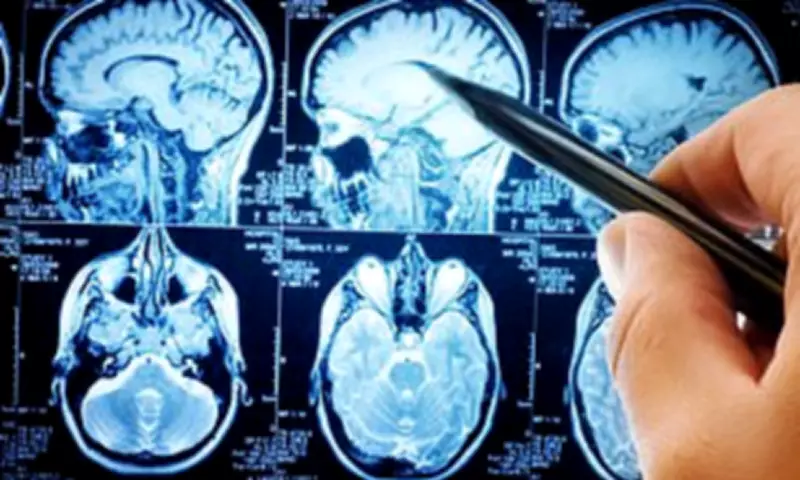
Parkinson's Disease: The Subtle Warning Signs That Appear Years Before Tremors
While many consider tremors the hallmark symptom of Parkinson's disease, affecting over 166,000 individuals across the United Kingdom, medical experts now emphasize that more subtle indicators can emerge years before any noticeable movement changes occur. Surprisingly, a resting tremor—characterized by rhythmic shaking of a body part at rest—is not essential for diagnosis, with approximately one in five Parkinson's patients never developing this symptom at all.
The Underlying Mechanism of Parkinson's Disease
As one of the most prevalent neurological disorders globally, Parkinson's stems from the progressive loss of nerve cells within the brain region responsible for dopamine production. This crucial neurotransmitter facilitates coordinated body movement, and its deficiency leads to escalating issues such as tremors, falls, and mobility challenges over time. As more cells deteriorate, patients increasingly struggle with daily tasks, though current treatments involving medication and physical therapy can manage symptoms, as no cure exists yet.
Recent research highlights that Parkinson's warning signs can manifest far earlier than previously recognized, with early diagnosis offering improved access to treatments that significantly enhance quality of life. While neurologists traditionally focus on motor symptoms like slowness, stiffness, and resting tremors for diagnosis, non-motor symptoms often precede these by more than a decade.

Early Non-Motor Symptoms: The Prodromal Phase
These early indicators, including vision alterations and constipation, mark the onset of the disease's slow progression during its prodromal phase. By the time recognizable motor symptoms emerge, doctors estimate that up to 70 percent of nerve cells in the brain stem responsible for voluntary movement may have already perished. Although not everyone experiencing these early signs will develop Parkinson's, research confirms they can serve as the initial harbingers of this debilitating condition.
Key Early Warning Signs to Monitor
Loss of Sense of Smell (Anosmia)
Up to 95 percent of Parkinson's patients experience a diminished or lost sense of smell, known as anosmia, prior to diagnosis. This symptom can appear around two decades before the disease is formally identified, with individuals facing a fivefold increased risk of developing Parkinson's. Dr. Ronald Postuma, professor of Neurology and Neurosurgery at McGill University in Canada, notes that this loss often occurs gradually, potentially affecting weight management, mood, and safety awareness, such as detecting smoke.
Research links this symptom to a smaller olfactory bulb—the brain region processing smells—in Parkinson's patients, alongside accumulations of alpha-synuclein protein in dopamine-producing cells. These protein tangles are believed to propagate the disease throughout the brain.
Acting Out Dreams During Sleep
Behaviors like talking, thrashing, or sitting up during sleep may signal REM sleep behavior disorder, where the body fails to achieve normal paralysis during vivid dreaming stages. This condition leads individuals to physically enact their dreams, potentially disrupting rest for themselves and partners. Studies indicate that 50 to 70 percent of those with this disorder develop Parkinson's or related conditions like Lewy body dementia within five to ten years, with those over 50 facing a 130 times higher likelihood.
Persistent Constipation
While occasional constipation is common, persistent cases lasting multiple weeks affect two-thirds of Parkinson's patients. Experts attribute this to nerve damage in the digestive tract from Parkinson's, where abnormal protein clumps in intestinal nerve cells and slowed bowel movements exacerbate the issue. A comprehensive analysis of nine studies found that constipated individuals have twice the risk of developing Parkinson's, with research on men aged 51 to 75 showing increased risk for those with infrequent bowel movements.
Professor Postuma remarks, "Even people constipated in their 20s or 30s seem to have an increased chance of getting Parkinson's 30, 40 years later," raising questions about whether gut nerve involvement or constipation itself acts as a risk factor.

Dizziness When Standing Up
Recurrent dizziness upon standing, known as orthostatic hypotension, may signal neurological origins linked to Parkinson's. Professor Postuma explains that when not caused by dehydration, medication, or heart issues, about half of these patients develop Parkinson's or related conditions, making it a significant risk factor. Studies associate unexplained orthostatic hypotension with eventual Parkinson's diagnoses in up to 23 percent of patients after a decade.
Understanding these early warning signs is crucial for timely intervention, as Parkinson's prevalence rises in the UK, underscoring the importance of heightened awareness beyond traditional tremor-focused symptoms.





