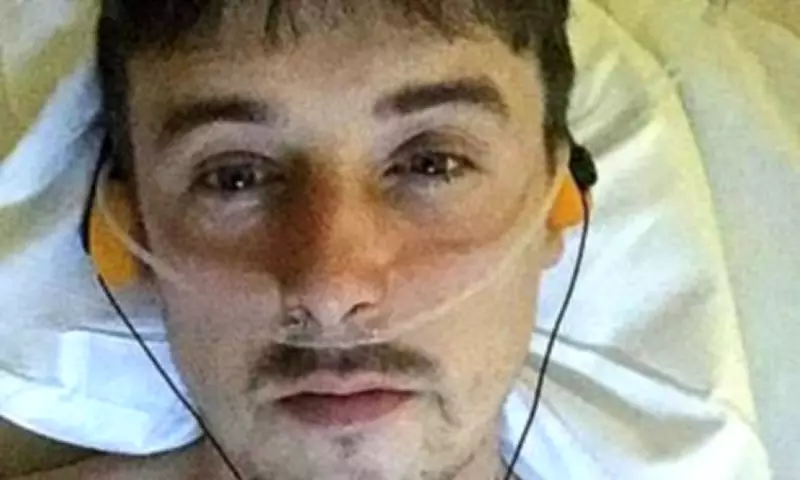
Steven Hamill's Penile Cancer Ordeal: A Journey Through Diagnosis, Surgery, and Recovery
After undergoing a drastic surgical procedure that removed four inches of his penis to save his life, Steven Hamill faced profound fears about his future, particularly his dream of becoming a father. The 33-year-old food industry worker received a devastating diagnosis of penile cancer in April 2019, following a series of distressing and escalating symptoms that began earlier that year.
The Initial Misdiagnosis and Escalating Crisis
Steven first consulted his GP in March 2019, reporting pain and swelling in his genital area. Initially, doctors diagnosed him with balanitis, an inflammation of the penis head often caused by infection or irritation, and prescribed a topical cream. However, his condition rapidly deteriorated. He developed intense, worsening pain accompanied by an extremely unpleasant odor that became noticeable to others.
The situation reached a critical point when Steven fainted and awoke in a pool of his own blood, prompting an emergency rush to A&E. At the hospital, medical professionals delivered the shocking news: advanced penile cancer requiring immediate partial amputation. Steven recalls the terror of that period, saying, 'Every time I went to bed I would think, 'is this the night I'm going to die? Will I see next week? Should I make plans for next week?''

Surgical Intervention and the Path to Remission
Transferred to The Christie NHS Foundation Trust in Manchester, a specialist cancer centre, Steven underwent a circumcision followed by the removal of approximately half his penis. Despite initial dismissals of cancer due to his young age—he was only 26 when symptoms first appeared—the surgery proved necessary. By July 2019, he received the life-affirming confirmation that he was cancer-free.
Remarkably, Steven notes that even after the amputation, he retained about four inches of functional tissue. 'I was really lucky that even after I had four inches removed it left me with around four inches,' he explains. 'So it's still fully functional and working.' This functionality later allowed him to fulfill his paternal aspirations, as he is now the proud father of a four-year-old boy.
Raising Awareness About Penile Cancer Risks and Symptoms
Penile cancer remains a relatively rare but serious condition in the UK, with approximately 700 new cases diagnosed annually, primarily in men over 50. Cancer Research UK estimates that over 60% of cases are linked to preventable risk factors, including infection with certain strains of human papillomavirus (HPV), smoking, and chronic inflammatory skin conditions like lichen sclerosus.
The disease is notoriously difficult to detect early because its symptoms often mimic less severe issues, leading to embarrassment and delayed medical consultation. Common warning signs include:
- A growth, lump, or sore that does not heal within four weeks
- Persistent rash or bleeding
- Abnormal discharge
- Unexplained weight loss, extreme fatigue, or abdominal pain
Early diagnosis dramatically improves outcomes, with over 90% of men surviving at least five years when caught promptly. However, late presentation frequently results in more aggressive treatments, including amputation.
Overcoming Stigma and Embracing Life After Cancer
Steven has courageously chosen to share his story publicly, aiming to dismantle the taboo surrounding male genital health and encourage proactive medical attention. He humorously acknowledges that friends now jokingly refer to him as 'Stumpy,' but emphasizes that his experience has not deterred him from dating or intimacy, though he admits to occasional self-consciousness.
The psychological impact, however, lingers. Steven experiences phantom pains and vivid dreams about his cancer journey, which sometimes trigger fears of recurrence. 'I think it was so much to go through in five months – it felt like years,' he reflects.

His message to other men is unequivocal: 'If anything doesn't feel right, don't be embarrassed and don't just hope it goes away. Reach out – and don't leave it too late.' By speaking out, Steven hopes to prevent others from enduring similar ordeals and to highlight that cancer can strike at any age, making vigilance and timely medical intervention crucial.