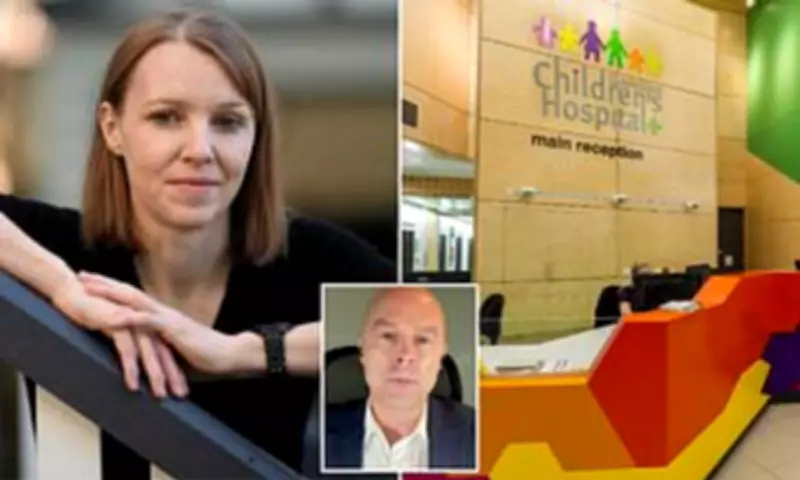
Child Psychiatrist Faces Medical Licence Threat After Gender Care Criticism
A prominent child psychiatrist in Australia faces potential deregistration after publicly criticising gender-affirming care practices at a major children's hospital. The Queensland Health Ombudsman has referred a formal complaint against Dr Jillian Spencer to the Australian Health Practitioner Regulation Agency (AHPRA), which holds the power to revoke her medical licence or impose severe practice restrictions.
Social Media Posts Trigger Regulatory Action
The investigation follows Dr Spencer's decision to share a media article on social media platform X, where she expressed significant concerns about gender-affirming medical treatment approaches. The specialist in child and adolescent psychiatry specifically criticised the environment at Queensland Children's Hospital, describing what she perceived as an inappropriate trans culture within the facility.
Dr Spencer had previously been suspended by the hospital administration after voicing objections about the institution's gender ward, which she characterised as 'oppressive' and 'inappropriate' for young patients. According to her observations, the Queensland Children's Gender Service displayed numerous Trans Pride flags, celebrated 'Wear It Purple' day for an entire week, and involved children from mental health wards in creating pro-trans artwork for display on hospital walls.

Professional Concerns About Patient Welfare
In statements to media outlets, Dr Spencer explained her position as a medical professional who felt compelled to raise concerns about potential patient harm. She argued that 'troubled kids in hospital' were being guided toward irreversible bodily changes without adequate consideration of alternatives. The psychiatrist, who worked for Queensland Health for two decades including eight years at the hospital where she served as campus director of health, described her decision three years ago to challenge what she called the facility's 'affirmation model.'
This model, according to Dr Spencer, supports gender interventions for children experiencing body dysmorphia, making puberty-blocking medications and cross-sex hormones like oestrogen or testosterone available to minors. She maintains that genuine debate about gender-affirmation treatment is being systematically suppressed by national health regulators who fear that scepticism from medical professionals might discourage transgender individuals from seeking help, potentially increasing risks of self-harm or suicide.
Hospital Environment Described as Politicised
Dr Spencer provided detailed accounts of what she perceived as a politicised environment within the hospital. She described feeling 'physically sick' after learning that gender clinic nurses conducted chest binder fitting sessions for girls, and expressed discomfort with mandatory policies requiring staff to use children's preferred pronouns rather than biological gender references. These pronoun requirements reportedly extended even to private discussions between medical professionals about patient cases.
'Before I was stood down, being in the hospital felt very heavy, walking past those Trans Pride flags every day,' Dr Spencer recalled. 'Talking to people while they're wearing rainbow lanyards and pronoun badges was dispiriting.' She characterised the extensive 'trans pride' celebrations as having taken over the entire hospital atmosphere, creating what she viewed as an inappropriate environment for vulnerable children.
Parallel Case Highlights Regulatory Consequences
Dr Spencer's situation mirrors that of another medical professional, child psychiatrist Dr Andrew Amos from Townsville, who faced severe restrictions on his medical licence in February after expressing similar concerns about gender-affirming practices. Dr Amos has been effectively banned from clinical work, with prohibitions covering direct or indirect consultations, treatments, assessments, and even telehealth interactions. Additional restrictions prevent him from posting about gender issues on social media platforms.

Dr Amos has campaigned against what he considers an affirmation model incompatible with ethical medical practice, arguing that children questioning their gender identity are often rushed toward affirmation without comprehensive psychiatric assessment. He suggests that underlying mental health conditions, identity exploration needs, or trauma responses might better explain some young people's gender questioning than immediate medical transition.
Broader Implications for Medical Free Speech
Dr Spencer believes that many doctors who share her concerns now fear speaking publicly, worried they might experience similar professional consequences to Dr Amos. She has characterised AHPRA as 'an attack dog' for gender activists working to silence dissenting medical opinions. Supporters responding to her social media posts have described gender-affirmation models as 'pseudoscience' and criticised AHPRA's actions as 'regulatory overreach.'
One respondent suggested that 'gender ideology can only be sustained when it is protected by draconian censorship,' while another questioned whether Australia was reaching a point where 'gender critical points of view' could no longer be discussed openly. Dr Spencer is currently challenging a termination notice from Queensland Children's Hospital, asserting her right to freedom of political expression as a medical professional.
Regulator's Position on Professional Conduct
AHPRA has declined to comment specifically on the cases involving Drs Spencer and Amos, but a spokesperson provided a general statement about professional standards. 'It is important that people feel safe when receiving healthcare and have confidence in regulated health practitioners,' the statement read. 'We respect practitioners' freedom of expression, including advocacy via social media, provided it does not involve abuse, discrimination, or pose a risk to public safety.'
The outcome of Dr Spencer's case could establish significant precedents regarding medical professionals' rights to publicly critique healthcare approaches while maintaining their professional registration. As the investigation proceeds, the medical community watches closely to determine where regulatory boundaries will be drawn between professional conduct standards and freedom of expression rights in complex healthcare debates.