Mother's Rectal Cancer Diagnosis After Mistaking Symptoms for Piles
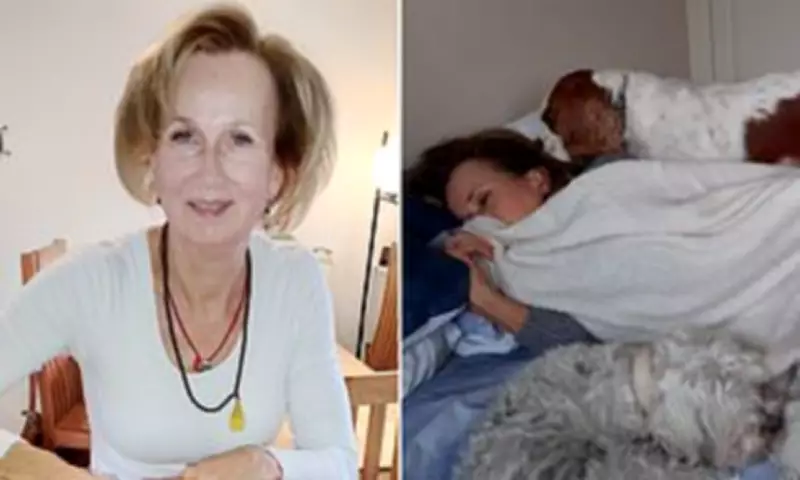
A mother-of-two who noticed unusual bleeding and a lump after using the toilet initially attributed her symptoms to piles, only to later receive the devastating diagnosis of rectal cancer. Jane Locke, a 66-year-old school teacher from Hampshire, first observed something was amiss in January 2021.
Persistent Symptoms Lead to Medical Consultation
While haemorrhoids, commonly known as piles, often resolve independently within days, Ms Locke's symptoms continued for several months. This persistence prompted her to visit her general practitioner in July 2021. During the examination, her GP noted her overall good health but expressed concern about the noticeable lump.
"They said, 'You're the fittest person I've got on my books in your age group – except for this lump'," she recalled. Approximately six weeks later, in September, she was referred to a hospital consultant, anticipating a routine procedure to remove what she believed were piles.

Immediate Identification of Serious Condition
Upon examination, the specialist quickly recognized the situation was far more serious. "They identified it as rectal cancer straight away," Ms Locke stated. She described the moment as a significant shock to her husband, though she personally was not surprised by the direct communication.
While still at the hospital, medical staff discussed potential treatments, including the possibility of needing a stoma bag, and explained the various stages of rectal cancer. "It was all really quick, but it meant I had a lot of information to go home with – even though we didn't know the stage yet," she said.
Diagnosis and Treatment Plan
About two weeks later, she underwent a biopsy along with CT and MRI scans. Doctors advised that removing the lump was not feasible due to bleeding risks. Three weeks thereafter, she received further news: she had stage one rectal cancer and would not require a stoma bag.
"It was a sigh of relief," she commented. "But the bombshell was that I had to have chemotherapy and radiotherapy every day, except weekends, for six weeks." Treatment commenced in November 2021, starting with intravenous chemotherapy before transitioning to oral chemotherapy tablets alongside daily radiotherapy sessions.
Severe Allergic Reaction During Treatment
Approximately two weeks into her treatment regimen, Ms Locke completed a radiotherapy session and suddenly felt unwell. "I told the doctor I didn't feel right – I was dizzy and just felt a bit weird," she explained. Despite having taken the tablets without issue for a week, she developed a severe allergic reaction.
She recounted watching in horror as her body began to swell rapidly. "When I was in hospital I could see my body swelling up – my legs filled with fluid, my thighs were getting bigger and I was literally watching my body expand," she said. Medical staff responded urgently, informing her that the reaction could have been fatal.
Due to Covid-19 restrictions at the time, her husband was unable to visit her in hospital. Doctors closely monitored her condition, administering an IV drip and diuretics as she struggled to walk due to the swelling. After nine days, her condition stabilised, and she was discharged without needing surgery.
Completion of Treatment and Recovery
Ms Locke continued radiotherapy until December 23, 2021. "It got harder because the radiotherapy burned my skin from just below my navel to the top of my thighs," she described. "It looked like a terrible sunburn and it was excruciating. I still felt awful for two or three weeks after finishing treatment – I had to crawl out of bed."
She subsequently underwent regular follow-up scans and, in August 2022, received the all-clear. Reflecting on her experience, Ms Locke, mother to Henry, 30, and Lexie, eight, stated she no longer postpones things and has gained a new perspective on life.
"Now, my life is brighter, more colourful, more immediate," she said. "When I wake up in the morning, I say to the universe, 'Thank you very much, I'm awake, I'm alive.'"

Broader Context of Bowel Cancer in the UK
Approximately 44,000 individuals are diagnosed with bowel cancer annually in the United Kingdom, with rectal cancers constituting a significant portion of these cases. The disease results in around 17,000 deaths each year.
Rectal cancer develops in the final section of the large bowel and can manifest through symptoms such as blood in stools, persistent changes in bowel habits, abdominal pain, fatigue, and unexplained weight loss. Some patients also experience a sensation that the bowel has not fully emptied after defecation.
Bowel cancer screening is currently being expanded across the NHS to include everyone aged over 50 in the UK. Individuals aged 50 to 52 are sent home FIT tests biennially. These stool samples are analysed in laboratories for minute traces of blood, which may indicate early signs of polyps, rectal cancer, or other bowel cancers.
Dr Angad Dhillon, a consultant gastroenterologist, emphasised the critical importance of early detection. "Even when cancer is present, detecting it at an early stage makes a huge difference," he stated. "Early rectal cancer is far more likely to be curable, often with less extensive treatment and a much better long-term outcome."