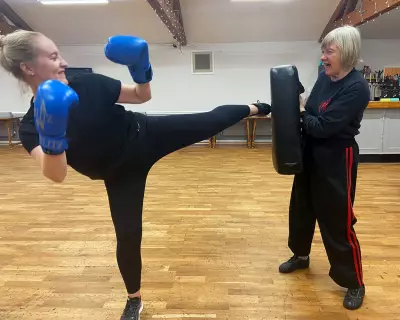
Professor John Quiggin challenges conventional views on ageing, suggesting that societal trends are better understood as a gradual stretching of the lifespan rather than merely an ageing population. This perspective shift highlights how older Australians are now healthier and more active than ever, yet outdated perceptions persist.
The Evolution of Older Athletes
Reflecting on his own experience, Quiggin notes that completing a triathlon at age 70 is no longer exceptional. In the past, competitive sports for those over 70 were largely limited to golf and lawn bowls, with triathlons only introducing age categories for 70-year-olds in the 1990s. Today, endurance sports see a surge in older participants, exemplified by events like parkrun, where thousands of Australians over 70 participate weekly.
Health and Activity Trends
Studies indicate a significant increase in physical activity among older Australians. Between 2017-18 and 2022, the proportion of adults over 65 who were insufficiently active dropped from 72% to 57%. This shift contributes to improved health outcomes, such as reduced incidence of coronary heart disease, partly due to lower smoking rates and enhanced fitness levels.

Persistent Outdated Perceptions
Despite these advancements, societal language and thinking often lag. People are still labelled as older or elderly from age 65, even as retirement ages extend to 67. This misalignment affects discussions on health and aged care, where assumptions about the needs of today's 80-year-olds may overestimate costs, given their better average health compared to past generations.
Data on Lifespan and Health
The Australian Burden of Diseases Study (2024) reveals that life expectancy at age 70 has increased by about two years since 2003, while time spent in ill health rose by only six months. This supports the idea of a stretched lifespan, where milestones like education, household formation, and retirement occur later, and most people maintain good health until their final years.
Implications for the Future
Quiggin emphasises that this stretching trend means fewer years in high-intensity aged care, with most individuals experiencing rapid decline only near the end of life. As he looks forward to competing in the 70-74 age category, he underscores the need for updated policies and attitudes to reflect the realities of a healthier, more active older population.