Routine Pregnancy Test Uncovers Mother's Rare Cancer Diagnosis
In a startling medical revelation, a first-time mother discovered she had a rare and aggressive form of cancer during what was supposed to be a standard prenatal screening. Dolly Chhabria, aged 37, was expecting her first child with husband Kumar Ekansh when a routine test indicated a serious health concern.
Initial Discovery and Diagnostic Journey
The couple opted for a Non-Invasive Prenatal Testing (NIPT) in September 2023, which analyzes fetal DNA from the mother's blood to assess chromosomal risks. Doctors delivered shocking news: Dolly had a 50% chance of having cancer. A subsequent full-body MRI revealed abnormal masses near her heart and collarbone, prompting further investigation.
A biopsy conducted four months later confirmed the cancer diagnosis. However, medical professionals informed Dolly that treatment could not begin until after she gave birth, placing her in a precarious health limbo during her pregnancy.

Birth and Intensive Treatment Protocol
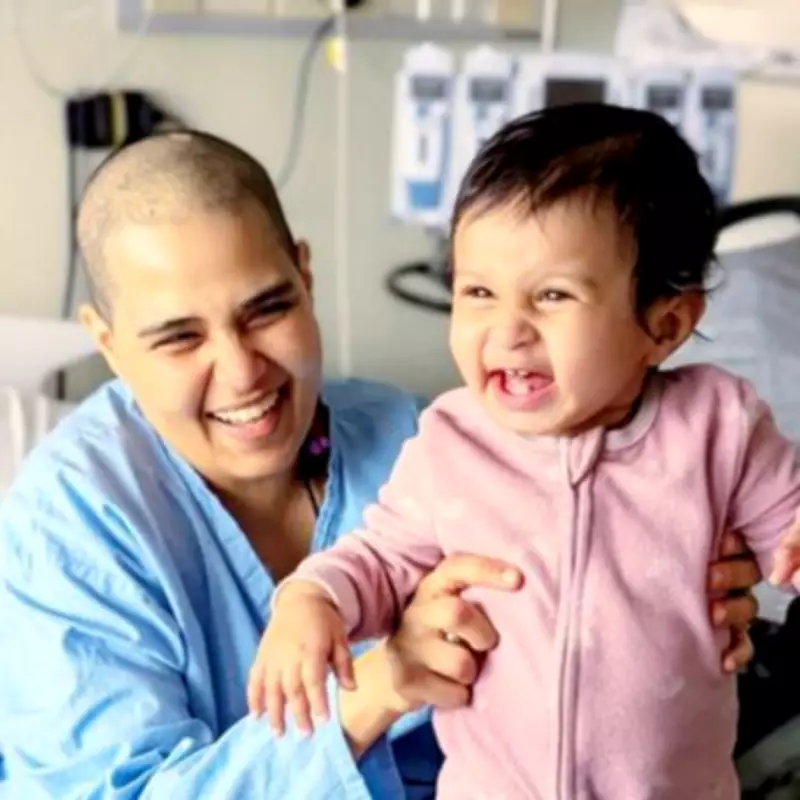
Dolly welcomed her daughter, Edha, on March 25, 2024, at 37 weeks gestation. The newborn weighed 2.5 kilograms. Just one week later, Dolly commenced intensive chemotherapy. Further testing identified her condition as Gray Zone Lymphoma, an aggressive B-cell lymphoma with limited treatment protocols due to its rarity.
"I was supposed to be glowing and preparing a nursery, but instead I was living in terrifying limbo," Dolly recalled. "I thought that only one of us would survive, and if it came to a choice, I would have saved my baby."
Treatment Challenges and Remission
The medical journey proved arduous:
- Dolly underwent bridge therapy during pregnancy to control cancer growth temporarily.
- After birth, she received immunotherapy for three months starting November 2024.
- This was followed by a stem cell transplant combined with high-dose chemotherapy.
In October 2024, scans showed the cancer had spread to her neck, confirming the Gray Zone Lymphoma diagnosis. By April 30, 2025, follow-up scans indicated Dolly was in remission, though she now requires CT scans every three months for ongoing monitoring.
Lasting Impact and Recovery
The treatments, while life-saving, have taken a significant physical toll. Dolly reported losing over 45 pounds and substantial muscle mass, alongside declined heart function and thyroid issues. She has launched a fundraising campaign to help cover medical expenses from her extensive cancer treatment.
Reflecting on her experience, Dolly emphasized the critical importance of prenatal testing, noting she almost declined the NIPT. Her story underscores how routine medical screenings can unexpectedly reveal life-threatening conditions, even during what should be a joyful pregnancy.