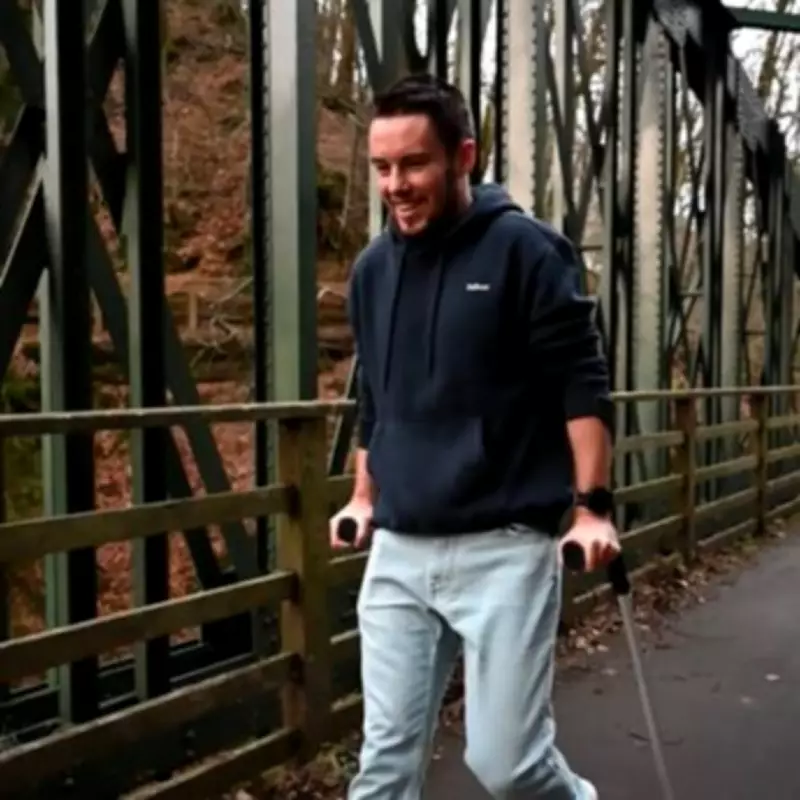
Harry Lancaster, a dedicated runner from Penrith, Cumbria, achieved a personal milestone at age 26 by completing the London Marathon in an impressive two hours and 27 minutes. Running was not just a hobby for him; it was a core part of his identity. However, this passion faced a severe challenge just one year later when, at 27, he was diagnosed with osteoporosis after suffering two stress fractures.
A Shocking Diagnosis at a Young Age
Osteoporosis is a condition that weakens bones, increasing the risk of fractures, and it typically affects older individuals. For Harry, receiving this diagnosis at such a young age was daunting. "Post-diagnosis was really scary," he admitted. "I had always been highly active, and suddenly I felt vulnerable to injury at any moment. It was a significant physical and mental hurdle, but I refused to let it end my running journey. Instead, I used it as motivation to fight my way back to health."
Comprehensive Health Rebuilding Strategy
Determined to combat osteoporosis, Harry adopted a holistic approach to rebuild his health. He made several key changes:

- Modified Training: He shifted his running regimen to focus on strength, stability, and injury prevention, reducing high mileage and intensity to allow his body time to adapt and recover.
- Prioritised Sleep: Harry began treating sleep as a critical component of his training, emphasizing regular bedtimes, extended rest periods, and proper recovery days to support bone repair and muscle recovery.
- Nutritional Focus: He implemented sustainable dietary changes, particularly increasing his intake of calcium and protein to strengthen bones and aid overall wellbeing.
A central element of his diet was SuperNutrio High Protein, High Calcium Milk, which, according to the manufacturer, provides twice the protein and 80% more calcium than regular milk. "It was such an easy addition to my diet," Harry noted. "The extra protein helped with my recovery after workouts, and the calcium was perfect for strengthening my bones."
Remarkable Recovery and Future Goals
After nine months of consistently following his new regime, Harry underwent a DEXA scan, a specialized X-ray for diagnosing osteoporosis. The results showed substantial improvements in his bone density, allowing him to resume running and rebuild his strength. This progress has enabled him to contemplate future marathons, marking a significant turnaround from his diagnosis.
This year, Harry will return to the London Marathon starting line for the first time since his diagnosis, creating a full-circle moment after his pre-diagnosis personal best on the same course. "It wasn't easy, but being able to run again was a huge win," he explained. "I knew I needed to make sustainable changes rather than rushing into anything extreme. Standing on the start line at the London Marathon again makes sharing my story even more important. I want others facing similar challenges to know there's hope and a way forward."
Expert Nutrition Tips for Marathon Runners
With the London Marathon approaching, SuperNutrio Milk has collaborated with nutritionist and exercise physiologist Natalie Rouse to share five essential strategies for runners:

- Train Smartly: Gradually increase distance with a mix of long, tempo, and recovery sessions, and taper training in the final weeks to reduce fatigue and boost energy for race day.
- Focus on Key Nutrients: Carbohydrates fuel endurance, while protein and calcium support muscle repair and bone health. Options like porridge with fruit or milk with added protein and calcium, such as SuperNutrio Milk, are effective.
- Hydrate and Restore Electrolytes: Proper hydration includes replenishing electrolytes like sodium and potassium lost through sweat. Milk offers fluids, electrolytes, protein, and carbs for recovery.
- Prioritise Recovery and Mental Prep: Incorporate sleep, light activity, and mental techniques like visualisation to prevent injuries and build confidence.
- Build Strength and Stability: Regular exercises like squats and planks improve running efficiency and protect against injuries such as shin splints.
Harry's journey underscores the power of a balanced approach to health, demonstrating that with determination and the right strategies, overcoming significant medical challenges is possible.