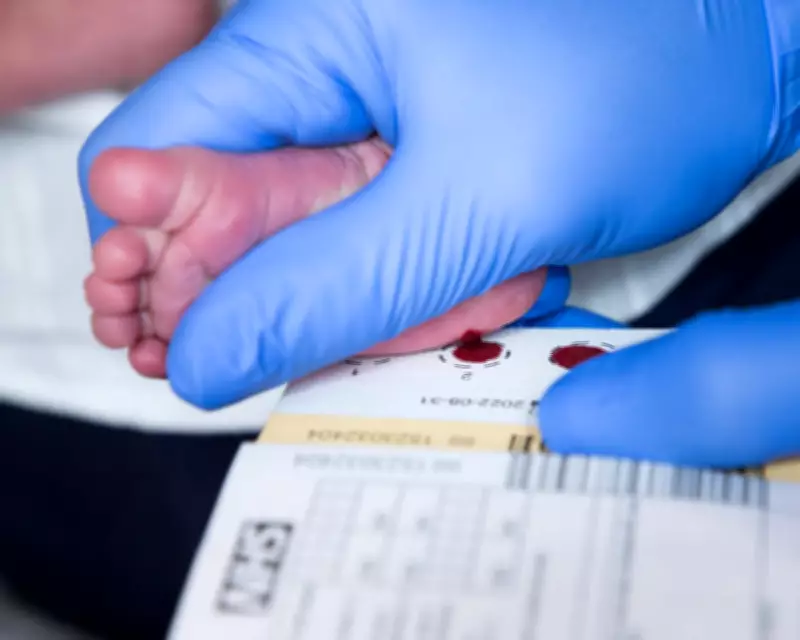
Scotland has made a groundbreaking move by becoming the first region in the United Kingdom to introduce newborn screening for spinal muscular atrophy (SMA), a rare genetic disorder that leads to progressive muscle weakness and can severely impact life expectancy. This initiative marks a significant step forward in paediatric healthcare, with campaigners advocating for years to include SMA in routine post-birth checks due to the critical importance of early detection for effective treatment outcomes.
Urgent Need for Early Diagnosis
Spinal muscular atrophy affects approximately one in 14,000 births globally, impairing movement, breathing, and swallowing functions. Without timely intervention, the condition can limit life expectancy to as little as two years. The urgency of early diagnosis was highlighted by former Little Mix singer Jesy Nelson, who revealed in January that her twin daughters, born prematurely in May 2025, were diagnosed with SMA type 1, which accounts for about 60% of all cases. Nelson described the diagnostic process as "the most gruelling three, four months, and endless appointments," underscoring the delays that can occur when symptoms are the first indicator.
Pilot Programme and Funding
All parents in Scotland are now offered SMA screening as part of the existing heel prick test, typically administered about four days after birth. The Scottish government, in collaboration with pharmaceutical company Novartis, is funding a two-year evaluation to assess the effectiveness of this screening in detecting the condition earlier, thereby allowing infants to receive treatment promptly. On average, three to four babies are born with SMA in Scotland each year, and while there is no cure, three NHS-funded drug treatments are currently available to manage the disease.

Advocacy and Broader Implications
Campaigners have long pushed for newborn testing, as damage to nerve cells from SMA cannot be reversed once symptoms appear. Giles Lomax, chief executive of the charity SMA UK, expressed optimism that the Scottish pilot will serve as "a huge impetus for other parts of the UK to speed up their own testing plans." He hopes the trial will generate compelling data to persuade the UK National Screening Committee to approve nationwide testing. Lomax emphasized, "Every month another four babies are diagnosed with SMA and the clock is always ticking," highlighting the time-sensitive nature of the condition.
Genetic Factors and Public Awareness
Although SMA is rare, an estimated one in 40 people carry the altered gene responsible for the condition. When two carriers have a child, there is a one-in-four chance the baby will have SMA. This genetic prevalence underscores the importance of widespread screening. Nelson's petition, calling for SMA to be added to postbirth checks across the UK, garnered over 100,000 signatures by February and is scheduled for debate in the Commons, reflecting growing public and political attention to the issue.
With the implementation of screening and accessible treatments through NHS Scotland, the future for those diagnosed with SMA is poised to improve dramatically compared to past cases identified only after symptom onset. Lomax noted that this combination "basically gives children the life they deserve," offering hope for better health outcomes and quality of life for affected families.