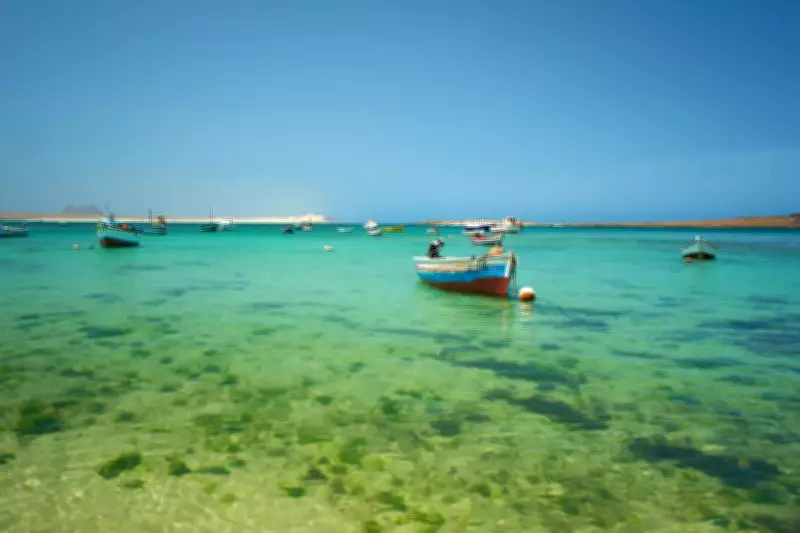
Health authorities in the United Kingdom and the European Union have issued urgent warnings regarding a significant rise in cases of shigella, a bacterial infection that causes severe diarrhoea and fever, among travellers returning from the popular tourist destination of Cape Verde. This development has sparked concerns for holidaymakers planning visits to the archipelago, known for its stunning beaches and vibrant culture.
Official Case Numbers and Reported Incidents
According to data from the European Centre for Disease Prevention and Control, there were 258 confirmed cases of shigella linked to travel to Cape Verde in the year 2022 alone. Additionally, the UK Health Security Agency has reported a further 112 cases associated with Cape Verde since October 2025, bringing the total to over 370 incidents in recent years. The majority of these infections have been traced back to the islands of Santa Maria and Boa Vista, which are frequented by international tourists seeking sun and relaxation.
Government Response and Safety Assurances
In response to these health alerts, Cape Verde's Tourism Minister, Dr José Luís Sá Nogueira, has publicly addressed the situation, insisting that the islands remain safe for visitors. He has urged tourists to continue their travel plans, emphasising that local health authorities do not classify the rise in shigella cases as an official outbreak. Dr Nogueira also refuted claims linking shigella to the deaths of four British holidaymakers, attributing these tragic fatalities to other medical causes and pre-existing health conditions, despite reports indicating symptoms consistent with gastric illness.

Unidentified Source and Expert Recommendations
Health experts have noted that the exact source of the shigella infections in Cape Verde has not yet been definitively identified, though foodborne transmission is considered a plausible route. In light of this uncertainty, medical professionals are advising travellers to adopt stringent preventative measures to reduce their risk of infection. Key recommendations include the frequent use of hand sanitiser, careful selection of food and water sources, and maintaining good hygiene practices throughout their stay.
What Travellers Need to Know
For those concerned about shigella in Cape Verde, it is essential to understand the symptoms, which typically include acute diarrhoea, fever, and abdominal cramps. While most cases resolve with proper hydration and rest, severe instances may require medical attention. Travellers are encouraged to stay informed through official health advisories and consult with healthcare providers before and after their trips to ensure they are taking all necessary precautions.
This health alert underscores the importance of vigilance when travelling to international destinations, even those perceived as low-risk. By following expert advice and heeding official warnings, tourists can better protect themselves and enjoy a safer holiday experience in Cape Verde.