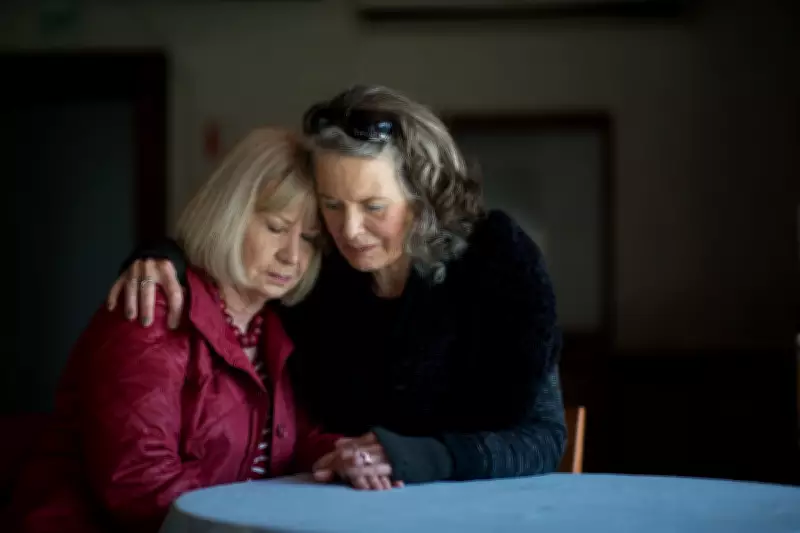
Sibling Support Eases Grief: Study Finds Fewer Mental Health Meds After Parental Loss
A groundbreaking Finnish study has revealed that individuals with a greater number of siblings are significantly less likely to purchase mental health medication in the aftermath of a parent's death. This research, published in the esteemed Journal of Epidemiology & Community Health, highlights the crucial role that kinship networks play in mitigating the emotional toll of bereavement.
Key Findings on Medication Use and Sibling Influence
The study meticulously tracked medication purchases for anxiety and depression among participants in the year preceding and following a parent's passing. It discovered a clear correlation: as the number of brothers and sisters increased, the probability of buying such medications decreased. This effect was particularly pronounced among women, suggesting that sibling support may be especially vital for female coping mechanisms during times of grief.
Furthermore, the research noted that the likelihood of seeking medication was higher after the death of a mother compared to that of a father. For only children who experienced the loss of their mother, there was a 5.1 percentage point increase in the probability of purchasing mental health drugs compared to only children who had not faced such a loss. This figure steadily declined for those with more siblings, underscoring the protective buffer that larger family units can provide.

Additional Insights and Broader Implications
The study also uncovered that deaths attributed to dementia led to a higher incidence of drug purchases, potentially due to the prolonged and stressful nature of caregiving involved. Researchers emphasized that shrinking kinship networks, a trend in many modern societies, could exacerbate the strain on adult children as their parents age, making them more vulnerable to mental health challenges.
These findings underscore the importance of familial bonds in navigating life's most difficult transitions. As societies evolve, understanding how sibling relationships contribute to resilience could inform support systems for those grappling with parental loss.