Imperial College Study Links Childhood Social Media Use to Teen Depression
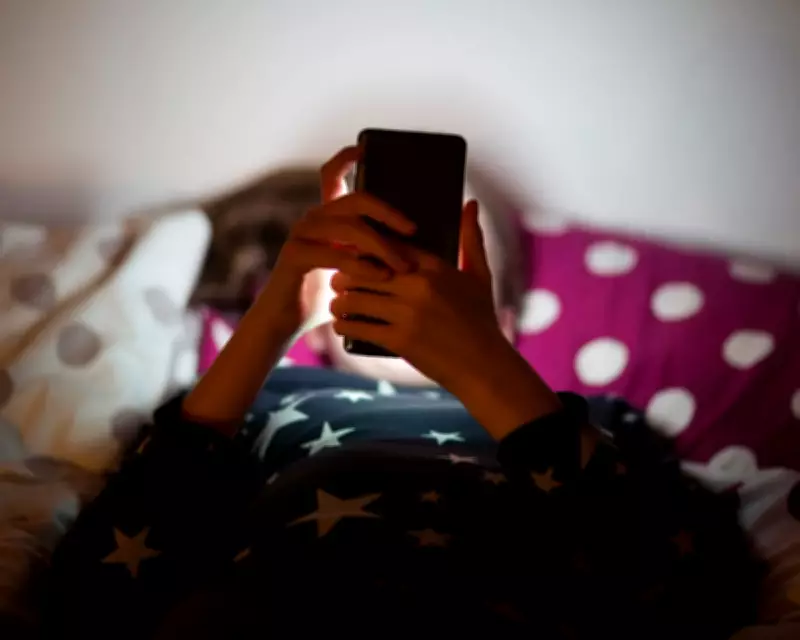
Children who engage with social media for more than three hours each day are significantly more likely to develop symptoms of anxiety and depression during their teenage years, according to new research from Imperial College London. The study, which analysed data from over 2,350 schoolchildren in London, found that this association is particularly strong for girls, highlighting a concerning trend in digital behaviours and mental health outcomes.
Sleep Deprivation Identified as Key Factor
The researchers suggest that the negative impact on mental health may be largely driven by a lack of sleep. Children who use social media extensively, especially late into the evening, tend to go to bed later and experience reduced sleep overall, particularly on school nights. This sleep disruption is believed to be a critical mechanism linking prolonged social media exposure to increased risks of depression and anxiety in adolescence.
Professor Mireille Toledano, the principal investigator and chair of Imperial's Mohn Centre for Children's Health and Wellbeing, emphasised the findings. "Our analysis shows a clear trend in terms of the amount of time spent on social media and mental health outcomes," she stated. "Children who use social media apps for longer, and later into the evening, may be offsetting the sleep they need to function healthily. We think this is the key reason we're seeing a lasting impact on their mental health down the line."

Research Methodology and Findings
The study utilised data from the Cognition, Adolescents and Mobile Phones project, initiated in 2014. Participants, aged 11 to 12 at the outset, were assessed twice: once at the start and again when they were between 13 and 15 years old. They completed cognitive tests and detailed questionnaires covering digital habits, mental health, and lifestyle factors.
- Children spending over three hours daily on social media showed higher rates of anxiety and depression symptoms compared to those using it for just 30 minutes per day.
- The link to depression was more pronounced in girls, though the reasons for this gender disparity require further investigation.
- Researchers noted that the social media landscape has evolved significantly since the data collection period (2014-2018), underscoring the need for ongoing studies.
Policy Implications and Global Context
In light of these findings, the research team has called for enhanced digital literacy education in secondary schools and more comprehensive studies to understand the evolving impact of social media. The UK government recently launched a consultation on online safety measures, including potential restrictions for under-16s, following Australia's precedent of banning social media for this age group.
However, Professor Toledano cautioned against hasty policy decisions. "Despite calls for an outright ban for under-16s, the evidence that this will solve all the issues children are facing just isn't there," she explained. "Instead of the UK jumping on an arbitrary ban, it might be prudent to see what happens in Australia over the course of this year and the impacts of the ban on young people's health and wellbeing."
Dr. Chen Shen from Imperial's School of Public Health added, "We know social media platforms have changed enormously over the last decade and are likely to change as much, if not more, in the next five to 10 years. As the platforms, usage and content evolve, we need continued research to understand how social media use affects children's mental health in today's digital environment."
The study was published in the journal BMC Medicine, contributing to the growing body of evidence on the complex relationship between digital technology and adolescent well-being.