Trans Woman's Endometriosis Charity Appointment Reignites Women's Health Debate
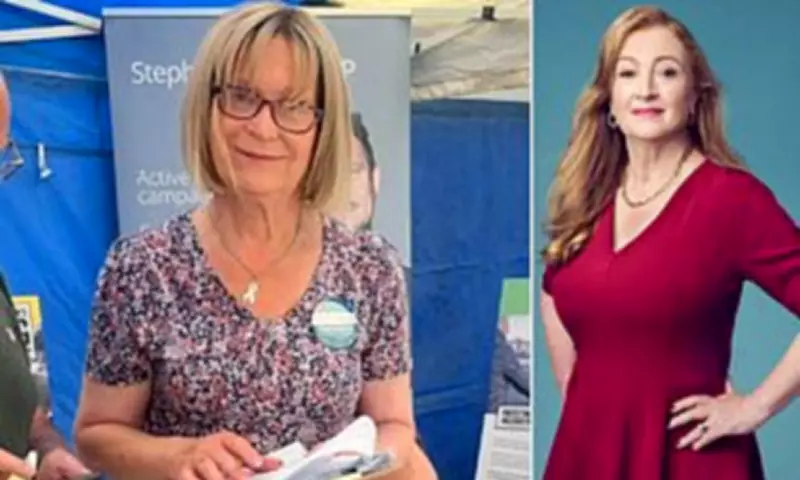
The recent appointment of Steph Richards, a trans woman, as parliamentary engagement officer for the charity Endometriosis South Coast has prompted significant discussion about representation in women's health advocacy. This development has led many women who suffer from endometriosis to reflect on their personal experiences with the condition.
A Personal Journey Through Endometriosis
Like approximately one in ten British women, I endured this debilitating disease throughout my thirties and forties. It took seven agonizing years to receive a proper diagnosis, during which time my professional life suffered dramatically. Each month brought excruciating pain that left me incapacitated and struggling to maintain normalcy.
Endometriosis is a condition exclusive to biological females, occurring when fragments of uterine lining migrate to other areas of the body, typically within the pelvic region or abdomen. These displaced tissues continue to behave as if they remain within the uterus, causing internal bleeding with no outlet for the blood to escape.

The Reality of Living with Endometriosis
The physical experience is nearly indescribable. It feels as though internal organs are being torn apart gradually, with pain intensifying over several days until the body eventually reabsorbs the blood. Frequently, these wandering tissue fragments attach themselves to other internal organs, potentially causing lasting damage.
When I first began experiencing severe symptoms, I recalled reading about fellow novelist Hilary Mantel's endometriosis experience. Her description resonated profoundly with my own suffering. However, when I consulted my male general practitioner about the possibility of endometriosis, he dismissed the notion entirely, incorrectly asserting that having children provided immunity from the condition.
The Diagnostic Odyssey
Over seven frustrating years, I consulted numerous general practitioners, all male, whose responses ranged from attributing my symptoms to motherhood-related fatigue to labeling me as neurotic. One physician even suggested I might be allergic to bath oils when my husband called for emergency assistance during a particularly severe episode.
The pain became so overwhelming that it surpassed the maximum permissible dosage of outpatient pain medication. Monthly bleeding became so excessive that I needed to sit on plastic protection while driving, and I frequently experienced fainting spells and debilitating nausea that forced me to work from the floor.
Finding Proper Diagnosis and Treatment
After years of suffering, my husband insisted I consult a private specialist in Harley Street. Comprehensive testing revealed both thyroid cancer and probable endometriosis. This began a two-year medical journey involving thyroid cancer treatment followed by laparoscopic surgery for endometriosis at King Edward VII's Hospital.
Waking from anesthesia, I experienced something remarkable: for the first time in years, I was completely free from pain. The endometrial tissue had attached to one ovary, requiring its removal and triggering premature menopause. Treatment included insertion of a Mirena coil and estrogen-only hormone replacement therapy, which restored my health and enabled me to complete my fifth novel.
The Representation Question
Steph Richards, who previously stepped down as the charity's chief executive following objections from women's rights campaigners, has returned to the organization in this new parliamentary engagement role. Richards lacks medical qualifications and, as a biological male, has not experienced endometriosis personally.
This appointment raises important questions about authentic representation in health advocacy. Being female encompasses biological realities that extend beyond external presentation or hormone therapy. It involves the complex, often challenging physiological processes that enable conception and pregnancy—experiences that come with significant physical costs that biological males do not share.

The Broader Implications
The debate extends beyond this specific appointment to fundamental questions about who can authentically represent lived experiences of women's health conditions. Just as it would be inappropriate for someone without disability to represent disabled communities, or for a white individual to speak for Black experiences, there are concerns about biological males advocating for conditions exclusive to biological females.
Women with endometriosis have endured not only physical suffering but also frequent medical dismissal and misunderstanding. Their experiences represent a particular form of knowledge that comes from living with female biology—knowledge that cannot be acquired through study or identification alone.
This situation highlights ongoing tensions between inclusion and authentic representation in health advocacy, particularly regarding conditions that are biologically specific to one sex. The conversation continues as organizations navigate these complex issues while attempting to support those affected by debilitating health conditions.