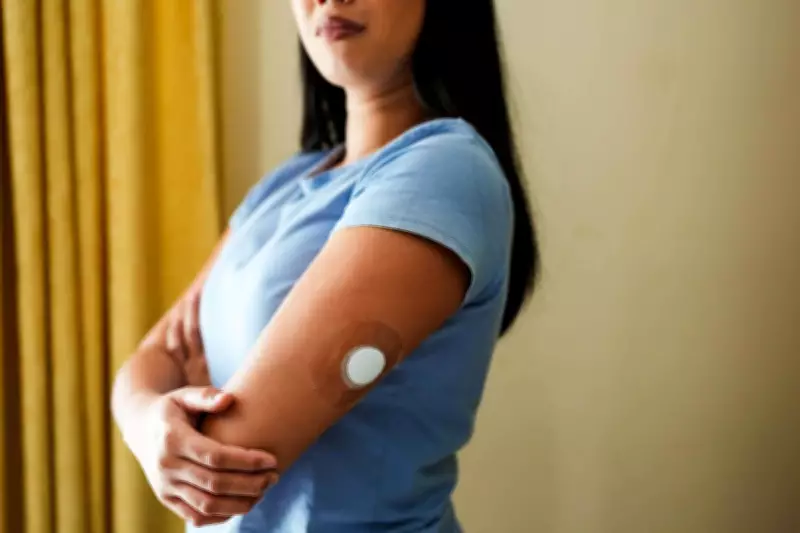
Rates of type 2 diabetes are rising twice as fast in younger women than in older women, according to new analysis from Diabetes UK. The charity suggests that inadequate follow-up care for women who develop gestational diabetes (GD) during pregnancy may be contributing to this trend.
Rising diagnoses in younger women
Analysis by Diabetes UK shows that between 2017/18 and 2023/24, diagnoses of type 2 diabetes in women under 40 rose by 47%, compared to 22% in women aged 40 to 79. Gestational diabetes occurs when women cannot produce enough insulin during pregnancy, leading to high blood sugar. While it usually resolves after birth, affected women face a significantly higher risk of developing type 2 diabetes later in life.
Concerns over postnatal care
Diabetes UK has raised concerns that poor follow-up care for GD, which affects between 10% and 20% of pregnant women, is driving the increase. Women with GD should receive HbA1c blood tests to check for diabetes between six and 13 weeks after birth, and then annually to monitor blood sugar levels. However, the first annual gestational diabetes audit by NHS England, published in 2025, revealed that only 57% of women had an annual HbA1c test after having GD. The audit also found that more than one in ten (11%) women with GD developed prediabetes within a year, while 15% developed type 2 diabetes within a decade.

Colette Marshall, chief executive of Diabetes UK, said: “These figures should be a wake-up call. Type 2 diabetes is rising twice as fast in younger women compared to older women, and a crucial opportunity for prevention is being missed. Every diagnosis is life-changing, but when it develops in younger people, type 2 diabetes is even more aggressive. Pregnancy shouldn’t be a pathway to ill health. Yet despite facing a much higher risk of type 2 diabetes, too many women with GD receive little or no follow-up care after pregnancy.”
Personal story: Meg’s experience
Meg, 33, a teacher from Somerset, was diagnosed with gestational diabetes in 2020 during her pregnancy. Six years later, she has still not received a postnatal check-up regarding diabetes risks. She said: “I had gestational diabetes for the last two weeks of my pregnancy, before my son arrived prematurely at 29 weeks. I was given no information about my increased risk of developing type 2 diabetes and the steps I could take to prevent it. I had a phone call with my GP after the birth, but there weren’t any discussions about my gestational diabetes. I’m surprised that I never had follow-up HbA1c checks, particularly as I’m considered high risk for type 2 diabetes, not only because of the gestational diabetes, but also because I have polyendocrine metabolic ovarian syndrome and family members with type 2 diabetes. Having clear facts about what gestational diabetes means for you during and after pregnancy, and how to manage it, would have made me feel so much more supported, both physically and mentally.”
Call for government action
Diabetes UK has written to women’s health minister Baroness Merron, urging immediate action to bolster postnatal support for those with GD. Ms Marshall added: “As the Government turns its strategy into action, support for women who have had gestational diabetes must not be overlooked.” Around 4.7 million people in the UK are living with a diabetes diagnosis, although Diabetes UK estimates that almost 1.3 million have undiagnosed type 2 diabetes.