As spring approaches, many Britons are eager to refresh their gardens for outdoor gatherings, but a hidden threat is emerging. Experts have issued a stark warning that backyards across the UK are becoming 'safe havens' for rats, amid a significant surge in infestations reported nationwide.
Alarming Spike in Rodent Sightings
Pest control firm Rentokil has documented a staggering 26 per cent increase in rodent sightings in Northern Ireland, with similar double-digit spikes observed in England, the West Midlands, and Scotland. This trend highlights a growing public health concern as rats adapt to urban and suburban environments.
Why Gardens Attract Rats
Edris Latifi, who runs EcoCare Pest Management, explained, 'Rats are extremely adaptable, and gardens can unintentionally provide everything they need to survive: shelter, food, and undisturbed nesting areas.' He added, 'One of the biggest misconceptions is that rats are only attracted to dirty or neglected environments. In reality, even tidy, well-maintained gardens can attract them if food is available and nesting areas remain undisturbed.'

How to Spot Signs of Infestation
Experts advise homeowners to be vigilant for key indicators of rat activity. Look for small droppings, holes, and burrows around decking edges, which are common nesting spots. Robin Antill of 1st Choice Leisure Buildings noted, 'Rats also like to stay close to walls and fences when in new environments, and this can leave dirty and oily smears.' In enclosed spaces like sheds, a pungent ammonia smell from urine may be detectable.
Common Garden Hotspots for Rats
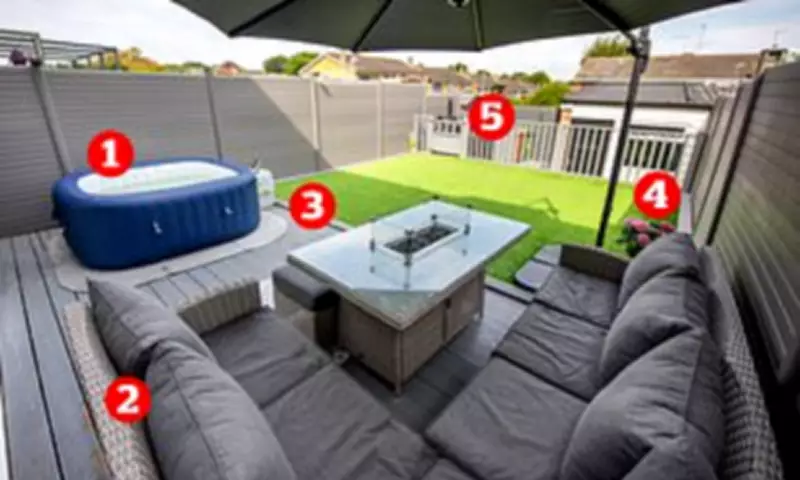
Hot Tubs: These can indirectly attract rats by providing a reliable water source if not properly maintained. To prevent access, install a mesh barrier and keep surrounding areas dry.
Outdoor Furniture: While not a primary attractor, furniture creates hidden, undisturbed spaces for nesting. Rats may burrow underneath or behind, and even hide under cushions for warmth, where they might find pet food, reducing their need to forage.
Decking: Pest control expert Daniel Steward from Shield Pest Control said decking offers dry, hidden shelter with stable temperatures, making it a common nesting area. Be cautious with food leftovers that fall through gaps, and consider installing barriers to block rodent access.
Shrubbery: Dense, overgrown shrubs protect rats from predators and weather. Mr. Latifi recommends trimming back vegetation to eliminate potential nesting sites.
Compost Bins: These provide a damp environment with food sources. Rat-proof bins by using secure, tightly fitting lids and avoid adding cooked food scraps.
Bird Feeders: A major attractor due to readily available food. Invest in rodent-proof feeders or those with catch trays to prevent spillage, as suggested by Mr. Steward.
Health Risks and Swift Action
Rats can spread dangerous diseases through their droppings and urine, making prompt action crucial. Andy Simms from MyBuilder.com advised, 'Begin by eliminating food and water sources.' This includes checking rubbish bins for cracks, as rats can exploit even small gaps, potentially necessitating bin replacement.
Preventative Measures
- Only put out bird feeders during the day when you're in the garden.
- Remove standing water from tubs or pools.
- Clear away leaves or sticks that could serve as shelter.
If these steps fail and rats persist, it is best to contact professional pest control for assistance. The surge in infestations underscores the need for heightened awareness and proactive garden maintenance to protect public health.