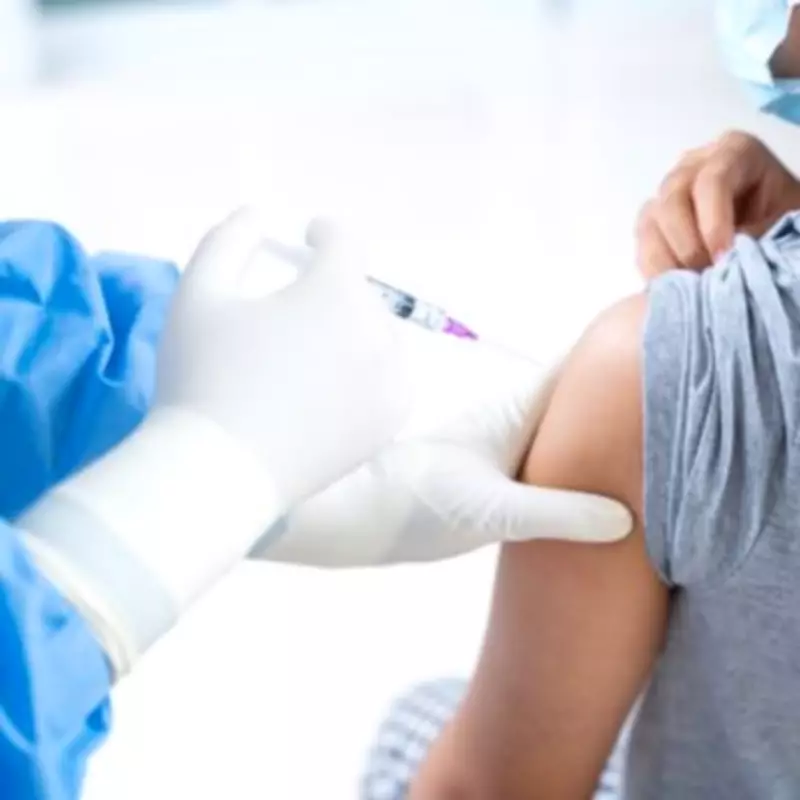
UK's Pandemic Vaccine Programme Praised as "Extraordinary Feat" While Harmed Individuals Feel Abandoned
The Covid-19 Inquiry has delivered a landmark verdict on Britain's pandemic response, highlighting both remarkable successes and significant failures in protecting the population. The comprehensive investigation found that the rapid development and deployment of Covid-19 vaccines saved approximately 450,000 lives in England alone, while simultaneously revealing how a minority of individuals who suffered adverse reactions felt "silenced, ignored or treated as vaccine deniers."
Scientific Breakthroughs and Global Impact
Britain's vaccination programme represented an unprecedented achievement in medical history, with effective vaccines developed, produced and delivered to the majority of the population in record time. The inquiry emphasised how decades of prior research into vaccine platforms enabled UK scientists to repurpose existing technology for the novel coronavirus, compressing what would normally take 10 to 20 years into less than a year from the first identified case.
The UK not only developed the Oxford/AstraZeneca vaccine but authorised two additional jabs that collectively prevented hundreds of thousands of deaths. Meanwhile, the NHS achieved a separate therapeutic breakthrough through the RECOVERY trial, which identified dexamethasone as the first effective drug treatment for Covid-19 patients on ventilators. This discovery alone saved 22,000 lives in the UK and approximately one million globally by March 2021.

The Human Cost of Vaccine Injuries
Despite these monumental successes, the inquiry presented troubling evidence about how those harmed by vaccines were treated. The report acknowledged that "any vaccine carries with it a risk for a small minority of people" and documented cases where individuals were left disabled or even died following adverse reactions.
The current Vaccine Damage Payment Scheme came under particular scrutiny for its inadequate compensation structure and restrictive eligibility criteria. The scheme requires claimants to demonstrate at least 60% disability resulting from vaccination, leading to hundreds of rejected claims even when vaccine causation was accepted. As of January 2025, 17,519 people had applied to the scheme, with almost 8,000 applicants still awaiting decisions.
Critical Recommendations for Future Preparedness
The 275-page report, part of a ten-module inquiry costing approximately £300 million, aims to provide a blueprint for future pandemic responses. Inquiry chair Baroness Heather Hallett emphasised that "when governments ask people to be vaccinated in part to protect others, there must be appropriate financial support for those rare cases of people suffering side effects."
The report makes five key recommendations:
- Establishing a pharmaceutical expert advisory panel to oversee UK preparedness for vaccine and therapeutic development, procurement and manufacturing
- Producing targeted vaccination strategies and communications through consultation with local networks to increase uptake and reduce inequalities
- Improving monitoring and evaluation of vaccine uptake and delivery to identify effective measures
- Facilitating regulatory bodies' access to healthcare records for post-authorisation safety monitoring of new vaccines and therapeutics
- Reforming the Vaccine Damage Payment Scheme with increased minimum payments and a fairer determination system
Rebuilding Trust and Addressing Systemic Weaknesses
The inquiry identified several systemic issues that hampered Britain's pandemic response, including insufficient domestic manufacturing capability and widespread vaccine hesitancy driven by online disinformation. Baroness Hallett noted that lack of trust in governments and health authorities made some communities particularly vulnerable to false information about vaccines.
"Action is needed in all four nations to build trust within communities with lower vaccine uptake and to make vaccines more accessible to them, before the next pandemic hits," she concluded. The report emphasised that while vaccines protected the vast majority against Covid-19's most serious effects and saved countless lives, public trust in vaccination programmes needs urgent rebuilding ahead of future health emergencies.