Transform Trial Commences Prostate Cancer Screening Tests on First Participants
The first male participants have undergone testing as part of the groundbreaking Transform trial in the United Kingdom, marking a significant step toward the future of prostate cancer screening. This ambitious research programme could yield results and initiate life-saving changes within as little as two years.
Potential for National Screening Programme
Medical experts anticipate that the Transform trial will shape the future of population-wide prostate cancer screening for men across the UK. The study aims to determine which combination of tests—including genetic assessments and rapid ten-minute MRI scans—proves most effective for early detection.
This development coincides with the UK National Screening Committee (UKNSC) preparing to release its final guidance this week regarding screening men for prostate cancer. The UKNSC provides crucial advice to government ministers on such public health matters.

The Current Prostate Cancer Landscape
Prostate cancer represents the most prevalent cancer in the UK, with approximately 63,000 new cases and 12,000 deaths recorded each year. Unlike breast, bowel, and lung cancers, which have established national screening programmes, prostate cancer currently lacks any systematic nationwide screening initiative.
In a draft recommendation issued last year, the UKNSC proposed screening only men with BRCA1 and BRCA2 genetic mutations every two years between ages 45 and 61. The committee declined to recommend population screening using the prostate-specific antigen (PSA) blood test, citing concerns that it might lead to unnecessary biopsies or surgeries for tumours that would never cause harm during a patient's lifetime.
Challenges to Existing Recommendations
However, a comprehensive review conducted by the York Health Economics Consortium has identified significant flaws in the model used by the UKNSC. The analysis found that this model relied on outdated data, diagnosis methods, and treatments. Furthermore, it failed to account for the impact of a coordinated screening programme on the UK's existing testing infrastructure and did not address serious population health inequalities.
Analysis of contemporary MRI-led screening studies suggests the model cited by the UKNSC may have substantially overstated potential harms by up to sevenfold.
First Participants and Testing Methods
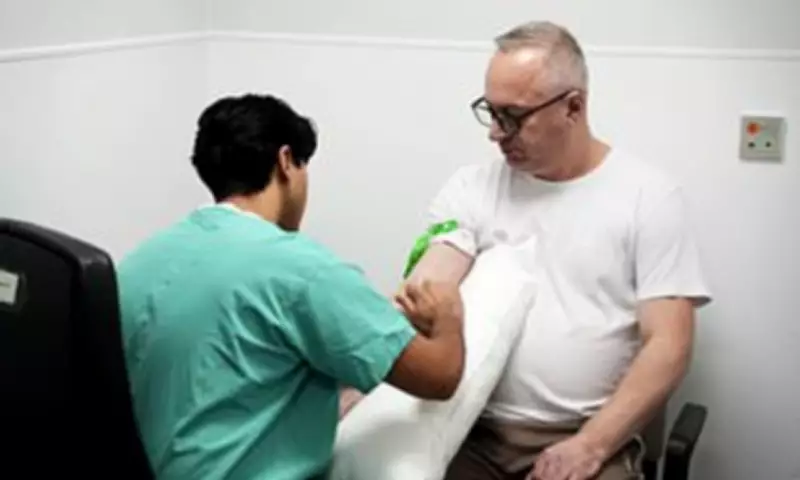
Among the first individuals tested in the Transform trial is Jaroslaw Galik, a 55-year-old London resident. He and other participants attended the InHealth community diagnostic centre in Ealing, west London, undergoing a combination of PSA blood tests, fast MRI scans, and genetic spit tests to identify the safest and most effective detection methods.
Mr. Galik shared his perspective: 'I'd heard about prostate cancer over the years and thought I should probably speak to my GP, but I never actually got round to doing anything about it. There isn't that routine screening programme, so it just wasn't something that felt urgent.'
'When the letter about Transform arrived, I realised this was a straightforward way to check my own risk while also contributing to something bigger. If taking part helps move us closer to having a proper screening programme in the future, so men are just invited by their GP like they are for other cancers, that would make such a difference.'
Campaigning and Expert Perspectives
The Daily Mail is actively campaigning to end needless prostate cancer deaths and establish a national screening programme, initially targeting high-risk men such as those who are black, have a family history of the disease, or possess particular genetic mutations.
Laura Kerby, Chief Executive of Prostate Cancer UK, stated: 'Men across the country are crying out for a screening programme, and we're committed to building a future where every man gets that chance. We know that a safe and effective mass screening programme could save thousands of men's lives, and it starts with these men walking through the door today and trialling these tests.'
'They're helping to build a future where prostate cancer is found early, consistently, and fairly, and where no man's diagnosis is left to chance.'

Government Support and Trial Structure
Health Secretary Wes Streeting expressed surprise at the UKNSC's draft recommendation and pledged to consider the views of charities and other experts before making a final decision. He remarked: 'Transform is the most ambitious prostate cancer research programme in a generation, and I'm proud the Government is backing it. The evidence it generates will be crucial in shaping how we screen for this disease for decades to come.'
The UKNSC has agreed to review any new evidence emerging from the Transform trial. Initially funded by Prostate Cancer UK and the National Institute for Health and Care Research (NIHR), the trial will test new techniques against current NHS methods. The subsequent stage will advance the best methods for testing in a group of up to 300,000 men.
Professor Lucy Chappell, Chief Scientific Adviser at the Department of Health and Chief Executive Officer of the NIHR, emphasized: 'Welcoming the first men to this trial is a huge moment. Transform aims to tackle one of the biggest killers.'