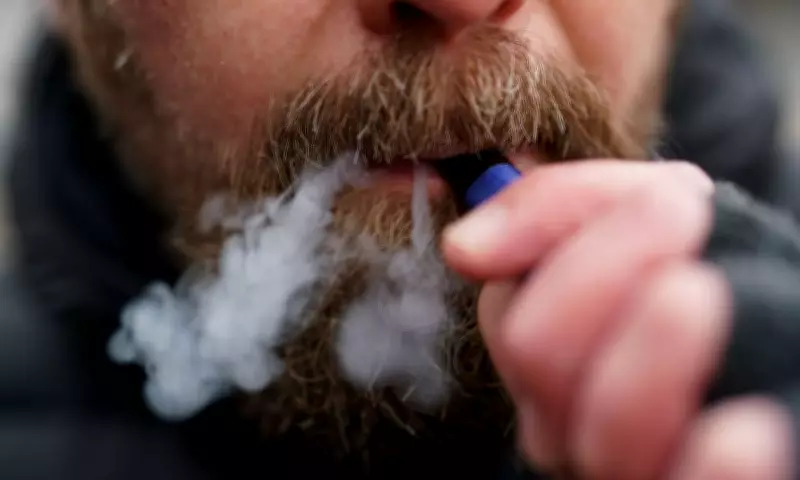
Vaping is likely to cause lung and oral cancer, according to a comprehensive new review of evidence by Australian researchers, who have identified early warning signs in the body strongly linked to cancer risk, including DNA damage and inflammation. The study, led by the University of New South Wales in Sydney, analysed reviews of evidence from animal studies, human case reports, and laboratory research published between 2017 and 2025, making it one of the most detailed assessments to date on whether nicotine e-cigarettes could cause cancer.
Pre-Carcinogenic Changes Associated with Vaping
The review, published in the journal Carcinogenesis, found that vaping is associated with pre-carcinogenic changes in the body. Co-author Adjunct Professor Bernard Stewart stated, "There is no doubt that the cells and tissues of the oral cavity, the mouth and the lungs are altered by inhalation from e-cigarettes." These alterations include DNA damage and inflammation, which are known precursors to cancer development.
Challenges in Determining Definitive Risk
Because modern e-cigarettes were only invented in the early 2000s, there is insufficient long-term data from large populations of vapers who have developed cancer to determine a definitive risk level. Additionally, many vapers also smoke tobacco, complicating efforts to isolate the effects of vaping alone. For these reasons, the review did not quantify how many people might develop cancer from vaping but instead assessed whether it causes biological changes known to lead to the disease.

Evidence from Case Reports and Animal Studies
The review included case reports from dentists who observed oral cancer in individuals who had only vaped and never smoked. It also examined animal studies, such as one where mice exposed to e-cigarette vapour developed lung tumours at higher rates than unexposed mice. While such findings do not directly translate to humans, they contribute to the overall evidence base.
Lead author Associate Professor Freddy Sitas, an epidemiologist, highlighted the historical context, noting that it took 100 years of evidence before the US Surgeon General recognised smoking as a cause of lung cancer in 1964. He warned against repeating this delay with vaping, urging policymakers to take emerging research seriously.
Regulatory Implications and Public Health Warnings
Researchers emphasised that regulators need to act now to protect people, especially children, from potential harm. Professor Becky Freeman, a tobacco control researcher at the University of Sydney, stated, "This study is the first to assert that there is likely an increased cancer risk for people who vape, compared to people who do not vape. This information is particularly important for young people who have never smoked."
She added that vaping is not a safe alternative to smoking for non-smokers and reinforced the importance of Australian laws that limit vapes to pharmacy-only access for those using them to quit smoking. This approach aims to prevent youth access while providing a regulated channel for cessation efforts.
Comparisons with Smoking and Cessation Challenges
While some experts, like Professor Stephen Duffy from Queen Mary University London, cautioned against overinterpreting the research to say vaping is as harmful as smoking—noting that vaping lacks combustion products with massive carcinogenic effects—Stewart argued it is crucial to assess vapes' cancer risk independently. He said, "It's not an alternative to smoking ... It's not an alternative to anything in the context of being safer, it is dangerous, and that's the message."
Sitas pointed out that unlike smoking, where cessation aids like nicotine gum and drugs exist, evidence on stopping vaping is very inconclusive, highlighting the need for more research and regulatory action.
Call for Proactive Measures
Calvin Cochran, a research fellow at the University of Otago's Department of Public Health in New Zealand, stressed that nearly 8,000 studies were assessed to reach the conclusion on smoking, and similar vigilance is needed for vaping. He said, "We risk repeating that same fate with vaping if we don't take emerging research and warning signs seriously. Every study like this should be considered seriously by policymakers, governments, and health organisations."

The researchers concluded that based on current evidence, e-cigarettes are likely to cause lung and oral cancer, though the exact burden remains uncertain. They urged a proactive approach to regulation and public health messaging to mitigate risks.