US Newborns Denied Vitamin K Shots: Refusals Double, Risking Brain Bleeding
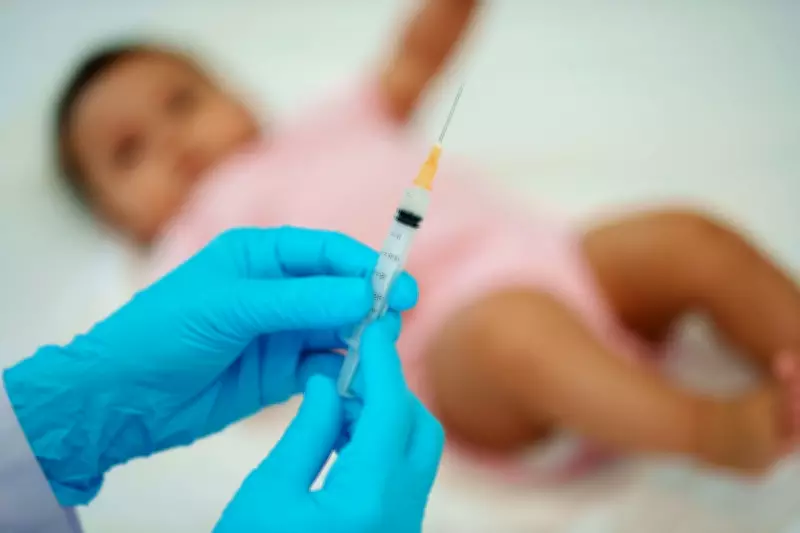
A troubling trend is sweeping across American hospitals as a growing number of parents are refusing vital vitamin K shots for their newborn babies, sparking serious concern among paediatricians and medical experts. This refusal rate has nearly doubled in recent years, leaving infants vulnerable to potentially fatal brain bleeding and other severe health complications.
Alarming Statistics and Medical Warnings
Recent research published in the Journal of the American Medical Association reveals that parental refusals of vitamin K injections have surged from 2.9 percent to 5.2 percent between 2017 and 2024. This analysis of over five million births nationwide indicates a significant shift in parental attitudes toward established medical practices.
Dr. Tom Patterson, a paediatrician with nearly thirty years of experience practicing in Idaho, has witnessed this disturbing trend firsthand. He reported instances where half the newborns in his hospital were denied the vitamin K shot on one day, and more than a quarter on another occasion. "When you look at a child who's innocent and vulnerable—and a simple intervention that's been done since 1961 is refused—knowing that baby's going out into the world is super worrisome to me," Patterson expressed with genuine concern.

The Critical Importance of Vitamin K
Babies are born with naturally low levels of vitamin K, which is essential for proper blood clotting. Their intestines cannot produce sufficient amounts until they begin eating solid foods at approximately six months old. Without this crucial injection, infants face dramatically increased risks of vitamin K deficiency bleeding, which can affect the brain and gastrointestinal tract.
"Vitamin K is important for helping the blood clot and preventing dangerous bleeding in babies, like bleeding into the brain," explained Dr. Kristan Scott of the Children's Hospital of Philadelphia, who led the JAMA study. Research confirms that newborns who do not receive the vitamin K shot are eighty-one times more likely to develop severe bleeding than those who do.
Before routine injections became standard practice, approximately one in sixty babies suffered from vitamin K deficiency bleeding. While the condition is now rare thanks to widespread medical adoption, the recent surge in refusals threatens to reverse this progress.
Real-World Consequences and Tragic Outcomes
Medical professionals have witnessed the devastating consequences of these refusals firsthand. Dr. David Hill, a Seattle paediatrician and researcher, described caring for a toddler whose parents had chosen to forgo the vitamin K injection. The child essentially suffered a stroke as a newborn, resulting in severe developmental delays and ongoing seizures.
At a February meeting of the Idaho chapter of the American Academy of Pediatrics, doctors reported knowledge of eight deaths from vitamin K deficiency bleeding in the state over the preceding thirteen months. These preventable tragedies highlight the urgent need for education and intervention.
Broader Pattern of Medical Skepticism
The refusal of vitamin K shots represents part of a larger pattern of increasing parental skepticism toward established medical practices. Research indicates that parents who decline vitamin K injections are significantly more likely to also reject the hepatitis B vaccine and erythromycin eye ointment, which prevents potentially blinding infections contracted during birth.
Dr. Kelly Wade, a Philadelphia neonatologist, noted that while these families clearly care deeply about their infants, "I hear from families that it's hard to make decisions right now because they're hearing conflicting information." This confusion has been exacerbated by social media misinformation and political influences that undermine established science.

Root Causes and Parental Motivations
Parents cite various reasons for refusing routine newborn care, including fears about potential side effects, concerns about causing pain to their infants, and a desire for a "more natural" approach to childbirth and early infancy. Dr. Steven Abelowitz, founder of Ocean Pediatrics in Orange County, California, explained, "There's a ton of misinformation. There are outside influences, friends, celebrities, nonprofessionals and political agendas."
This mistrust appears to cross political boundaries. Abelowitz practices in an area with approximately equal numbers of Republicans and Democrats, noting, "There's more mistrust from the conservative side, but there's plenty on the more liberal side as well. It's across-the-board mistrust."
Medical Community Response and Education Efforts
Doctors across the country are responding to this crisis with increased education efforts and patient conversations. Dr. Heather Felton, a paediatrician at Norton Children's in Louisville, Kentucky, emphasizes the importance of addressing specific parental concerns. "It really helps that you can take that time and really listen and be able to provide some education," she noted, adding that most families ultimately decide to accept the vitamin K shot after these discussions.
Dr. David Hill stresses the importance of approaching these conversations without judgment. "If I walk into the room with judgment, we are going to have a really useless conversation," he said. "Every parent I serve wants the best for their children."
Changing Perspectives and Hope for Improvement
Some parents who initially refused vitamin K shots have reconsidered their positions after learning more about the risks. Dana Morrison, now a Minnesota doula, declined the injection for her first child but accepted it for her second after a complicated birth left her infant with a bruised leg. Reflecting on her experience, Morrison stated that knowing what she does now, she would have gotten the shot for her first child as well.
Medical professionals remain committed to changing minds through respectful dialogue and evidence-based education. As Dr. Patterson concluded, "I end every discussion with parents with this: 'Please understand at the end of the day, I'm passionate about this because I have the best interest of children in my mind and heart.' I understand this is a hot topic, and I don't want to disrespect anybody. But at the same time, I'm desperately saddened that we're losing babies for no reason."