Wandering Star: A Photographic Exploration of Double Vision and Identity
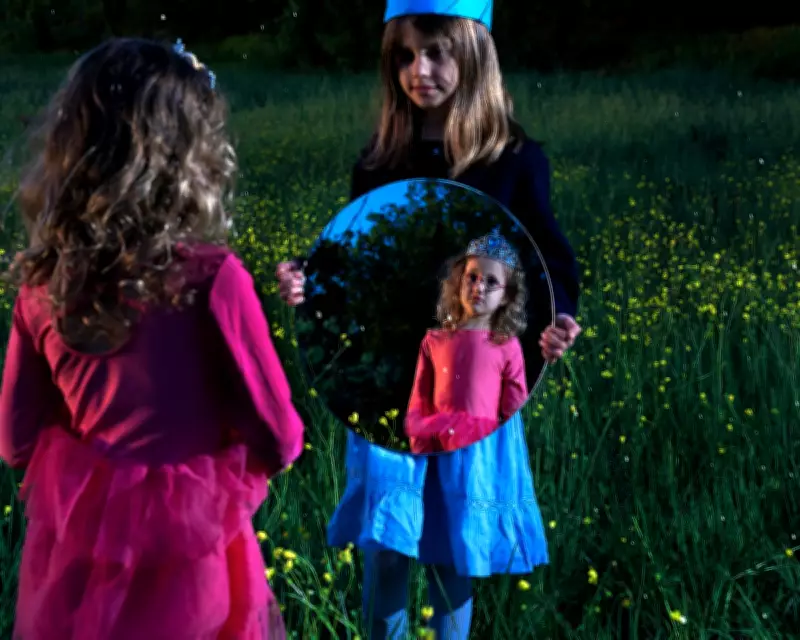
Amanda was born with accommodative strabismus, a condition that makes looking in the mirror far from a simple act. Photographer Vanessa Vettorello's project, Wandering Star, delves into the often misunderstood and complex world of double vision, a topic rarely discussed openly in society. This investigative work blends reportage with reconstructed memories to explore how a physical condition shapes personal identity and the experience of seeing and being seen.
The Daily Struggles of Diplopia
Imagine a world where judging distances is a daily challenge, and pouring water into a glass requires intense concentration. At a school volleyball game, you might see the ball and run for it, only to be a moment too late due to visual misalignment. Diplopia, or double vision, is a medical condition where a single object appears as two images, commonly caused by eye muscle misalignment known as strabismus.
Strabismus can be constant or intermittent, and when it begins in early childhood, children often learn to suppress one image to avoid double vision. However, in some cases, like Vanessa's, double and blurred vision persists from an early age. About 4% of the global population experiences this misalignment, yet it remains poorly understood by many.

Personal Stories and Medical Insights
Vanessa developed strabismus at age three, experiencing everything with a twin image. At 12, she underwent successful surgery to regain binocular vision, but for years, she buried the memory. As an adult, she began to reflect on how her condition might have influenced her abilities, such as in sports or school performance, prompting her to seek out others with similar experiences.
The project includes poignant stories, such as Giulia, who wears bifocals for accommodative strabismus and faced unkind classmates at school. Her mother shared a touching moment when Giulia, after getting new glasses, saw the moon clearly for the first time. Another subject, Ayda, 10, resolved her accommodative strabismus through consistent use of glasses, diagnosed early with astigmatism and hyperopia, and now values uniqueness positively.
The Social and Psychological Dimensions
Wandering Star goes beyond medical facts to examine the social stigma and lack of awareness surrounding strabismus. For instance, Vittoria's parents only recognized signs like reading difficulties and eye-rubbing after a diagnosis of latent strabismus, triggered by a viral infection. The project also features C, a photographer who views her diplopia as integral to her identity and fears losing it through surgery, using her double vision creatively in daily life.
Vanessa interviewed 20 people deeply, including a filmmaker who turned vision loss from amblyopia into a creative strength and a mother whose child saw the moon clearly after getting glasses. These narratives highlight the emotional and psychological toll of living with a different gaze, as well as the advancements in modern surgery, contrasted with older, more invasive procedures.
Conclusion: Bridging Past and Future
Wandering Star serves as a bridge between Vanessa's past experiences and her future work, reflecting on the act of seeing and being seen. Supported by the GFX Fujifilm Global Grant, this project aims to foster greater understanding and empathy for those with strabismus, encouraging open discussion about a condition that affects millions worldwide.