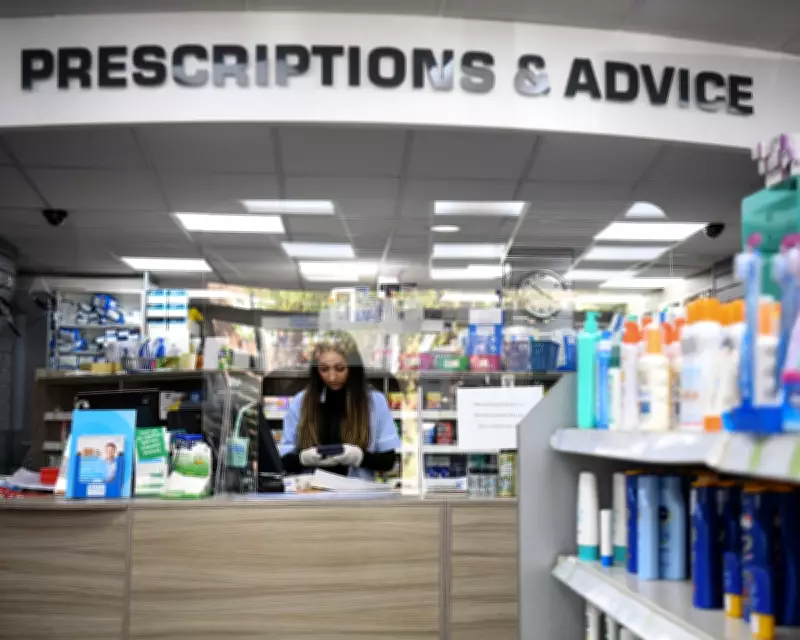
Patients across England are encountering significant challenges in accessing essential medications on weekends, as new data reveals a sharp reduction in pharmacy opening hours. According to the National Pharmacy Association (NPA), one in six pharmacies in England have cut their weekend hours since 2022, with some closing entirely due to unsustainable financial pressures.
Impact on Patient Access and Healthcare Services
The cuts have resulted in a loss of more than 20% of weekend opening hours overall, severely limiting pharmacy availability. This has forced some individuals to turn to accident and emergency departments or urgent treatment centres for services such as obtaining the morning-after pill, emergency prescriptions, or advice on minor ailments. The trend is particularly concerning for vulnerable groups, including disabled people, shift workers, and those without access to private transport or reliable public transit.
Regional Disparities and Case Studies
Rural regions like Devon, Cornwall, and the Lake District are among the hardest hit, though urban areas such as Manchester and Leeds have also seen reductions. For instance, in St Ives, Cornwall, three pharmacies once operated, with one open on weekends. Now, only one remains, and it does not open on Saturdays or Sundays, requiring residents to travel to Hayle or Penzance for assistance.

Similarly, in Windermere, Cumbria, patients face a 10-mile drive to the nearest Sunday-open pharmacy, a journey taking 25 minutes by car or 45 minutes via public transport. These examples underscore the growing accessibility crisis in community healthcare.
Financial Strains and Broader Consequences
The NPA attributes the hour reductions to deep funding cuts, noting that pharmacy funding from the NHS has fallen by 40% in real terms since 2016. This financial strain has contributed to the closure of approximately 1,550 pharmacies in England since 2017, further exacerbating service gaps. Olivier Picard, chief executive of the NPA, warned that the pharmacy network is "creaking at the seams," with patients, especially in rural areas, bearing the brunt of these challenges.
Voices from Patient Advocacy Groups
Rebecca Curtayne of Healthwatch England expressed concern, stating that cuts to weekend hours create real difficulties for those with limited mobility or transport options. Rachel Power from the Patients Association echoed this, highlighting that local pharmacies serve as a critical lifeline, preventing unnecessary visits to GPs or hospitals. She emphasized that the government's goal of moving care closer to home is undermined when pharmacy doors close.
Government Response and Future Outlook
A Department of Health and Social Care spokesperson defended the government's support, citing a £3.1 billion funding uplift over the last two years, the largest for any NHS sector. They mentioned ongoing consultations with Community Pharmacy England to secure future funding and enhance community-based care as part of a 10-year health plan. However, patient groups argue that current measures are insufficient to address the immediate crisis in pharmacy accessibility.