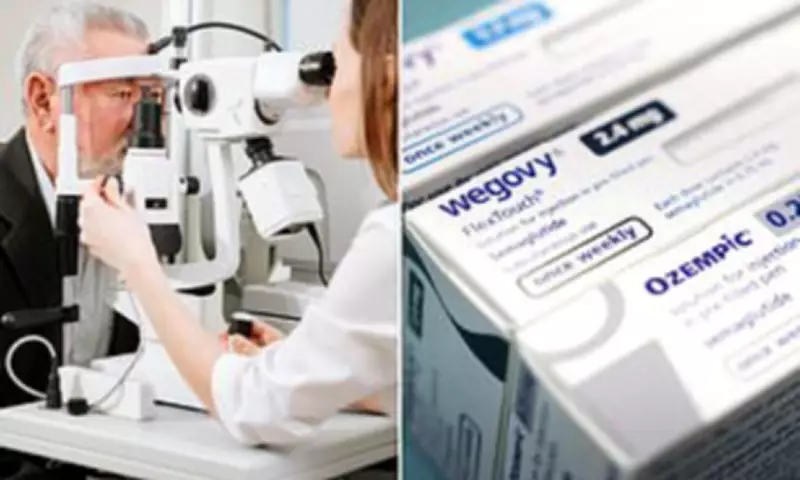
A concerning new study has uncovered that the risk of permanent sight loss associated with weight loss injections is five times higher for users of Wegovy compared to those taking other GLP-1 medications. Semaglutide, the powerful active ingredient in these blockbuster jabs, has been widely celebrated as a monumental breakthrough in the fight against obesity. However, research published in the British Journal of Ophthalmology indicates that semaglutide in any formulation may significantly increase the risk of ischemic optic neuropathy (ION), a serious eye condition.
Wegovy Carries Highest Risk Among Weight Loss Drugs
Wegovy, manufactured by Novo Nordisk, was found to carry the highest risk of ION, with men facing a three times greater risk than women. The condition, often referred to as an 'eye stroke', occurs when blood flow to the optic nerve becomes restricted, depriving it of oxygen and leading to sudden, typically permanent vision loss. This discovery challenges previous disagreements among experts regarding the prevalence of this issue among weight loss drug users, as manufacturers had previously stated that blindness was not a known adverse reaction.
Study Methodology and Key Findings
To investigate whether specific weight loss medications are linked to this risk, Canadian researchers analysed reports of harmful side effects submitted to the US Food and Drug Administration (FDA) between December 2017 and 2024. They examined eye-stroke cases associated with various formulations, including up to 2mg of Ozempic for type 2 diabetes, 2.4mg of Wegovy for obesity, and the daily oral pill Rybelsus for type 2 diabetes, all of which contain semaglutide. Additionally, they reviewed reports related to tirzepatide, sold as Mounjaro for type 2 diabetes.

Out of 30,668,520 reports analysed, over 31,000 involved semaglutide, with users averaging 56 years old and predominantly female. Despite Ozempic generating approximately seven times more reports of harmful side effects than Wegovy due to its earlier approval, ION was 75 times more likely to be reported by individuals taking Wegovy. Notably, no link was found between Rybelsus and sudden vision loss.
Potential Mechanisms and Regulatory Responses
The researchers proposed several explanations for these findings, suggesting that higher doses of Wegovy might reduce blood flow to the optic nerve by lowering blood pressure. In contrast, Rybelsus is absorbed more slowly, minimising the risk of such sudden drops. They concluded that these results add to a growing body of literature reporting ocular complications with anti-obesity medications, warranting further scrutiny and urgent clarification for ophthalmologists.
This is particularly critical given the increasing use of weight loss jabs in children, which could elevate their risk of vision problems later in life. In response, the Medicines and Healthcare products Regulatory Agency (MHRA) issued a warning last month, urging users to report any vision changes to medical professionals. The agency stated that patients experiencing sudden vision impairment should seek emergency care immediately, and Wegovy prescriptions will now include a safety warning about blindness risk.
Broader Implications and Industry Response
Since semaglutide was authorised in the UK in 2018, there have been three suspected reports of eye-stroke, despite approximately 10.2 million prescriptions issued over the past five years. ION, which affects around one in 10,000 people, currently has no treatments, and vision often does not improve. Celebrities like Robbie Williams have expressed concerns, while Novo Nordisk faces lawsuits in the US from patients alleging the drug caused vision loss.
In a statement, Novo Nordisk emphasised that patient safety is their top priority, and they take adverse event reports seriously. The company collaborates with global regulatory bodies to monitor product safety and maintains that evidence does not suggest a causal relationship between semaglutide and ION, with a favourable benefit-risk profile. However, they have updated patient leaflets and product information for Wegovy, Ozempic, and Rybelsus to include the risk, highlighting the ongoing need for vigilance in prescribing these medications.