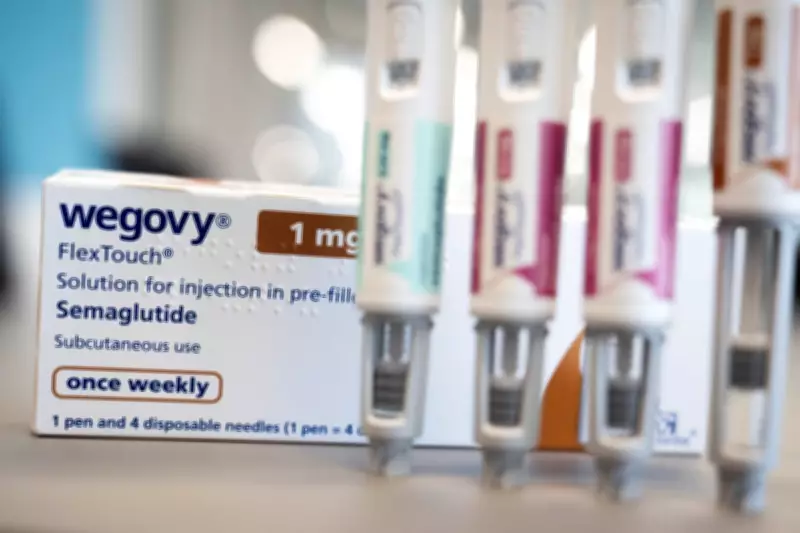
A groundbreaking study has uncovered that weight-loss medications, particularly those containing semaglutide, can significantly enhance liver health by directly targeting specific liver cells, even in the absence of substantial weight loss. This discovery challenges long-held assumptions about how these drugs function and could revolutionise treatment approaches for metabolic dysfunction-associated steatohepatitis (MASH), a severe form of fatty liver disease affecting approximately 3 million individuals in the United Kingdom.
Direct Impact on Liver Cells
Researchers from Toronto's Sinai Health have demonstrated that semaglutide, the active component in popular weight-loss and type 2 diabetes drugs such as Wegovy and Ozempic, interacts directly with liver sinusoidal endothelial cells (LSECs) and immune T cells. Previously, it was believed that liver cells lacked the receptors necessary for semaglutide binding, suggesting no direct pathway for the drug to influence the organ. However, the study, published in the journal Cell Metabolism, reveals that semaglutide alters gene activity in LSECs, prompting them to release anti-inflammatory molecules that reduce liver inflammation and scarring.
Weight Loss Not a Prerequisite
Dr. Maria Gonzalez-Rellan, who led the research using mouse models of MASH and molecular analyses, found that semaglutide reversed MASH symptoms in mice that were genetically modified to lack brain receptors controlling appetite. This indicates that the liver benefits occur independently of weight reduction. In a further experiment, mice without LSEC receptors showed no liver improvement on semaglutide, even after losing 20 percent of their body weight, underscoring the critical role of these specific cells.

Dr. Daniel Drucker, a senior investigator at the Lunenfeld-Tanenbaum Research Institute, emphasised the clinical implications, noting that patients in trials who lost minimal weight experienced similar reductions in liver inflammation, scarring, and enzyme levels as those who lost significant amounts. "We now know that weight shouldn't be the only measure of success, because GLP-1 medicines will improve liver health whether or not the patient loses weight," he stated.
Potential for Revised Prescribing Practices
This insight could lead to changes in how doctors prescribe semaglutide-based medications. Lower doses, which may avoid the side effects associated with higher doses needed for weight loss, could be utilised to target liver health specifically, potentially reducing costs for patients. Dr. Drucker highlighted that while weight loss remains important for overall health, this finding offers an alternative therapeutic focus for individuals with fatty liver disease.
Expert Reactions and Future Implications
Professor Naveed Sattar, an expert in cardiometabolic medicine at the University of Glasgow, acknowledged that while weight loss itself drives many benefits of semaglutide, this discovery represents a "pleasant surprise". He suggested that if confirmed in further studies, these direct effects on liver biology could add another layer of utility to these medications, enhancing their role in treating metabolic conditions beyond obesity and diabetes.
The research opens new avenues for understanding and treating MASH, a condition often linked to excess liver fat that can lead to serious complications. By demonstrating that weight-loss jabs like Ozempic can improve liver health through mechanisms separate from weight reduction, scientists are paving the way for more targeted and effective therapies, offering hope to millions affected by this chronic liver disease.