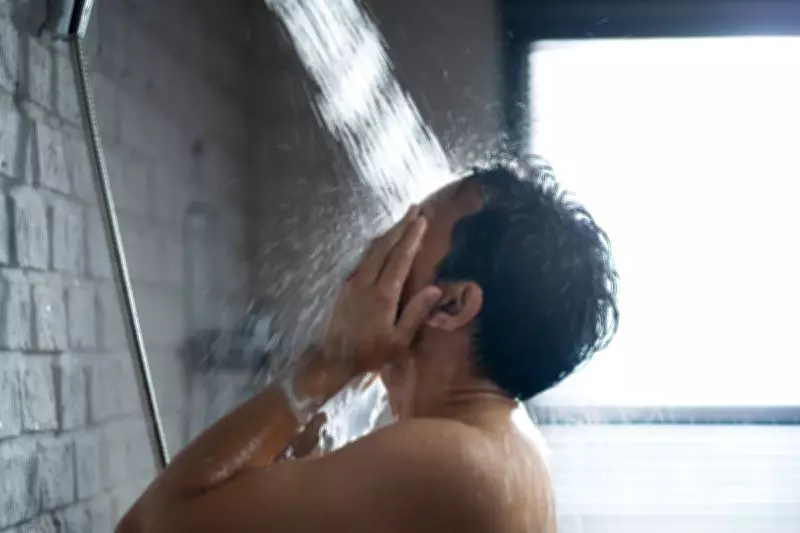
When the weather warms up, many of us reach for a cold shower to cool down. But while this might feel like relief, it may actually prevent the body from cooling off effectively. Understanding how your body regulates temperature reveals why cold water is counterproductive.
How the Body Cools Itself
Our body's optimal temperature is around 37°C, ensuring systems function properly. When core temperature rises, the brain's temperature-regulating centre sends signals to blood vessels and muscles near the skin to activate cooling mechanisms. If the core stays too high (around 39-40°C) for too long, organ damage can occur.
The body uses multiple techniques to cool down. Radiation emits heat via electromagnetic waves, accounting for about 60% of heat loss. Sweating accounts for around 22%, and becomes dominant when air temperature exceeds body temperature. Remaining heat is lost through convection (into air or liquid) and conduction (into solid objects).

Blood vessels near the skin dilate to allow more blood flow, bringing heat to the surface. Hairs lie flat to allow air circulation, aiding heat dissipation.
The Problem with Cold Showers
Diving into cold water after being in the heat feels nice but doesn't reduce core temperature effectively. Cold water causes blood vessels near the skin to constrict, reducing blood flow to the surface. This traps heat around organs instead of releasing it. You trick your body into conserving heat rather than cooling down.
Sudden exposure to cold water (around 15°C) can trigger the cold shock response, rapidly constricting skin blood vessels and increasing blood pressure. This is especially dangerous for people with heart conditions like coronary artery disease, potentially causing irregular heartbeat or even death. While rare in home showers, it's best to avoid ice baths on hot days.
Hot showers are also ineffective. Water warmer than the body transfers heat into the body, potentially raising core temperature.
The Better Alternative
A tepid or lukewarm bath or shower (around 26-27°C) is most effective. This brings blood to the surface to cool without triggering heat conservation.
Cold water also doesn't clean as well. Sweat mixes with sebum and bacteria to cause body odour; cold water is less effective at removing sebum and dirt. It can tighten skin, trapping material in pores and leading to blackheads or acne. Warm or lukewarm water dissolves and loosens pore contents.
As you plan to beat the heat, choose a lukewarm shower. If you prefer cooler water, do it gradually to avoid shocking your temperature regulation system. Turn the temperature down slowly or place limbs in one at a time.
Adam Taylor is a Professor of Anatomy at Lancaster University. This article is republished from The Conversation under a Creative Commons license.