Understanding Age-Related Hair Thinning: Expert Analysis
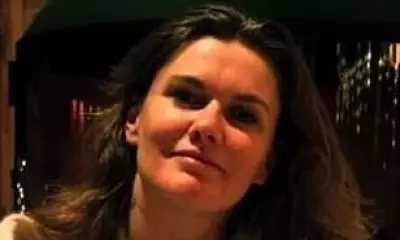
Hair thinning represents an extremely common experience as individuals progress through later stages of life, yet many people overlook the gradual changes until they become significantly noticeable. To address this widespread concern, we consulted Ruth Collis, a consultant trichologist and PRP (platelet-rich plasma) hair loss specialist practicing in West Sussex. She provides comprehensive insights into the prevalent causes behind age-related hair thinning and explores effective strategies to potentially counteract these effects.
Primary Causes of Hair Thinning with Age
Hormonal Changes: "As we age and move beyond puberty, we experience prolonged exposure to hormones. If there exists a sensitivity to these hormones, this can directly cause thinning and miniaturisation of our hair," explains Collis. Many women particularly notice substantial changes to their hair during pivotal hormonal transitions such as menopause. "It varies individually, but it's common for women to observe hair loss and thinning around hormone-driven life stages, including when they begin menstruation, after childbirth, and during perimenopause and menopause," Collis states. "Numerous women find their hair was previously fine, but the hormonal fluctuations during perimenopause or menopause can dramatically accelerate that hair loss."
Changes in Cellular Regeneration: "As we grow older, our cells simply don't replicate with the same efficiency, and our healing capacity diminishes, which inevitably impacts hair quality," Collis notes.

Environmental Factors: "Hair thinning isn't always purely genetic. Daily habits like drinking alcohol and smoking can significantly worsen hair health and contribute to thinning," says Collis. "Over extended periods, the negative effects of these behaviors compound." She further highlights how certain medications, including thyroid treatments, can affect hair. "There's a clear correlation between medication and hair quality. Many medications initially cause shedding when first started, and sometimes this evens out, but some types are well-known for producing less hair and finer hair as side effects."
Nutritional Deficiencies: Specific deficiencies, particularly iron deficiency, can substantially impact hair. "Iron is essential for producing haemoglobin, which transports oxygen to hair follicles. Hair follicles are highly metabolic, requiring considerable energy and oxygen to function properly," Collis explains. "Consequently, a long-standing iron deficiency will manifest in your hair over the longer term."
Early Warning Signs of Hair Thinning
"Many women begin noticing a more visible scalp or a widening parting, while men typically observe receding hairlines, bald patches, or increased visibility of their crown," Collis highlights. "People might also notice their ponytail becoming thinner or slimmer, or find their hair more difficult to style because there simply isn't as much hair as before."
Strategies for Maintaining Healthy Hair with Age
Focus on Fundamentals: "The crucial aspect is getting your basics correct," says Collis. "If your sleep quality is poor and your nutrition inadequate, that will directly impact your hair because hair serves as a barometer for overall health. I always advise my patients to treat themselves like toddlers: Have you consumed enough food today? Have you drunk sufficient water? Have you obtained adequate sleep?"
Prioritise Nutrition: "Consuming a broad spectrum of fruits, vegetables, nuts, seeds, and legumes while ensuring adequate fibre and protein intake is vitally important for hair health," Collis emphasizes.
Cultivate Supportive Relationships: "Chronic stress can profoundly affect our hair health, so spending time with people who make you feel cared for and loved is essential because oxytocin effectively negates stress," Collis recommends.
Increase Outdoor Exposure: "Many people, especially in the UK, suffer from vitamin D deficiency, and vitamin D plays a critical role in hair health. It helps reduce inflammation, kickstarts circadian rhythms, and combats rising cortisol levels from stress," Collis explains.

Maintain Scalp Cleanliness: "To create an optimal environment for hair growth, ensure your scalp remains thoroughly clean," Collis advises.
Protect Your Scalp from Sun Exposure: "If your hair is thinning, protect your scalp during hot weather since it's the highest point on your head and burns easily. Wear a hat or avoid midday sun," Collis suggests.
Seek Professional Guidance: "If you experience drastic changes to your scalp environment or hair, have it professionally investigated," Collis concludes.