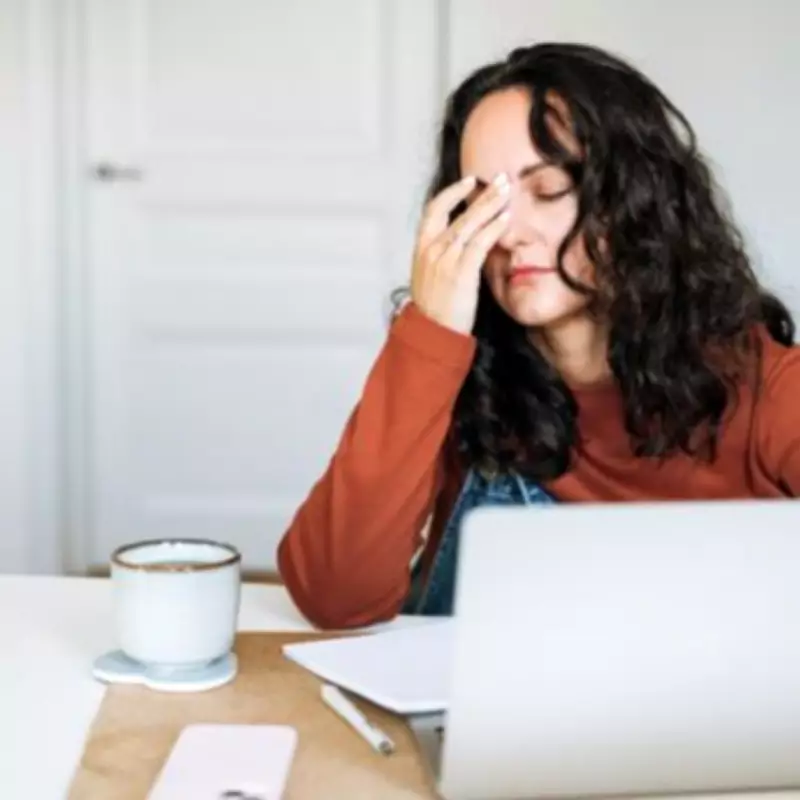
Almost three quarters of women are turning to the internet, friends, family, social media, and artificial intelligence for health advice after having their concerns dismissed by their GPs, according to a new study. The research, based on a survey of 5,000 British adults, found that 53% of women felt their pain had been ignored or dismissed, with this figure rising to 73% among Generation Z.
Women Seeking Alternative Health Support
Following these dismissals, 74% of women sought support elsewhere. This included turning to AI, with 21% admitting they have used tools such as ChatGPT for health information. This trend persists despite a recent British Medical Journal report warning that much of the advice provided by popular chatbots can be inaccurate or incomplete.
According to data published in the fourth edition of Nurofen's Gender Pain Gap Index Report, one in six women (17%) reported waiting more than a year for a diagnosis, compared to just one in ten men (10%). This disparity may explain why women are increasingly likely to seek information from alternative sources.

Personal Stories Highlight the Issue
Charlotte Baker, 28, from Newcastle, spent nearly two decades having her pain dismissed by healthcare professionals. "It took emergency surgery and a stage 4 endometriosis diagnosis for anyone to finally listen," she said. Charlotte began using Pain Pass, a free tool that gives women a way to track and describe their symptoms, helping to support more productive conversations with their doctor.
The verified tool, which has been downloaded and distributed more than 100,000 times, was co-created by healthcare professionals and women living with pain. Charlotte said: "I've spent nearly 20 years being told my pain isn't real – that it's in my head, that it's just a period and that I just had a low pain tolerance. Using Nurofen's Pain Pass helped me put into words what I'd been struggling to describe. I took it to my next appointment and for the first time, I felt like my GP actually understood what I was going through. It completely changed the conversation." She added: "My message to any woman going through this is: believe in yourself, you know your body, and you know yourself."
Gender Discrimination and Systemic Issues
The report highlights that women are twice as likely as men to believe the gender pain gap exists because they are expected to naturally suffer pain (60% vs 30%). Six in ten respondents (61%) identified gender discrimination as a contributing factor to the gap, up from 50% in 2024.
Penny East, CEO of the Fawcett Society, a charity campaigning for gender equality and women's rights, said: "We're seeing a systemic problem at play. Having our pain minimised affects our wellbeing, our worth and our health outcomes. The government's renewed Women's Health Strategy is a welcome step, but policy must be met with action and wider societal change: we need everyone from the NHS to brands to employers to confront this issue and make improvements in the way women are supported. We need much more innovation and education throughout the health system; women are living with the daily consequences of not being heard."
Initiatives to Address the Gap
This year, Nurofen broadened its dedication to community-based support by making Pain Pass accessible to more women across the UK, while training 10,000 Boots pharmacists to better identify and tackle gender pain dismissal. This strategy aligns with the NHS 10-Year Plan's focus on community care, reaching women where they are at a time when unregulated health information is more widespread than ever.
Dr Bill Laughey, senior medical scientist at Reckitt, the company behind health, hygiene and nutrition products, added: "A productive conversation between a patient and their doctor can be the single most important step on the path to diagnosis. If, for whatever reason, the communication breaks down, women face delays in getting the answers they need. By training 10,000 pharmacists and putting Nurofen's Pain Pass into more women's hands, we're investing in those conversations, making sure they happen earlier, in the right places, and lead to the better outcomes women deserve."