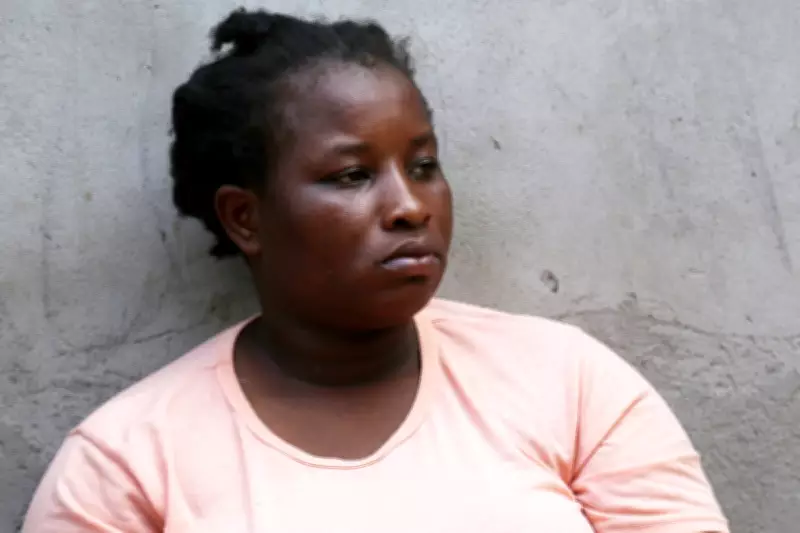
Zambian Woman Imprisoned After Being Denied Legal Abortion Services
Violet Zulu, a 26-year-old house cleaner from Zambia earning just $40 per month, was sentenced to seven years in a maximum-security prison in 2024 after terminating her own pregnancy. Her case underscores systemic failures in healthcare and justice systems that disproportionately affect vulnerable women across Africa.
Desperate Decisions Amidst Financial Hardship
Zulu first sought a legal abortion at a public clinic, where she was entitled to advice or services under Zambian law. However, she was turned away without assistance. She then approached a private pharmacy, which quoted her 800 Zambian kwacha ($43) for abortion drugs—equivalent to her entire monthly salary. As a single mother already struggling to feed her two young sons, sometimes relying on relatives for food, this cost was prohibitive.
Out of sheer desperation, Zulu resorted to drinking a homemade herbal concoction known to terminate pregnancies. "I never wanted to abort my pregnancy, but it is the circumstances at home that forced me to do it," she explained in an interview at her rented two-room home in Lusaka, which lacks running water. "I was scared when I took the concoction, but I didn’t really care what would happen to me."

Legal System Failures and Imprisonment
After delivering the fetus in a toilet, disposing of it in a nearby stream, and confiding in a friend, Zulu was reported to police by neighbors. Despite having only an eighth-grade education and little understanding of legal proceedings, she was never offered free legal counsel. Representing herself in court, she pleaded guilty to procuring her own abortion, believing she would receive only a warning.
Rosemary Kirui, a legal adviser for the Center for Reproductive Rights, which campaigned for Zulu's release, stated, "This is a system that failed Violet. It is not that she did not try. It is that she could not afford the services, yet she should be able to access them as a citizen of Zambia." Zulu spent nearly two years in prison without seeing her children or family before international rights groups helped file an appeal, leading to her release last month.
Broader Context of Abortion Access in Africa
Zulu's case highlights the stark reality of abortion access in Africa, where legal frameworks often clash with cultural and religious beliefs. Sharon Williams, country director for Women and Law in Southern Africa, noted that Zulu should have been eligible for a free abortion under provisions considering risks to her existing children's well-being. However, stigma and lack of public information prevented her from knowing this.
Zambia's constitution defines the nation as strongly Christian, creating tension with its legalized abortion policies. Williams emphasized, "I think now that we have this judgment, we’re ready for the conversation" about better community education on abortion rights.
Across the continent, unsafe abortions remain prevalent. The World Health Organization reports that approximately 75% of abortions in Africa are unsafe, with the Guttmacher Institute estimating over 6 million unsafe abortions annually in sub-Saharan Africa. Even in South Africa, which has progressive laws, studies show only 7% of public health facilities offer abortion services, and cases like a 14-year-old denied an abortion in 2023 reveal ongoing barriers.
Personal and Societal Repercussions
Zulu's story has drawn little sympathy in Zambia, where abortion is often viewed harshly. Her own mother agreed with the prison sentence, though she believed it should have been shorter. Now free, Zulu expressed remorse but focuses on providing for her sons and seeking employment. Her experience serves as a poignant reminder of the urgent need for systemic change to protect women's reproductive rights and ensure legal access to healthcare services.