Air Fryer vs Hob: The Ultimate Boiled Egg Showdown
In a quest to determine the most efficient and effective method for preparing boiled eggs, I conducted a thorough comparison between the traditional hob technique and the increasingly popular air fryer approach. The results revealed a definitive winner that outperformed expectations in multiple categories.
The Traditional Hob Method
Beginning with the conventional approach that has been used for generations, I filled a kettle with water and waited for it to reach boiling point. Once achieved, I transferred the hot water to a saucepan placed over medium heat on the hob. After several minutes of waiting for the water to reach a proper rolling boil, I carefully lowered a room-temperature egg into the bubbling liquid.
Setting my timer for six and a half minutes to achieve that perfect jammy yolk consistency, I monitored the process closely. One common issue with hob-cooked eggs is the tendency for shells to crack during cooking, resulting in messy, watery eggs. Fortunately, during this test, the egg emerged intact when removed from the water with a slotted spoon.

The Modern Air Fryer Technique
Moving to the unconventional method popularized on social media platforms like TikTok, I preheated my air fryer to 140°C for two minutes as recommended by food expert Food With George. Placing an egg directly into the air fryer basket felt unnatural and raised concerns about potential explosions or mess.
Despite initial apprehension, I proceeded with the nine-minute cooking time suggested for achieving the desired consistency. For those concerned about potential disasters, using an air fryer liner provides additional protection, though my test proceeded without incident.
The Critical Comparison Process
After both eggs completed their respective cooking cycles, I immediately plunged them into an ice bath for several minutes. This crucial step halts the cooking process and prevents the eggs from becoming rubbery or overcooked due to residual heat.
The peeling stage proved equally challenging for both methods, requiring careful tapping with a spoon and patient removal of shell fragments. Neither technique offered a significant advantage in this notoriously difficult aspect of boiled egg preparation.
The Surprising Results
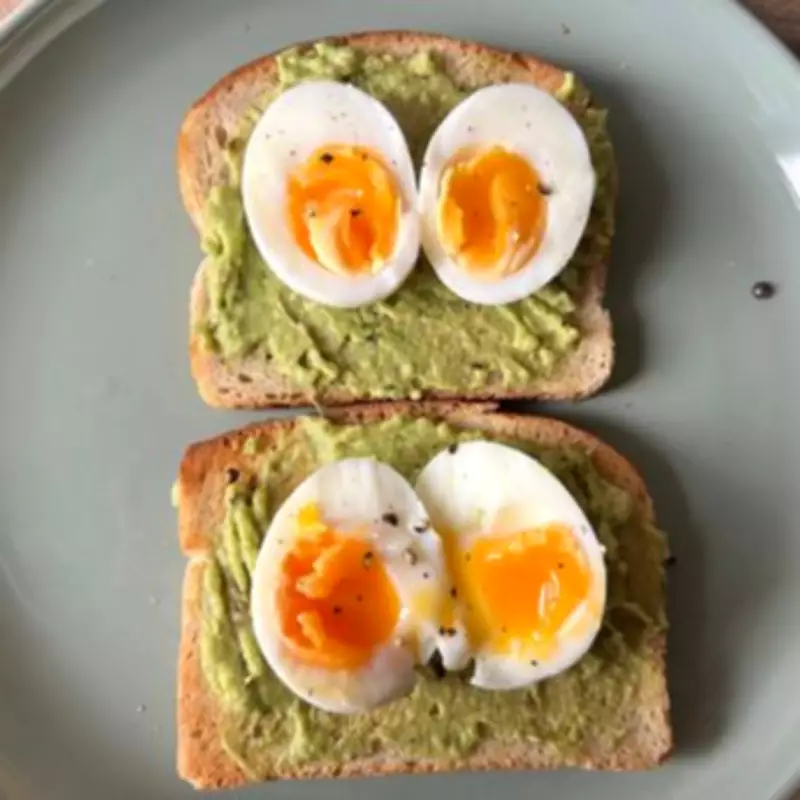
When sliced open for evaluation, the hob-cooked egg displayed a slightly firmer texture than anticipated, despite its shorter cooking time. The air fryer egg, cooked for nearly three minutes longer, revealed a softer, more jam-like consistency that many would consider ideal for topping toast or incorporating into various dishes.
Beyond texture, the air fryer method demonstrated clear advantages in overall preparation time. While the hob method required waiting for water to boil both in the kettle and saucepan, the air fryer's preheating and cooking process proved more streamlined. Additionally, the air fryer approach generated significantly less washing up, with no pots, pans, or utensils requiring cleaning beyond the air fryer basket itself.
The Definitive Verdict
The air fryer method emerged as the clear winner in this comprehensive comparison. Not only did it produce a superior texture with that coveted soft, jammy center, but it also proved faster in overall preparation time and created substantially less kitchen mess.
For those seeking to simplify their cooking routine while achieving consistently excellent results, the air fryer boiled egg technique represents a genuine kitchen breakthrough. The method eliminates the variables associated with traditional boiling, such as inconsistent water temperatures and timing challenges, while delivering reliably perfect eggs with minimal effort and cleanup.