Angela Hartnett's Culinary Wisdom: The Art of Poached Chicken
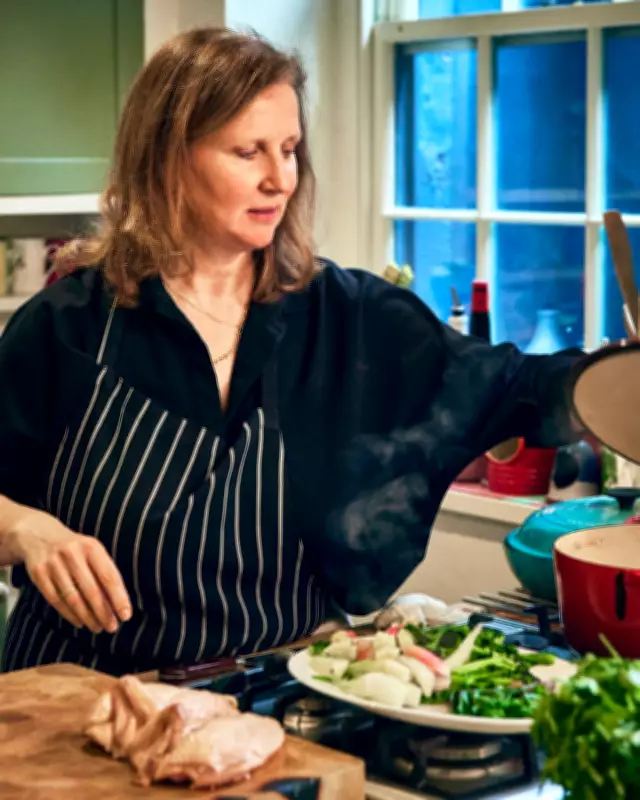
In the serene basement kitchen of her east London home, Angela Hartnett, the celebrated Michelin-starred chef, offers a masterclass in crafting the perfect poached chicken with spring vegetables. At 57, with over four decades of experience since her days in a family fish and chip shop, Hartnett's space exudes a relaxed timelessness, where every utensil is intuitively placed, reflecting her embedded culinary knowledge.
The Paradox of Simplicity in Cooking
Poached chicken might sound straightforward, but it embodies a fundamental paradox of food: the fewer ingredients and less fuss involved, the easier it is to mishandle. Hartnett notes that poorly executed poached chicken can emerge discolored or with wrinkled skin, yet still taste delightful. The challenge lies in achieving elegance, vividness, and harmony on the plate—a hallmark of professional chefs.
Tempo and Technique: The Chef's Rhythm
The first key difference isn't about tools or ingredients; it's tempo. Hartnett emphasizes moving steadily without rushing, a fluid approach that yields evenly shaped vegetables and avoids splashes or mishaps. Contrary to the machismo often associated with Michelin kitchens, she advocates for a calm, non-shouty environment, asserting that aggression doesn't equate to better cooking.

Sourcing and Preparation: Foundations of Flavour
Hartnett stresses the importance of buying a high-quality chicken, as there's no hiding in a poaching process. She recommends jointing the bird with a sharp knife for a snug fit in the pan, preventing an amateurish splayed appearance. Her husband, fellow chef Neil Borthwick, insists on British-grown produce for superior taste, sustainability, and support for local farmers.
Vegetable preparation involves cutting carrots on a slant for a classier look and chopping celery into smaller chunks to manage stringiness. Grelot onions, mild and chic, add sweetness, while thyme can be handled casually. Salting the water generously—akin to Keith Floyd's advice of making it taste like the sea—is crucial for flavour infusion.
Instinct Over Precision: A Chef's Philosophy
Hartnett identifies as an instinctive cook rather than a precision one, avoiding weighing vegetables for stock. This approach has led to humorous blunders, like a Christmas stuffing recipe that called for excessive spinach. She advises home cooks to embrace a relaxed attitude, such as not over-stressing about skimming impurities from the poaching liquid.
Seasonal Adaptability and Presentation
Adapting to seasonal availability, Hartnett swaps peas, broad beans, and asparagus for chard, leeks, carrots, sprouting broccoli, and radishes when necessary. Vegetables should be blanched briefly—around three minutes—to avoid undercooking, then tossed with olive oil, herbs, and lemon. The chicken is arranged artfully atop, with a reduced stock and butter sauce for a timeless Italian elegance, avoiding floury gravies.
Beyond the Kitchen: The Dish Podcast
For four years, Hartnett has co-hosted the Dish podcast with Nick Grimshaw, interviewing celebrities while cooking. Despite minimal food talk, the show captivates listeners with culinary desire, highlighting her belief that passion for food needn't involve constant discussion.
Essential Tool: The Spider
Hartnett's favourite utensil is the spider, a hybrid of a slotted spoon and sieve, ideal for fishing items from pans without capturing small bits like peppercorns. Its design makes it manoeuvrable and aesthetically pleasing in any kitchen.
Recipe Summary: Poached Chicken with Vegetables
This simple recipe serves six, focusing on brilliant flavours from a whole chicken poached in water with carrots, celery, onion, garlic, and thyme. Spring vegetables like asparagus, peas, and broad beans are blanched separately, then combined with the chicken and a reduced stock sauce. Extracted from her book The Weekend Cook, it embodies Hartnett's philosophy of beautiful, ingredient-driven dishes.