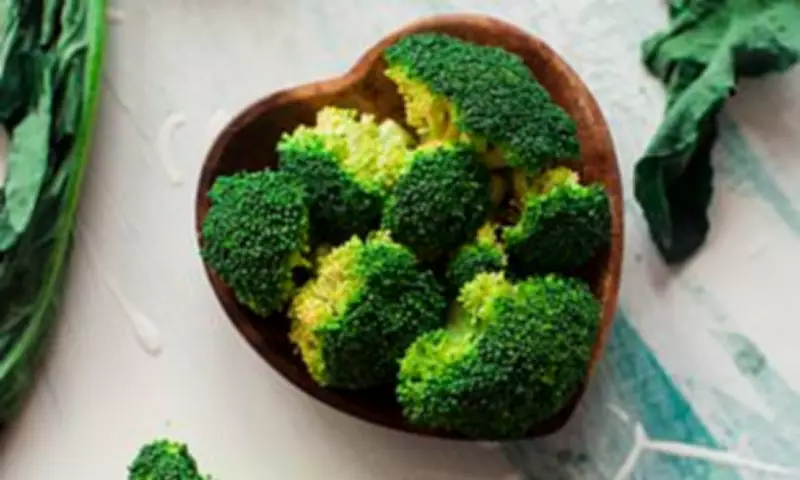
Broccoli: The Divisive Vegetable with a Rich History
Broccoli remains one of the most polarizing vegetables at any dinner table. While nutritionists consistently praise its benefits, children often grimace at its appearance, and many adults consume it primarily because they know it's "good for them." Yet beyond its reputation as a reluctantly accepted side dish, broccoli represents a remarkably interesting plant with a deep culinary heritage spanning millennia.
The Botanical Background of Broccoli
Botanically speaking, broccoli belongs to the brassica family, sharing lineage with cabbage, kale, cauliflower, and Brussels sprouts. Its name originates from the Italian word "broccolo," meaning "the flowering crest of a cabbage"—a fitting description when observing its tightly packed green flower buds perched atop thick, edible stalks. Essentially, when we consume broccoli, we're eating an immature flower structure.
A Journey Through Time: Broccoli's Historical Path
Historical records indicate broccoli was first cultivated in the Mediterranean region over 2,000 years ago, most likely in Italy. Ancient Romans are believed to have consumed early forms of this vegetable, selectively breeding wild cabbage into the more recognizable plant we know today. However, broccoli didn't gain popularity in Britain until the 18th century, where it was initially referred to as "Italian asparagus."

The vegetable arrived in the United States much later, introduced by Italian immigrants during the early 20th century, only becoming mainstream there during the 1920s. Italy's historic connection with broccoli continues to influence its culinary applications, with Italian cuisine showcasing elegant preparations ranging from pasta dishes with garlic, chili, and tender stems to broccoli rabe sautéed in olive oil—creations that might even pass the notoriously difficult Fussy Child Test.
Global Culinary Adaptations
Across China, broccoli—particularly the Chinese variety known as gai lan—is typically stir-fried quickly to preserve its crunch and nutritional value. Throughout India, brassica vegetables appear in spiced sabzis and flavorful curries. In the United Kingdom, broccoli has evolved significantly from its former reputation as mushy, over-boiled Sunday roast accompaniment to becoming a star ingredient in roasting trays, grain bowls, and green smoothies.
Nutritional Expertise: A Dietitian's Perspective
Nichola Ludlam-Raine (BSc hons, PG Dip, MSc), a Registered Dietitian with over 15 years of clinical experience working both for the NHS and privately, champions broccoli and numerous other vegetables. She authored the 2024 book How Not to Eat Ultra-Processed and provides valuable insights into this cruciferous vegetable's nutritional profile.
In 2024, approximately 73,000 tonnes of broccoli were grown within the United Kingdom, reflecting its growing popularity among British consumers.
Broccoli's Nutritional Composition
Fiber Content: "Broccoli serves as an excellent source of fiber," explains Ms. Ludlam-Raine. "A standard 80g portion—roughly equivalent to a handful of florets—provides approximately 2-3g of fiber. It contains both soluble and insoluble fiber varieties, which collectively support gut health, bowel regularity, and blood sugar control."
Fat Content: Unsurprisingly, broccoli contains minimal fat, with barely 1g per 100g serving. This aligns well within NHS daily recommendations of 30g fat for men and 20g for women. "Any significant fat content typically derives from cooking methods, such as roasting with oil," clarifies Ms. Ludlam-Raine.
Carbohydrate Profile: Broccoli scores relatively low in carbohydrates, with most carbohydrate content stored as healthy fiber. "It contains around 4-5g of carbohydrate per 100g, much of which consists of fiber," Nichola elaborates. "Broccoli has a low glycaemic impact, meaning its energy releases relatively slowly into the bloodstream."

Edible Stems and Plant Compounds
When asked about broccoli stems, our expert responds enthusiastically: "Yes, absolutely, and I do personally! Broccoli stems are rich in insoluble fiber, serving as a key ally in supporting digestion and bowel regularity. If you're attempting to improve gut health without resorting to supplements, utilizing the stem represents a simple nutritional win."
She adds: "The stems are both edible and nutritious. They contain fiber and the same beneficial plant compounds found in florets. Peeling the outer layer can make thicker stems more tender for consumption."
Like the florets, broccoli stems contain glucosinolates—plant compounds linked to anti-inflammatory effects and potential anti-cancer properties.
Broccoli Versus Cauliflower: Nutritional Comparison
In a head-to-head comparison between broccoli and cauliflower, both cruciferous vegetables emerge as excellent health choices. "They are very similar," notes Ms. Ludlam-Raine. "Both represent cruciferous vegetables, low in calories and rich in vitamin C and fiber. Broccoli tends to contain more vitamin C, vitamin K, and folate, while cauliflower is slightly lower in fiber content. Nutritionally speaking, both constitute excellent dietary choices."
Broccoli Varieties and Their Characteristics
Several broccoli varieties exist, some familiar to consumers and others less commonly encountered:
- Calabrese Broccoli: The most common type found in UK supermarkets, originating from Calabria, Italy, and widely cultivated since the early 20th century.
- Tenderstem (Broccolini): A hybrid between broccoli and Chinese kale (gai lan), characterized by long, thin stems, smaller florets, and a slightly sweeter taste profile.
- Purple Sprouting Broccoli: A seasonal, flavorful variety producing multiple smaller shoots with an earthier taste, available in purple, green, or white forms.
- Romanesco: Often grouped with broccoli though closer to cauliflower, easily identified by its prominent lime-green fractal spirals resembling edible architecture.
- Chinese Broccoli (Gai Lan): A leafier brassica with thick stems and small florets, commonly used in Cantonese cooking, featuring a more bitter flavor profile ideal for stir-fries.
"Standard broccoli, tenderstem (broccolini), and purple sprouting broccoli all demonstrate nutritional strength," states Ms. Ludlam-Raine. "Purple sprouting varieties may contain slightly more anthocyanins—antioxidant compounds. Overall, differences remain small. The best choice is whichever variety you enjoy and will consume regularly—or mix different types for variety depending on your dish."
Comprehensive Nutrient Profile
Broccoli functions as a nutritional all-rounder, providing essential vitamins while containing compounds that benefit cellular health. Ms. Ludlam-Raine shares the complete nutrient list: "Vitamin C, vitamin K, folate, potassium, and fiber. It also contains glucosinolates and sulforaphane—plant compounds studied for their potential role in supporting cellular health."
Glucosinolates remain fairly inert until the vegetable undergoes chopping, crushing, or chewing. This action releases an enzyme called myrosinase, which converts glucosinolates into biologically active compounds including sulforaphane. Sulforaphane represents one of the most studied plant compounds in nutritional science, with research linking it to antioxidant pathway support—particularly in the liver—and inflammation reduction among other benefits.
Medical Considerations and Dietary Restrictions
Medication Interactions: Due to its vitamin K content, caution is advised for individuals prescribed warfarin. "People taking warfarin need to maintain consistent vitamin K intake, as broccoli is rich in vitamin K which affects blood clotting," explains Ms. Ludlam-Raine. "It doesn't need complete avoidance, but consumption should remain steady."
"Those with thyroid conditions don't need to avoid broccoli unless iodine intake is very low and large quantities are consumed raw—which remains uncommon."
Irritable Bowel Syndrome (IBS): For individuals struggling with gut-related issues, broccoli typically won't pose problems unless consumed in large amounts exceeding 80g at once. "Broccoli contains some FODMAPs, particularly in the stalks, which can trigger bloating or gas in sensitive individuals," says Ms. Ludlam-Raine. "Small portions of florets are generally better tolerated within a low FODMAP dietary approach."
FODMAP stands for fermentable oligosaccharides, disaccharides, monosaccharides, and polyols—types of fiber that can trigger uncomfortable symptoms associated with irritable bowel syndrome. Other foods high in FODMAPs include wheat, beans, pulses, milk, and apples.
Caloric Content and Portion Guidance
"Broccoli is very low in calories, containing roughly 35 kcal per 100g," Nichola informs us. The NHS recommends 2,500 calories daily for men and 2,000 for women, meaning you'd need to consume extreme quantities to approach unhealthy levels. In the UK, a standard vegetable portion measures 80g—approximately two large handfuls of florets—equating to less than 30 kcal per average serving.
Optimal Preparation Methods
Broccoli can be surprisingly easy to overcook, particularly when boiling. Many recall childhood memories of waterlogged, mushy broccoli served at dinner tables. Today's more culinary-savvy generations exercise greater care in food preparation.
"Lightly steaming or microwaving preserves vitamin C and beneficial plant compounds," advises Ms. Ludlam-Raine. "Over-boiling can reduce water-soluble vitamin content. Eating broccoli raw also retains nutrients, though some people digest it better—and therefore absorb more nutrients—when it's cooked."
Supplements Versus Whole Vegetables
While sulforaphane supplements exist, they cannot substitute for consuming actual broccoli. Eating whole broccoli provides your body with a diverse nutrient range that complements itself synergistically.
"Whole broccoli delivers fiber, a spectrum of phytonutrients, and a complex nutrient matrix that supplements cannot fully replicate," states Ms. Ludlam-Raine. "Sulforaphane supplements exist, but they don't replace the comprehensive benefits of consuming the vegetable itself."
Optimal Food Pairings for Enhanced Nutrition
Most people naturally pair broccoli with complementary foods based on traditional meal preparations. Consider healthy fats, proteins, and vitamin C-rich foods that can enhance iron absorption.
"Pairing broccoli with a source of healthy fat—such as olive oil, nuts, or seeds—helps absorb fat-soluble vitamins like vitamin K," explains Ms. Ludlam-Raine. "Combining it with vitamin C-rich foods enhances iron absorption from plant-based meals, though broccoli already contains vitamin C itself. Serving broccoli alongside protein supports satiety and blood sugar balance."