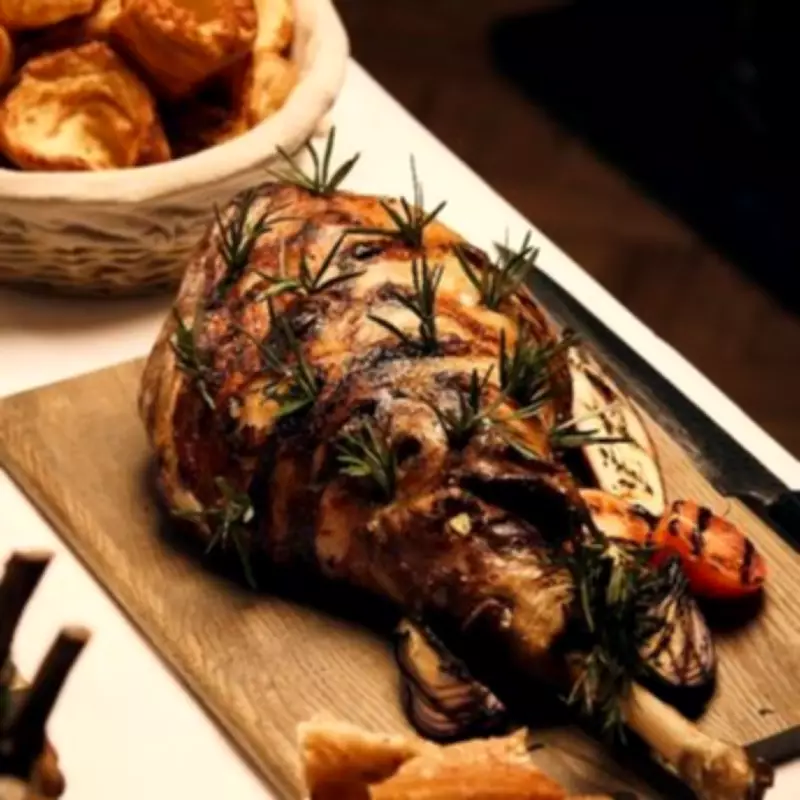
Roast lamb stands as an exceptionally popular centrepiece during the Easter weekend festivities. In fact, data from 2025 indicates that lamb constituted over half, specifically 50.8%, of all red meat roasting joints sold in the fortnight leading up to Easter. To honour this seasonal tradition and the dish itself, Kevin Bonello, the executive head chef at Legacy at The Grand in York and a champion of local produce, has generously shared his expert guidance for achieving the perfect roast lamb.
The Critical Pre-Cooking Selection Tip
Chef Bonello emphasises that the journey to an impressive roast begins long before the oven is preheated. His paramount advice for anyone aiming to delight their guests is to source the lamb from a reputable, high-quality butcher. This foundational step ensures superior meat quality and flavour.
"When available, you should choose lamb that has been hung for approximately ten days, as this process significantly enhances the depth and richness of the flavour in the final dish," Bonello advises.

Furthermore, he recommends selecting specific cuts best suited for the roasting method. "When roasting lamb, I prefer to opt for a leg or shoulder joint rather than loin or belly cuts. This preference is because leg and shoulder cuts are ideally designed for long, slow roasting periods, allowing their full, complex flavours to develop thoroughly. Additionally, roasting the meat on the bone helps keep it exceptionally tender and juicy throughout the cooking process."
Leg of Yorkshire Lamb with Red Currant Glaze: A Detailed Recipe
Here is Chef Kevin Bonello's comprehensive recipe for a succulent leg of Yorkshire lamb, designed to serve six people.

Ingredients
- One leg of Yorkshire lamb, approximately 2kg in weight
- Four sprigs of fresh rosemary, finely chopped
- Three tablespoons of red currant jelly
- Two teaspoons of mustard powder
- 50ml of vegetable oil
- One tablespoon of whole grain mustard
- A pinch of Ras el Hanout spice blend
- A pinch of freshly ground cumin
- 100g of roughly chopped mirepoix (a mixture of carrot, onion, garlic, and celery)
- One sprig of fresh thyme
- One bay leaf
- 50ml of sherry vinegar
- 200ml of red wine
- 800ml of beef stock
- 100g of mint sauce
- Salt and freshly ground black pepper, to taste
Method
- Begin by scoring the surface of the lamb leg, creating shallow incisions spaced about 2cm apart. Rub the leg thoroughly with the vegetable oil, Ras el Hanout, cumin, salt, and pepper. Allow it to marinate at room temperature for 30 minutes.
- Heat a large skillet or roasting pan over a medium-high heat. Seal the marinated lamb leg on all sides until nicely browned. Then, rub the seared leg with the whole grain mustard and set it aside temporarily.
- In the same skillet, add the chopped mirepoix vegetables and roast them until they become golden brown and fragrant. Deglaze the pan with the sherry vinegar and red wine, scraping up any browned bits, and reduce the liquid by half.
- Pour in the beef stock, then place the sealed lamb leg back into the skillet. Add the sprig of thyme and the bay leaf. Cover the skillet with a lid and transfer it to a preheated oven at 160°C (approximately 320°F). Roast for three hours, basting the lamb with the pan juices every 30 minutes.
- While the lamb is roasting, prepare the glaze by whisking together the chopped rosemary, mustard powder, and red currant jelly until well combined.
- After the initial three-hour cooking time, remove the lamb from the oven. Take off the lid and generously brush the lamb leg with the prepared red currant glaze. Increase the oven temperature to 200°C (approximately 390°F) and return the lamb, uncovered, to the oven. Cook for an additional 30 minutes, or until the glaze is beautifully caramelised and the lamb is perfectly glazed.
- Carefully remove the lamb from the oven. Take it out of the cooking stock and set it aside on a serving platter. Cover it loosely with aluminium foil and allow it to rest for a full 30 minutes. This resting period is crucial for the juices to redistribute, ensuring moist, tender slices.
- While the lamb rests, strain the leftover cooking stock from the skillet into a saucepan. Bring it to a simmer and reduce it slightly to concentrate the flavours. Stir in the mint sauce until fully incorporated. This mint-infused sauce will be served alongside the carved lamb.
- Finally, carve the rested lamb leg and serve it accompanied by the reduced mint sauce, alongside your chosen roast dinner accompaniments.
By following Chef Kevin Bonello's expert selection advice and detailed recipe, home cooks can elevate their Easter roast lamb to a truly memorable and flavourful culinary centrepiece.