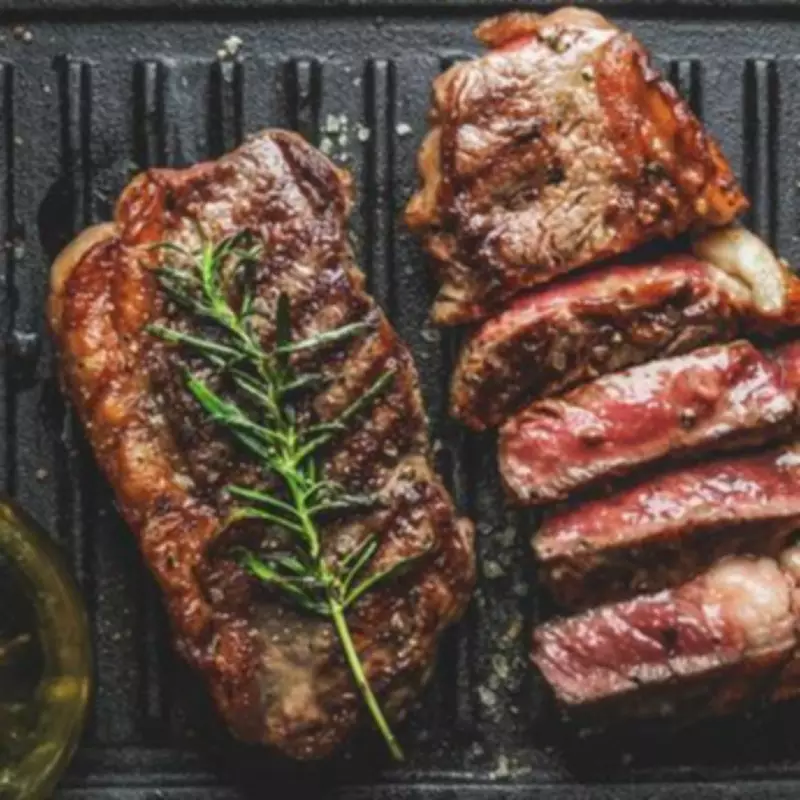
Chef's Essential Rule for Perfect Steak Every Time
Whether you're preparing a classic sirloin or a luxurious wagyu cut, following one simple but essential rule can elevate your steak cooking to professional levels, according to renowned chef and restaurateur Mike Reid. The expert, whose establishments span the UK, Australia, Dubai, Beirut, and Amsterdam, including London's Chop House and Tavern, emphasizes that mastering this technique is key to achieving flawless results.
The Crucial Resting Principle
Chef Reid identifies one of the most common mistakes home cooks make as "overcooking" their steak. He exclusively reveals: "A simple rule: take it off the heat one stage before your desired doneness and let it rest. Resting should equal the cooking time if it's cooked for eight minutes, rest it for eight. That allows the fibres to relax and the juices to redistribute." This process ensures the meat remains tender and flavourful, preventing dryness.
Temperature Guidelines for Different Cuts
Mike Reid strongly advises against cooking steak straight from the refrigerator. "You'll burn the outside before the centre has a chance to warm through," he warns. For smaller steaks like fillet, sirloin, or ribeye (200-250g/7-9oz), allow 20 to 30 minutes at room temperature before cooking. Larger cuts such as thick ribeye, wagyu, or tomahawk (400g+/14oz+) require 45 to 60 minutes to reach optimal temperature.

Cooking Durations and Doneness Levels
Cooking times vary based on personal preference. For rare steak, sear rapidly over high heat and rest for three to five minutes. Medium rare requires an additional minute or two per side with a five-minute rest. For medium doneness, sear properly then finish over gentler heat, resting for five to six minutes to let juices settle. Chunkier cuts may need slightly extended cooking and resting periods.
Specific Recommendations for Different Cuts
Sirloin: "Let your pan properly hot, season generously with sea salt, and don't keep turning it. Let it develop a crust," advises Reid. He recommends pairing with classic steakhouse flavours like peppercorn sauce, mushroom sauce, or red wine jus, or simply with rocket and shaved parmesan for a lighter option.
Fillet: This lean cut requires careful handling. "Don't overcook it and don't cook it straight from the fridge," he explains. Ideal accompaniments include béarnaise sauce, Bordelaise sauce, bone marrow on toast, truffle, wild mushrooms, or silky potato purée.
Ribeye: "Don't be afraid of the fat - that's where the magic is," says Reid. Balance its richness with acidity and freshness using chimichurri, salsa verde, or Dijon mustard to cut through the fat beautifully.
Wagyu: Cook to medium at most to preserve marbling and tenderness. "No more than 54°C, that will give you a nice pink; less is better with wagyu," he recommends. Allow it to rest outside the fridge for several hours before cooking to ensure even warmth.
Quality and Accompaniments
Chef Reid maintains that Australian beef is particularly "invaluable" for its taste and quality. "The grading, the marbling, the way it performs service after service; that consistency is invaluable. It allows chefs to focus on creativity, knowing the product will deliver on flavour and texture every time," he adds. During a recent media dinner at Fortnum & Mason, he served steak alongside beef dripping potatoes and oscietra caviar, demonstrating how thoughtful accompaniments can transform the dining experience.
By following these expert guidelines on resting, temperature management, and cut-specific techniques, home cooks can consistently achieve restaurant-quality steak, impressing loved ones with perfectly cooked meat every time.