Energy drinks have long faced criticism for potential links to serious health issues like heart problems, anxiety, and organ damage. Yet, their popularity endures, with over a third of adults consuming them regularly. Among teenagers, usage is even higher, with some surveys indicating nearly 70 percent partake, despite sales bans to under-16s and advertising restrictions implemented in January to protect children.
Can an Energy Drink Ever Be Healthy?
Manufacturers of a new wave of products hitting supermarket shelves assert that yes, it is possible. These brands promote themselves as offering a boost without the drawbacks, highlighting 'all natural' ingredients, reduced sugar, and added 'brain-enhancing' compounds. But how credible are these claims under expert examination?
Rob Hobson, a nutritionist and author of The Low Appetite Cookbook, provides insight. 'Compared with traditional energy drinks, many newer brands are lower in sugar and calories,' he notes. 'However, even these should be considered occasional treats rather than daily staples, as better energy support comes from diet, sleep, and hydration.'

With this perspective, Hobson evaluated the ingredients, caffeine, and sugar content of leading and trending options. Below is his detailed assessment of each product.
Best for Gym-Goers Chasing a Strong Caffeine Hit
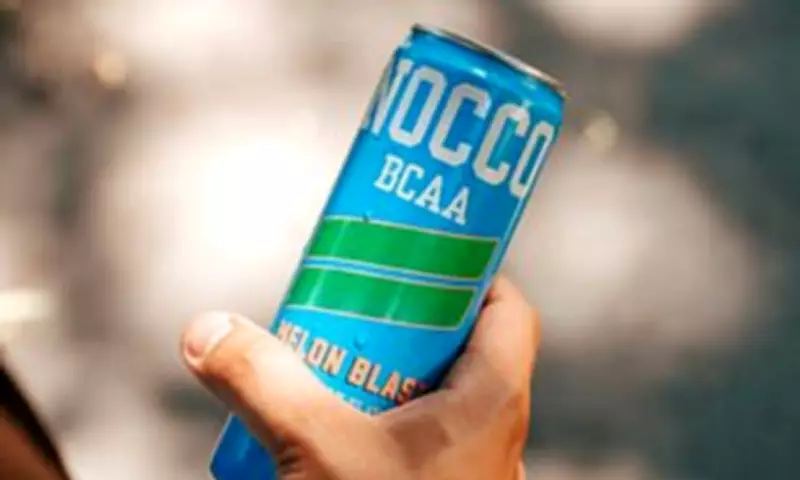
NOCCO BCAA Melon Blast
Nutritional information (per 330ml can): Caffeine: 180mg, Calories: 15 kcal, Sugar: 0g.
Brand claims: Marketed as a sugar-free energy drink for active lifestyles, containing caffeine, B vitamins, and branched-chain amino acids (BCAAs) to support energy metabolism and performance.
Rob Hobson says: BCAAs are amino acids involved in muscle metabolism, but most people get enough from foods like meat or dairy. Since muscle repair requires all essential amino acids, not just BCAAs, this drink may offer limited benefit for those with adequate protein intake. The caffeine content is relatively high.
Health rating: 3/10
Best for Maximum Caffeine Hit
Celsius Energy Drink – Sparkling Kiwi Guava
Nutritional information (per 355ml can): Caffeine: 200mg, Calories: 10 kcal, Sugar: 0g.
Brand claims: A zero-sugar energy drink with natural caffeine from green tea and guarana, plus vitamins to support energy metabolism and reduce fatigue.
Rob Hobson says: With about 200mg of caffeine per can, equivalent to two strong coffees, this offers a significant alertness boost but nears half the UK's daily caffeine limit for adults. It is sugar-free and fortified with B vitamins, though caffeine likely drives the energising effect.
Health rating: 4/10
Best for Fans of 'Natural' Energy Drink Branding
TENZING Raspberry & Yuzu
Nutritional information (per 330ml can): Caffeine: 106mg, Calories: 63 kcal, Sugar: 14.9g.
Brand claims: A plant-based energy drink with natural ingredients, including caffeine from green coffee and green tea, Vitamin C from acerola, and electrolytes from Himalayan rock salt, marketed as a vegan, additive-free alternative.
Rob Hobson says: While positioned as natural, caffeine works the same regardless of source. At 106mg, it's moderate, similar to a strong coffee. The nearly 15g of sugar adds calories, and electrolyte amounts are likely minimal nutritionally.
Health rating: 4.5/10
Best for a Protein-Energy Hybrid
Zelus Lemon, Lime & Mint
Nutritional information (per 330ml can): Caffeine: 105mg, Calories: 120 kcal, Sugar: 14g.
Brand claims: A functional beverage combining caffeine with collagen protein and electrolytes, with B vitamins to support metabolism and protein for recovery.
Rob Hobson says: Unique for containing around 17g of collagen, but it's not a complete protein for muscle repair due to missing essential amino acids. It includes magnesium and potassium as electrolytes, though sodium is key for sweat loss.
Health rating: 5/10
Best Fruit-Based Energy Drink
Brite Natural Energy Pineapple & Mango
Nutritional information (per 250ml can): Caffeine: 80mg, Calories: 60 kcal, Sugar: 13.5g.

Brand claims: A natural energy and focus booster made with fruit juice and caffeine from green coffee beans, plus green tea, matcha, and guarana to support concentration.
Rob Hobson says: High fruit juice content provides natural sugars, but at 13.5g per can, it's between fruit juice and soft drinks in sugar levels. Even from fruit juice, it counts as free sugar due to removed fibre.
Health rating: 5/10
Best for a Classic Energy Drink Hit
Carabao Energy Drink Original
Nutritional information (per 330ml can): Caffeine: 105mg, Calories: 40 kcal, Sugar: 9.2g.
Brand claims: A traditional energy drink with caffeine, taurine, and B vitamins to support normal energy-yielding metabolism.
Rob Hobson says: Follows the classic formula with moderate caffeine similar to strong coffee. Taurine's effects in drinks are debated, and sweeteners keep calories low while maintaining sweetness.
Health rating: 5.5/10
Best for Fans of New-Wave 'Nootropic' Drinks
Soba Circus
Nutritional information (per 330ml bottle): Caffeine: 70mg, Calories: 60 kcal, Sugar: 12.9g.
Brand claims: A sparkling 'nootropic' drink with botanical extracts, fruit juice, and natural caffeine, designed for mental focus and energy, containing ginseng, rhodiola, and ginkgo without artificial ingredients.
Rob Hobson says: Nootropic is a buzzword for cognitive enhancers, but research often uses higher doses than found here. Moderate caffeine at 70mg and nearly 13g of sugar from fruit juice, which is free sugar.
Health rating: 6/10
Best for a Gentler Caffeine Lift
Purdey's Natural Energy Apple & Grape
Nutritional information (per 250ml can): Caffeine: 25 to 30mg, Calories: 50 kcal, Sugar: 10.5g.
Brand claims: A natural energy drink with fruit juices, botanical extracts, and vitamins to support energy metabolism and reduce fatigue.
Rob Hobson says: Largely fruit juice-based, explaining natural sugars and calories. Low caffeine at 25-30mg provides a milder stimulant effect than most energy drinks.
Health rating: 6.5/10
Best for a Tea-Style Alternative
Brio Maté Organic Energy Drink Original
Nutritional information (per 250ml can): Caffeine: 80mg, Calories: 35 kcal, Sugar: 8.8g.
Brand claims: Natural caffeine from organic yerba maté and black tea, marketed as a low-calorie organic energy drink with sustained energy and no crash.
Rob Hobson says: Closer to sparkling iced tea, based on yerba maté and black tea with 80mg caffeine. Caffeine is caffeine, but it's low in sugar and calories.
Health rating: 7/10
Best for People Sensitive to Caffeine
Mission Natural Energy – Lemon & Ginseng
Nutritional information (per 250ml can): Caffeine: 20mg, Calories: 12, Sugar: 0g.
Brand claims: A light, sugar-free energy drink for sustained energy, combining vitamins, green tea, and ginseng to support concentration and reduce fatigue.
Rob Hobson says: Much lighter stimulation with only 20mg caffeine, akin to a weak cup of tea.
Health rating: 7/10
Best for a Calmer Caffeine Boost
PerfectTed Health Energy Pear & Ginger
Nutritional information (per 250ml can): Caffeine: 80mg, Calories: 30 kcal, Sugar: 6.8g.
Brand claims: Uses ceremonial-grade matcha for natural caffeine with L-theanine to promote calm and focus.
Rob Hobson says: Matcha contains caffeine and L-theanine, which may reduce jitters and foster calmer alertness.
Health rating: 7.5/10
Best for a Low-Calorie Caffeine Boost
Virtue Clean Energy – Yerba Mate
Nutritional information (per 250ml can): Caffeine: 80mg, Calories: 5 kcal, Sugar: 0g.
Brand claims: A 'clean energy' beverage with natural caffeine from yerba mate, no sugar or sweeteners, promoted as a low-calorie, plant-based alternative.
Rob Hobson says: Yerba mate provides caffeine and polyphenols, but the stimulant effect primarily comes from caffeine.
Health rating: 8/10
Best for Low-Calorie Energy Drink
Vilgain Energy & Focus - Lemon & Lime
Nutritional information (per 330ml can): Caffeine: 106mg, Calories: 5 kcal, Sugar: 0g.
Brand claims: A simple natural energy drink with eight ingredients, caffeine and green tea extract for alertness, and magnesium to reduce fatigue.
Rob Hobson says: Short ingredient list, no sugar, and moderate caffeine avoid extreme levels seen in some drinks.
Health rating: 8.5/10
Best for the Most Balanced Option
Huel Cherry & Raspberry Daily A–Z Vitamins + Natural Energy
Nutritional information (per 330ml can): Caffeine: 65mg, Calories: 10 kcal, Sugar: 0g.
Brand claims: Provides daily A to Z vitamins and minerals with natural caffeine for energy, designed to support overall nutrition and reduce fatigue.
Rob Hobson says: Stands out with a broad vitamin and mineral blend, very low calories, and no sugar, appealing for sugar reduction.
Health rating: 9/10
Comparison to Monster Energy Original Green
Often cited as a negative example, Monster Energy Original Green contains: Nutritional information (per 500ml can): Caffeine: 160mg, Calories: 235 kcal, Sugar: 55g.
Brand claims: A carbonated beverage with caffeine, taurine, ginseng, L-carnitine, and B vitamins for energy boost and metabolism support.
Rob Hobson says: Traditional formula with high sugar—nearly double the UK daily limit for free sugars—and caffeine similar to strong coffee. Ingredients like taurine may have limited evidence for enhancement at typical amounts.
Health rating: 2/10
In summary, while new energy drinks offer improvements in sugar and calorie content, experts caution that they should not replace healthier lifestyle habits for sustained energy.