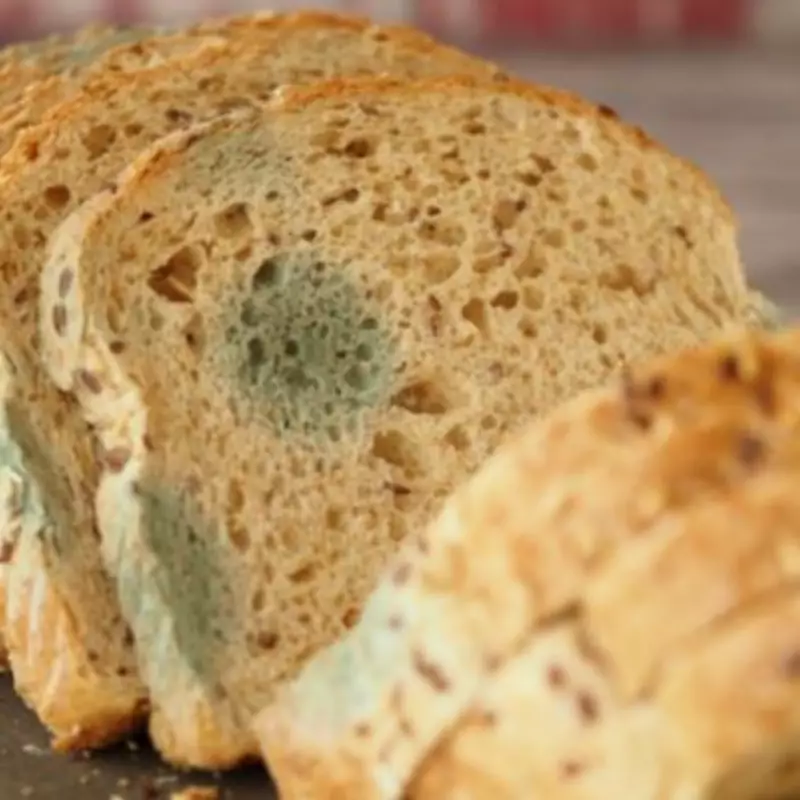
The Hidden Dangers of Mouldy Bread: Expert Advice You Need to Hear
We have all faced that familiar kitchen dilemma: you reach for a slice of bread only to discover those unmistakable specks of blue or green mould staring back at you. The immediate question arises: should you discard the entire loaf, remove just the affected slice, or simply pick off the visible mould and proceed? This common scenario has prompted many to take risks with their food safety, but according to leading experts, the consequences could be more serious than you might imagine.
Why You Should Never Just Cut Off the Mould
Beth Winters, Technical Manager at food innovation hub The Food WorksSW, delivers a stark warning: "What many people do not realise is that mould does not just grow where you can see the fuzzy green or white patches. Those spots are actually just the reproductive part of the fungus, releasing spores. Under the surface, microscopic threadlike structures, called hyphae, can spread much deeper into the bread than is visible to the naked eye."
She emphasises that simply cutting away the mouldy section will not eliminate what has already infiltrated deeper within the loaf. This invisible contamination means that even bread that appears clean could harbour harmful fungal elements.

The Professional Kitchen Perspective
Saifur Rahman, Head Chef at Tower Tandoori, strongly agrees with this assessment, stating that mouldy bread needs to be discarded immediately. He provides crucial clarification on why removing the affected part is insufficient: "When you slice, the knife can drag contamination through clean areas and just compound the problem. Unlike a hard cheese or salami, there is no safe margin you can carve away to make it acceptable."
Rahman further warns about the potential dangers: "Some species of mould can produce mycotoxins and there is no reliable way at home to judge what you are dealing with. Even handling or sniffing a mouldy slice can release spores that irritate your airways, so avoid the temptation to check by smell. It is a low-value, high-risk gamble, and replacement is the safest option."
Cross-Contamination Concerns in Your Kitchen
Even after disposing of mouldy bread, thorough cleaning is essential to prevent further issues. Ryan Allen, author of Slow Cooker Meals, highlights this often-overlooked problem: "Mouldy bread can also cross-contaminate other foods, as spores can fly through the air without our noticing. Fruit, wooden boards and bread bins expose an open loaf to spores, which remain even after the bread is removed."
Allen advises: "Wipe the area clean and wash any other items that are stored in the vicinity. If you keep your bread next to your produce, that is even more of a risk, as floury residue from fruits and vegetables can easily coat the loaves, too."
What Happens If You Accidentally Eat Mouldy Bread?
For those concerned about past consumption, Saifur Rahman offers reassurance while outlining potential symptoms: "Healthy adults who ingest a small amount may not notice anything really - but you might develop some mild nausea or brief diarrhoea. People with asthma or mould allergies can also get mouth or throat itchiness, sneezing, wheezing, or a rash, and inhaling spores whilst inspecting the bread can irritate the airways."
He continues: "In rarer cases, certain moulds can produce toxins that cause more pronounced gastrointestinal symptoms, but you cannot identify that risk reliably at home. If you realise you have eaten some, stop, drink water, and monitor for symptoms over the next day."
Practical Tips to Prevent Bread Mould
To maximise your loaf's lifespan and avoid mould entirely, experts recommend one crucial strategy: freezing. According to Beth Winters, freezing halts mould development, but this must be done before any signs appear. Ryan Allen advises households to freeze their bread immediately upon returning from the shops, rather than waiting until it is nearly past its best.
Allen explains: "It also toasts beautifully from frozen, which dramatically reduces the risk of mould in humid kitchens." For those planning to consume bread within a few days, Saifur Rahman suggests storing it in a cool, dry cupboard or bread bin, preferably still in its original packaging with as much air squeezed out as possible to minimise condensation.

Rahman adds: "Handle loaves with dry hands and use a clean, dry knife, then regularly shake out and wipe the bread bin to remove crumbs that can harbour mould." These simple precautions can help ensure your bread remains fresh and safe for consumption.