New scientific insights have emerged regarding protein consumption, challenging common dietary assumptions and highlighting potential health risks associated with current eating habits. While many individuals focus on increasing their protein intake, experts caution that the source of this protein is critically important for overall health and wellbeing.
Current Protein Consumption Patterns in the United States
Research indicates that the majority of American adults already consume adequate amounts of protein in their daily diets. Statistical analysis reveals that approximately two-thirds of this protein intake originates from various meat products, demonstrating a significant reliance on animal-based sources for meeting nutritional requirements.
This consumption pattern has received recent attention from political figures and government bodies, with some administrations actively promoting increased protein consumption through official dietary guidelines. These guidelines frequently position meat products, particularly red meat varieties, as primary sources for meeting protein needs, potentially influencing public perception and dietary choices.

The Hidden Dangers of Red Meat Consumption
While meat does provide substantial protein content, nutrition experts emphasize that red meat specifically carries concerning health implications. Scientific studies consistently link regular red meat consumption with elevated levels of unhealthy saturated fats in the diet. These fats contribute to increased cardiovascular risks, including higher probabilities of developing heart disease over time.
Furthermore, nutritional analysis reveals that diets heavily dependent on red meat often demonstrate significant deficiencies in other essential nutrients. Many Americans who consume adequate protein from meat sources simultaneously lack sufficient dietary fibre, creating an imbalanced nutritional profile that can negatively impact digestive health and overall wellbeing.
Healthier Alternatives: Plant-Based Protein Sources
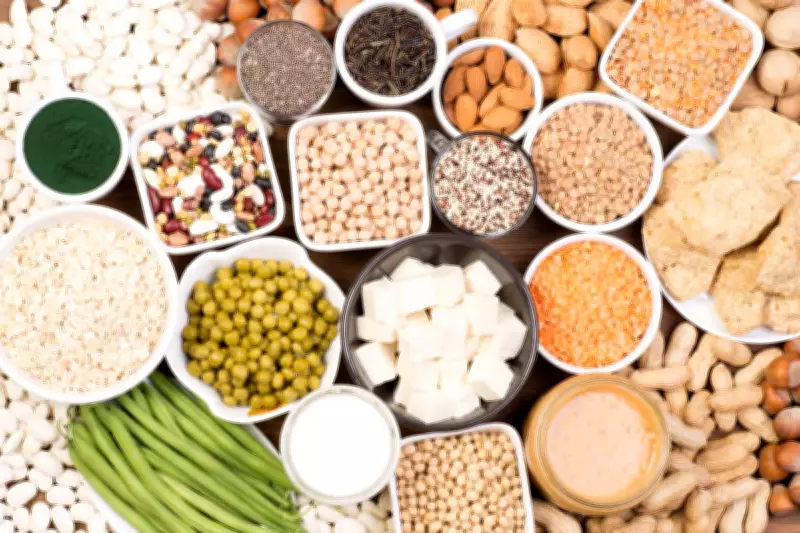
Nutrition scientists point toward plant-based protein alternatives as potentially superior options for achieving balanced nutrition. Foods such as beans, various legumes, and assorted nuts provide substantial protein content while simultaneously delivering essential dietary fibre that supports digestive health.
These plant-based sources offer additional health benefits beyond basic protein provision. They typically contain lower levels of saturated fats compared to red meat while providing a broader spectrum of vitamins, minerals, and antioxidants that support overall health maintenance and disease prevention.
Recommendations for Dietary Adjustment
Experts suggest that individuals concerned about their protein intake should focus less on increasing overall protein consumption and more on diversifying their protein sources. Incorporating more plant-based proteins into regular meal planning can help address common nutritional deficiencies while reducing potential health risks associated with excessive red meat consumption.
Simple dietary adjustments, such as replacing some meat-based meals with plant-based alternatives or incorporating more legumes and nuts into snacks and side dishes, can significantly improve nutritional balance without sacrificing protein intake. These modifications align with emerging nutritional science that emphasizes the importance of protein quality over mere quantity in dietary planning.
The consensus among nutrition professionals remains clear: while most people obtain sufficient protein, many would benefit from reconsidering their protein sources to optimize health outcomes and reduce long-term disease risks.