The latest health trend sweeping social media, known as fibremaxxing, has sparked widespread discussion about fibre consumption. While many people are not meeting their daily fibre needs, experts caution that increasing intake too quickly can lead to issues such as bloating and abdominal pain. This article delves into expert advice on how to safely incorporate more fibre into your diet.
Understanding Fibre and Its Benefits
Fibre is a non-digestible carbohydrate with two primary types: insoluble and soluble. Insoluble fibre, found in whole grains and vegetable skins, acts like a broom to clean the digestive system. Soluble fibre, present in oats and lentils, functions as a sponge, forming a gel in the gut to aid digestion and regularity. Beyond digestion, fibre helps lower cholesterol and stabilise blood sugar levels, making it a crucial component of a healthy diet.
Are You Getting Enough Fibre?
According to dietitian Priya Tew, the recommended daily fibre intake is 25-30 grams, but most individuals only consume about 15-18 grams. This gap highlights the need for gradual increases to avoid negative side effects. Tew warns that overconsumption, especially when done abruptly, can cause bloating, constipation, and abdominal pain. She emphasises the importance of allowing the body time to adjust to higher fibre levels.

Practical Tips for Boosting Fibre
To safely increase fibre intake, Tew suggests incorporating small additions across meals. For breakfast, try sprinkling chia seeds or linseed over porridge and adding fruits like bananas or raspberries. A spoonful of nut butter can also enhance fibre content. At lunch, soups can be enriched with lentils, and whole grain or rye bread makes an excellent accompaniment. Snacks such as carrot and hummus, apples with almond butter, popcorn, and roast chickpeas are fibre-rich options that support daily goals.
Dinner Ideas for High Fibre Meals
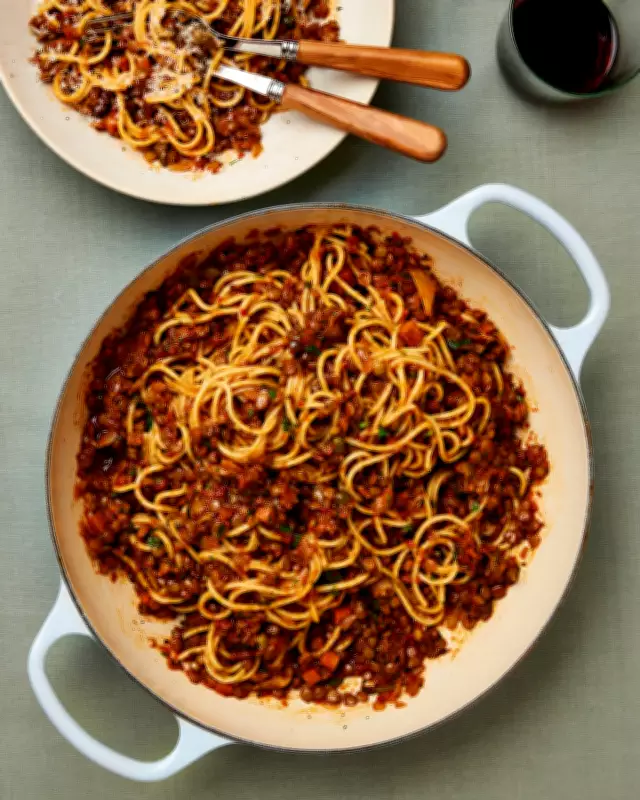
Niall Kirkland, author of The Good Bite Easy, recommends a one-pan creamy bean and lentil dish for dinner. This involves sauteing onion and garlic, adding miso, butter beans, lentils, stock, and blended silken tofu, then simmering until thick. Garnish with soft cheese and chilli oil, and serve with toasted sourdough for a satisfying meal. Tew also advocates for using pulses like lentils in curries and pasta sauces, or kidney beans in chilli, paired with basmati or brown rice for added fibre.
Ultimately, the key to fibremaxxing is moderation and gradual changes. By sneaking in fibre without overdoing it, individuals can enjoy the health benefits without discomfort. For more culinary advice, experts recommend consulting reliable sources and making informed dietary choices.