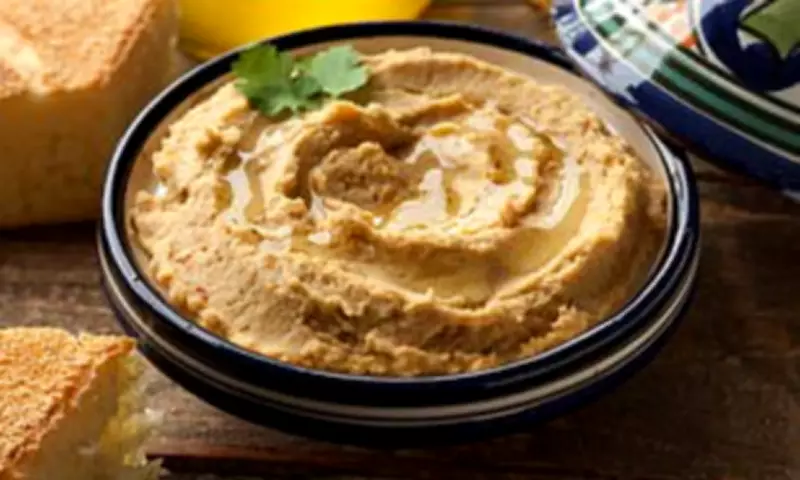
The Ancient Origins and Modern Popularity of Hummus
No one quite knows who invented hummus, with countries from Lebanon to Egypt, Syria to Turkey laying claim to this creamy, nutty dish. References to hummus date back to the 13th century, and over 800 years later, it has become one of the most popular items in Britain's shopping trolleys and fridges. Its ubiquity is so pronounced that its price is even used as a barometer of inflation in economic discussions.
What Makes Hummus So Versatile?
Made from chickpeas, tahini, lemon juice, garlic, and olive oil, hummus is remarkably versatile. It can be used as a dip for carrots and cucumbers, spread on sandwiches and wraps, or dolloped alongside salads and grilled meats. Despite its wholesome reputation, some dieters avoid it due to perceptions of high calories and fat content.
Is Hummus Truly Healthy?
Nutritionist and author Jenna Hope told the Daily Mail, 'Generally speaking, I would say that it is a healthy food. It's a very good source of things like protein, fibre and iron specifically from the tahini.' She added, 'The healthy fats in there helps to keep you fuller for longer, and the fibre is important for gut health which is a big conversation at the moment.'

Nutritional Breakdown of Hummus
At its essence, hummus contains just five main ingredients: chickpeas, garlic, lemon, tahini, and olive oil. A basic 100g serving provides around 170 calories, with 8-10g of fat, 11-14g of carbohydrates, 6g of fibre, and 6-8g of protein. Less than 2g of saturated fats are typically found, fitting within NHS recommendations of 70g per day for women and 95g for men.
Ms Hope explains, 'The fats are healthier fats, more monounsaturated, polyunsaturated fats and generally they're associated with better heart health and can help to support cognitive function as well.'
Key Nutritional Benefits of Each Ingredient
- Chickpeas: Packed with plant proteins.
- Tahini: Rich in antioxidants, linked to reducing illnesses like cancer and Alzheimer's.
- Garlic: Associated with lowering blood pressure and cholesterol.
- Lemon: High in Vitamin C, which maintains healthy skin and enhances iron absorption from tahini.
- Olive oil: A key part of the Mediterranean diet, linked to better heart health.
However, Ms Hope cautions about preservatives and artificial additives in supermarket hummus, advising consumers to choose products with basic ingredients.
Protein and Fat Content in Hummus
Hummus provides 6-9g of protein per 100g, making it a valuable source for vegans and vegetarians. Ms Hope notes, 'It's not a very high protein food but it's a good way to get extra protein into the diet.' Regarding fat, hummus contains around 20% fat per tub, primarily from olive oil and tahini, which are rich in monounsaturated fats beneficial for heart health.
Cholesterol and Digestive Considerations
A recent study linked eating 160g of chickpeas daily to lower cholesterol levels, though it is yet to be peer-reviewed. The British Heart Foundation includes hummus among foods that can help reduce reliance on high-cholesterol products. For IBS sufferers, chickpeas are high FODMAP foods, so small servings of 1-2 tablespoons are recommended, with homemade versions using steamed carrots to reduce FODMAP content.
Gluten-Free and Healthiest Consumption Methods
In its simplest form, hummus is gluten-free, but checking labels is advisable due to potential additives. The healthiest ways to eat hummus include pairing it with fresh fruits and vegetables like carrots, cucumbers, broccoli, and peppers, which enhance iron absorption through Vitamin C.
Top Supermarket Brands and a Simple Recipe
A Daily Mail analysis found Waitrose No.1 Extra Virgin Olive Oil Hummus and M&S Collection Extra Smooth Hummus as the healthiest options, containing no preservatives and using extra virgin olive oil. For those preferring homemade, a simple recipe includes:

- One can of chickpeas (drained and rinsed)
- Two tablespoons of tahini
- Two tablespoons of lemon juice
- One small garlic clove
- Two-to-three tablespoons of olive oil
Blend all ingredients until smooth, adding cold water as needed, and serve with a drizzle of olive oil or paprika for extra flavour.