Breakthrough Cooking Method Creates Healthier French Fries Without Sacrificing Taste
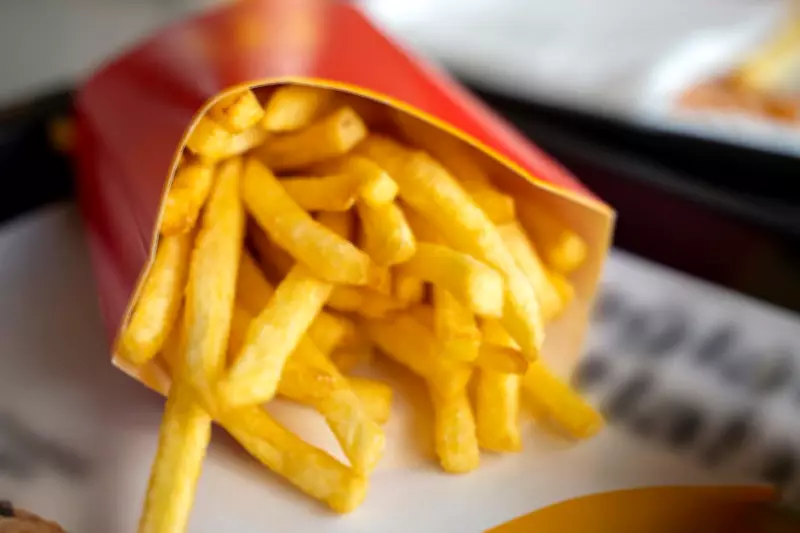
Scientists have achieved a culinary breakthrough by developing a revolutionary method to make french fries significantly healthier while maintaining their beloved crispy texture and delicious flavour. This innovative approach addresses the long-standing health concerns associated with traditional deep-frying techniques that typically result in high fat content from oil absorption.
The Microwave-Frying Hybrid Technique
Researchers at the University of Illinois have pioneered a cooking process that combines conventional frying with microwave technology. According to their findings published in Current Research in Food Science and The Journal of Food Science, this dual-method approach cooks fries using substantially less oil while achieving the perfect golden crispiness consumers expect.
The science behind traditional frying reveals why fries become so fatty:

- During initial frying stages, water within potato pores prevents oil penetration
- As cooking continues, water evaporates and creates pathways for oil absorption
- This process results in fries containing significant amounts of cooking oil
Study author Pawan Singh Takhar explained the consumer dilemma to WIRED: "Consumers want healthy foods, but at the time of purchase, cravings often prevail. The high oil content adds flavour, but it also contains a lot of energy and calories."
How the Combined Cooking Method Works
The researchers discovered that while frying cooks from the outside inward, microwaving operates in the opposite direction, heating food from the inside outward. However, using microwaves alone produces unsatisfactory results.
"If only microwaving is used, the food turns out mushy," Takhar noted, highlighting why traditional frying remains essential for achieving the desired crispy exterior.
The breakthrough came from determining the precise timing for switching between cooking methods:
- Fry potatoes briefly to develop the crispy outer layer
- Transfer partially cooked fries to a custom-built microwave
- Complete cooking using microwave technology to reduce oil absorption
The study proposes: "We combine the two methods in the same device. Traditional heating maintains crispness, while microwave heating reduces oil consumption."
Practical Implications and Future Availability
This scientific advancement acknowledges a fundamental reality about consumer behaviour: despite health concerns, people will continue eating french fries. Rather than relying on willpower alone, researchers have developed a practical solution to make this popular food less harmful.
The resulting fries maintain their familiar taste, texture, and mouthfeel while containing significantly less absorbed oil and fat. This represents a meaningful step toward healthier indulgence foods that don't require sacrificing sensory pleasure.
Unfortunately, the specialized equipment required for this cooking method isn't yet available for home kitchens. Custom-built microwave-fryer combinations remain laboratory equipment rather than consumer appliances, meaning health-conscious fry enthusiasts may need to wait before replicating these results in their own homes.
This research demonstrates how food science can address public health concerns through innovative cooking technologies, potentially paving the way for healthier versions of other traditionally high-fat fried foods in the future.