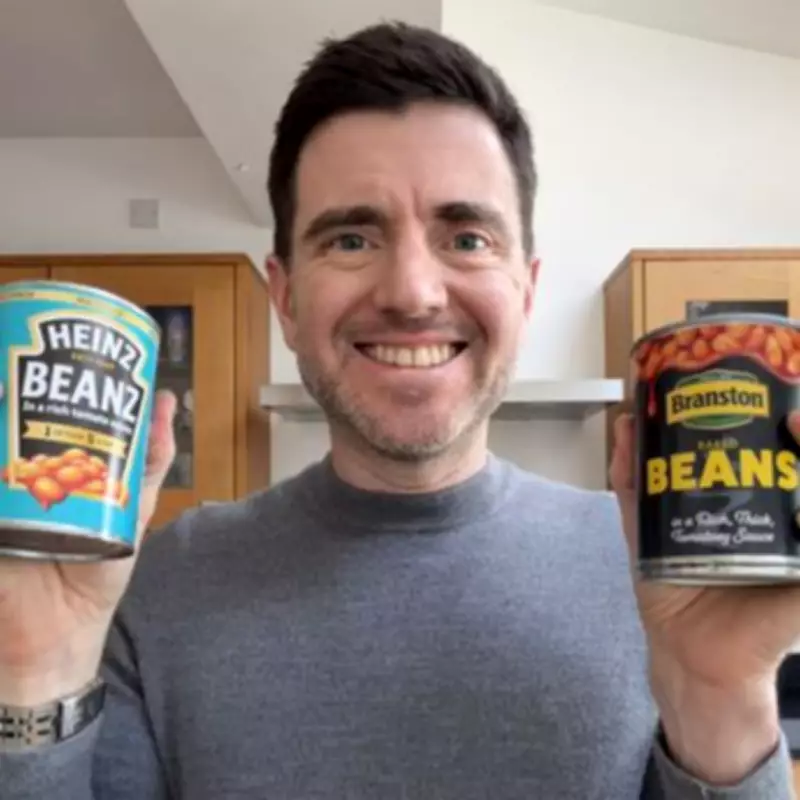
The Great Baked Beans Battle: Heinz Versus Branston
Baked beans represent a fundamental cupboard essential across British households. They offer convenience, affordability, and nutritional value, whether served on toast, with a jacket potato, or as a standalone dish. While Heinz dominates as the most recognisable brand, Branston presents itself as a formidable competitor. This investigation pits these two giants against each other to determine which deserves consumer loyalty.
Price Comparison: A Clear Financial Winner
Price serves as the most straightforward metric for evaluation. During testing, Branston baked beans proved significantly more economical than Heinz. At Asda, a 410g tin of Branston beans cost 85p, equating to £2.07 per kilogram. In contrast, a 415g tin of Heinz beans was priced at £1.38, working out to £3.33 per kilogram. When purchased in multipacks, the Branston four-tin pack retailed for £3 (£1.83/kg), while the Heinz equivalent cost £3.50 (£2.11/kg).
Contents and Visual Appearance Analysis
After draining excess sauce from both tins, the Heinz container appeared less full than the Branston tin, suggesting more beans in the latter. However, the Heinz tin weighed 5g more, complicating this initial observation. Upon transferring contents to saucepans, Heinz beans displayed a greater volume of sauce, raising concerns about bean quantity despite the weight advantage. Branston beans exhibited a slightly redder hue and seemed to contain more beans with less sauce.

Ingredients Scrutiny: Naturalness Versus Processing
Ingredients play a crucial role in determining food quality and naturalness. Both brands share similar components, but with notable distinctions. Branston beans contain 51% haricot beans and 38% tomatoes, while Heinz features slightly lower proportions at 50% and 36% respectively. Branston includes modified maize starch and ambiguous "flavourings," which qualify as ultra-processed elements. Heinz contains modified cornflour alongside "spice extracts" and "herb extracts." Both products primarily consist of water, sugar, vinegar, and salt.
Taste Test Results: Flavour and Texture Assessment
Branston emerged as the taste test winner, though the difference remained subtle given the nature of tinned baked beans. Branston beans delivered a marginally stronger flavour profile, while Heinz beans tasted slightly sweeter. Branston also offered a thicker, more substantial texture, potentially due to Heinz's saucier consistency. The overall eating experience favoured Branston's balanced approach.
The Final Verdict: Which Brand Triumphs?
Considering all factors—price, appearance, ingredients, and taste—Branston stands as the clear victor. While personal preference ultimately dictates choice, Branston's significant cost advantage combined with superior flavour and texture makes it the recommended option for future purchases.
External Validation: What Other Testers Say
Consumer magazine Which? conducted its own evaluation in January, involving 60 baked bean enthusiasts. Aldi and Lidl budget beans tied for first place with 77% approval. Heinz secured second position with 76%, while Branston placed third with 74%. Testers praised Heinz beans for their traditional appearance, enjoyable texture, and appropriate sweetness, though some desired stronger tomato flavour. Branston received compliments for its appealing look, ideal sauce thickness, and satisfactory bean bite, though testers suggested increased sweetness and tomato intensity could elevate its score.
This comprehensive analysis demonstrates that while both brands deliver quality products, Branston offers better value and a more satisfying culinary experience for most consumers.