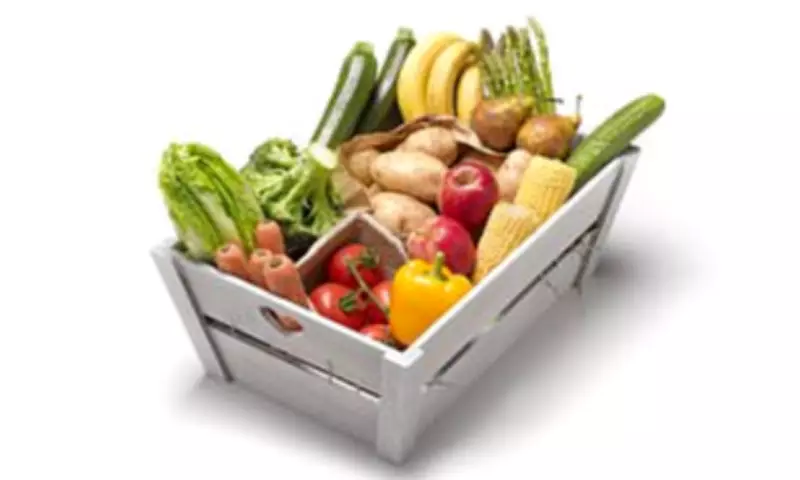
Nutritionist Reveals the Healthiest Fruits and Vegetables for Weight Loss
One of the most fundamental lessons we learn about nutrition is that fruits and vegetables are inherently healthy, while processed snacks like chocolate cake and crisps are not. However, many people hold misconceptions, such as believing carrots are fattening or that eating only apples for a week is an effective weight-loss strategy. These ideas, often rooted in fad diets from the early 2000s, highlight widespread confusion about the true health benefits and waistline impacts of various produce.
This confusion has led to certain fruits, like bananas and mangoes, being unfairly demonised, while others, such as expensive berry tubs, are seen as saintly. To clarify the facts, we consulted Sasha Watkins, a registered dietitian and Head of Health at Mindful Chef, for her expert guidance on the healthiest fruit and vegetable choices.
The Reassuring Truth About All Produce
Watkins emphasises that all fruit and vegetables are good for you. She notes that most people in the UK are not consuming nearly enough, with only about 29% of adults meeting the recommended five-a-day target. Simply increasing your intake of fresh produce is a positive step. However, if weight loss is a specific goal, some options are more effective than others due to their nutritional profiles.

What to Prioritise for Effective Weight Management
The best fruits and vegetables for weight loss are those high in fibre and nutrients relative to their calorie content. Fibre plays a crucial role by slowing digestion, supporting gut health, and promoting feelings of fullness. In the UK, nine out of ten people do not consume enough fibre daily.
- Leafy greens such as spinach, kale, and rocket are low in calories but rich in magnesium and folate, which aid normal energy metabolism.
- Broccoli is an excellent all-rounder, providing fibre, high levels of vitamin C, and sulforaphane, a plant compound gaining interest in research circles.
- Berries like strawberries, raspberries, and blueberries offer fibre and polyphenols, plant compounds linked to various health benefits.
Colour diversity is also important. Different pigments reflect different phytonutrients, so eating a rainbow of produce—such as red peppers alongside green ones or purple cabbage with white—provides a more diverse range of compounds for gut health.
How You Eat Matters as Much as What You Eat
Whole fruits and vegetables have a physical structure known as the food matrix, composed of cell walls, fibre, water, and bound nutrients. This structure requires effort to break down, which benefits weight management in two ways. First, chewing slows the eating process, allowing your body time to register fullness. Second, the intact structure slows the release of natural sugars into the bloodstream, resulting in a steadier energy release.
Blending, as in smoothies, disrupts this matrix. A smoothie made from whole fruit delivers sugars more rapidly, similar to fruit juice, and offers less satiety. Although the fibre remains, its behaviour in the body changes without the cellular structure. Therefore, eating fruit and vegetables whole is preferable whenever possible.
Texture and Flavour Make All the Difference
Enjoyment is key to sustaining healthy eating habits. Texture and flavour can transform produce from a chore into a delight. For example, roasting broccoli with extra virgin olive oil until charred and crispy creates a vastly different experience compared to steaming. Raw carrots provide a satisfying crunch for an afternoon snack, while peas steamed with fresh mint and olive oil are far superior to soggy versions.
Fermented options like kimchi turn cabbage into a savoury, complex dish with beneficial live bacteria. Pairing cucumber with homemade hummus or tzatziki enhances satisfaction. The goal is not to eat more virtuous food but to find preparations that make you genuinely want to consume these items regularly.
Eat the Skins for Added Fibre
One of the simplest ways to boost fibre intake is to stop peeling fruits and vegetables. Skins are where fibre is most concentrated, yet they are often discarded without thought.

- A baked potato eaten with the skin contains roughly twice the fibre of a peeled one.
- Sweet potato skin adds fibre and antioxidants, making baking or roasting whole worthwhile.
- Kiwi skin provides about 50% more fibre than the flesh alone, along with extra folate and vitamin E. Washing it under a tap can reduce fuzziness for easier consumption.
Broadly, consider using citrus zest from oranges or lemons, which is rich in pectin, a soluble fibre. Finely grated into dressings, yoghurt, or baked goods, it adds flavour and nutritional value. Ensure you use unwaxed, organic citrus if consuming the peel.
What to Be More Mindful Of
No fruit or vegetable is off-limits, but some offer less nutritional value relative to their volume. Iceberg lettuce and watery vegetables like cucumber and celery are mostly water, low in fibre and nutrients, and do not stave off hunger for long. They work better as accompaniments rather than main components.
Dried fruit and fruit juice are common pitfalls. Dried mango, raisins, and dates are concentrated in natural sugars and easy to overeat. Raisins, for instance, are about four times more calorie-dense than fresh grapes by weight. Fruit juice removes fibre, delivering sugars rapidly into the bloodstream and leading to quicker hunger returns compared to whole fruit.
The Bottom Line for Sustainable Healthy Eating
Do not stress about eating the wrong fruit or vegetable. Focus on variety, consume them as whole as possible, pair them with protein or healthy fats when you can, and enjoy them in ways that taste good to you. This approach fosters a version of healthy eating that is both effective and lasting, moving beyond myths to practical, enjoyable nutrition.