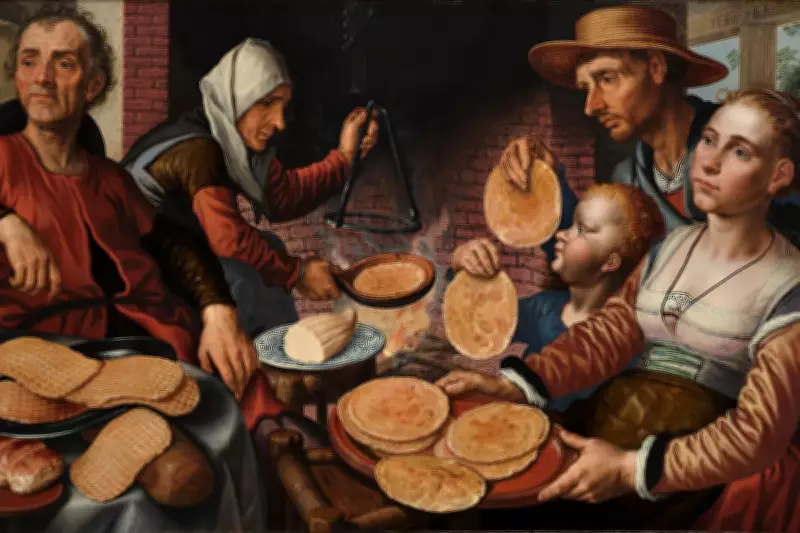
The Rich History of Pancake Day Recipes
As Pancake Day approaches, it's fascinating to delve into the culinary history of this beloved tradition. Recipes from England's earliest published cookbooks reveal that pancakes were originally made very thinly, giving rise to the phrase "flat as a pancake." These early versions utilized abundant wet ingredients that were prohibited during the impending Lenten Fast before Easter.
Shrovetide Origins and Early Ingredients
The association between pancakes and Shrovetide – the days preceding Lent – developed logically. Cooks sought to clear their pantries of tempting ingredients before the fasting period. Eggs, cream, butter, and animal fats were all products from which people were meant to abstain, alongside all other meats. Early pancakes were cooked until crispy and served warm with butter and sprinkled with sugar.
One remarkable aspect of historical recipes is the frequent use of ale, reminiscent of modern beer-battered fish. A recipe from the Elizabethan era combines a pint of thick cream, four or five egg yolks, a handful of flour, and two or three spoonfuls of ale. This mixture was seasoned with "a good handful of sugar, a spoonful of cinnamon, and a touch of ginger."

Gervase Markham's Influential Recipe
English poet and writer Gervase Markham's bestselling household management book, The English Housewife, first published in 1615 and running to at least nine editions, contains what he called "the best pancakes" recipe. This version used two or three beaten eggs mixed with "a pretty quantity of fair running water," seasoned with salt, cloves, mace, cinnamon, and nutmeg, and thickened with "fine Wheate-flower."
Markham specifically recommended water over milk or cream, arguing that dairy "makes them tough, cloying and not crisp, pleasant and savoury as running water." The batter was fried in sweetened butter or pig lard and served sprinkled with sugar.
Pancakes Versus Fritters in Historical Context
During the 16th and 17th centuries, the terms pancake and fritter were often used interchangeably, though fritters typically contained fruit. Diarist Samuel Pepys recorded enjoying "the best fritters that ever I eat in my life" on Shrove Tuesday in 1661 at his cousin's house.
The Gentlewoman's Cabinet Unlocked (1675) provides insight into why these dishes appealed to wealthier households. Its fritter recipe called for nine eggs, half a pint of Spanish wine, a pint of ale, some ale yeast, spices, salt, fine flour, and shredded apples, all fried in beef suet or a mixture of beef and pig suet.
Evolution Through the Centuries
While earlier recipes mentioned toppings like sugar and rose water, the classic combination of lemon juice and sugar didn't appear in print until the 19th century. Elizabeth Hammond's Modern Domestic Cookery (1819) included a pancake recipe calling for eggs, flour, milk, nutmeg, ginger, and salt, fried in hot lard and served with lemon juice and powdered loaf sugar.
Hammond offered an ingenious substitution tip: using "snow" (beaten egg whites) instead of whole eggs during winter "when they are generally very dear," allowing cooks to use the yolks in other dishes.
20th Century Standardization and Commercial Influence
Refined wheat flour, recommended by Markham and other cookbooks, was initially expensive and consumed primarily by affluent families before gradually becoming ubiquitous. In 1923, the flour brand Be-Ro began distributing recipe books to promote sales of relatively novel self-raising flour.
The Be-Ro pancake recipe from their cookbook, which ran to over 40 editions, called for 5 ounces of flour, a quarter teaspoon of salt, one egg, and half a pint of milk. The thin batter was cooked on a "fairly brisk fire" in smoking hot lard and served with sugar or syrup and lemon or orange.
This recipe demonstrates how modern measurements became more precise. The pamphlet concluded with a warning that all recipes were "especially designed for Be-Ro self-raising flour" and that "satisfactory results may not be obtained" with other brands.

The Enduring Legacy of Pancake Traditions
Whether opting for a simple Be-Ro-style pancake or experimenting with boozier historical versions, the key historical insight is that pancakes need not be reserved solely for Shrove Tuesday. Their evolution from Elizabethan ale-infused creations to modern standardized recipes reflects broader changes in cooking techniques, ingredient availability, and culinary preferences across centuries of British culinary history.