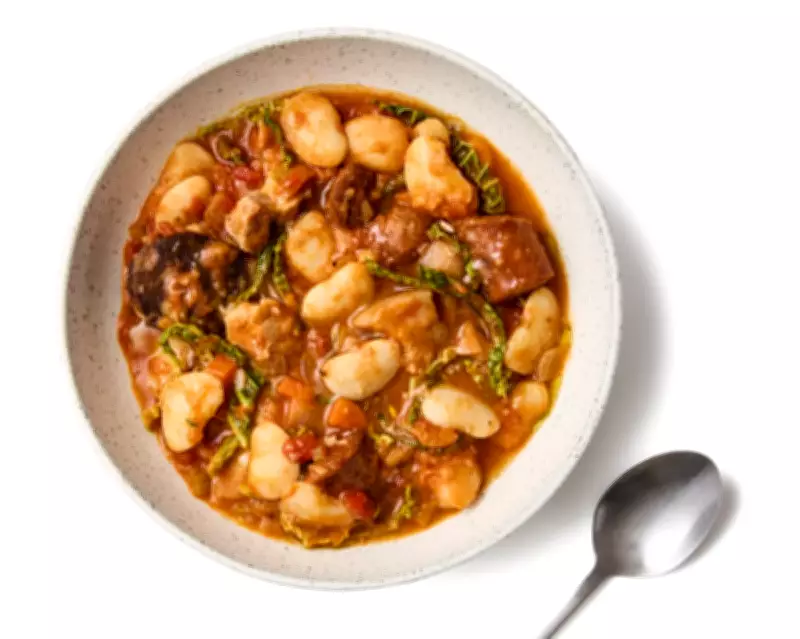
Perfect Portuguese Feijoada: A Hearty Bean and Pork Stew Recipe
Felicity Cloake's perfect Portuguese feijoada is a marvellous staple of the Portuguese kitchen, offering a rich bean stew with pork and sausages that makes an excellent one-pot feast. This robust dish is ideal for midweek dinners or special occasions, providing a satisfying and flavourful meal.
The Origins and Appeal of Feijoada
If you are trying to incorporate more beans and pulses into your diet, this robust one-pot feast is a standout choice. Food writer Edite Vieira describes it as "a marvellous standby of the Portuguese kitchen". While each region has its own variations, Vieira explains that "basically, feijoada is a rich bean stew with pork and sausages". The Brazilian version, often cited as that country's national dish, has roots in West African culinary traditions, according to the Oxford Companion to Food. Some suggest it's a South American creation that travelled to Europe with returning colonisers, while others insist it was born in northern Portugal and adapted in Brazil. Like many homely favourites, its precise history remains a mystery, but what matters is its simplicity, adaptability, and deep satisfaction.
Choosing the Right Beans
Unlike in Brazil, where black beans dominate, there's no consensus on the best bean variety for Portuguese feijoada. David Leite, with family from the Azores, uses white beans, while Vieira prefers butter or kidney beans in her book The Taste of Portugal. Leandro Carreira's Portugal: the Cookbook calls for butter beans, and chef Nuno Mendes in Lisboeta likes a combination of butter beans, red kidney beans, and cannellini. Testers often show a strong preference for sweet, earthy kidney beans, but the choice depends on personal taste and freshness. Finding decent dried beans in British supermarkets can be challenging, with issues like cracked or wizened beans after soaking. For best results, source beans from high-turnover local shops or online suppliers. Mixing beans is not recommended due to different cooking rates, which can lead to mushiness unless cooked separately, adding unnecessary effort.

Meat and Aromatics: Building Flavour
Márcia of the Plant Based Portuguese website offers a vegan version using tempeh soaked in soy, garlic, and paprika, plus optional vegan chorizo. However, feijoada traditionally centres on meat, making it less ideal for those avoiding animal products unless deeply invested in Portuguese cuisine. The dish is highly adaptable, allowing for various pig-shaped additions. Chouriço, the Portuguese equivalent of Spanish chorizo, is essential, with a lighter paprika and heavier garlic and wine or vinegar profile. It can be sourced from Portuguese grocers or online, or substituted with sweet chorizo if necessary. Morcela, or Portuguese blood sausage, is common and can be replaced with similar varieties like Spanish morcilla or black pudding. Other meats like pork ribs, trotters, and ears add textural interest but require lengthy cooking and are optional. For optimal flavour, fry chouriço first to render fat, then add it before serving, and handle softer black pudding gently to avoid crumbling.
Vegetables and Seasonings
Aromatics typically include onions and garlic, with carrots and celery added by some for a fresher, lighter touch, though they may not be strictly traditional. Tomatoes, whether puree or fresh, provide savoury depth, with tinned versions recommended unless ripe fruit is available. Paprika adds colour and mild heat, while chilli flakes or Thai chillies can increase spiciness. Olive oil is crucial for richness, especially in meat-free versions. Cabbage, stirred in by some, makes it a one-pot meal, but it can also be served on the side. This dish often tastes better the next day, allowing flavours to meld.
Recipe for Perfect Portuguese Feijoada
Prep: 25 min Soak: 8 hr+ Cook: 2 hr+ Serves: 4-6

- 300g dried beans (e.g., butter, kidney, white)
- 2 medium onions
- 2 cloves
- 2 bay leaves
- 200g pork belly (or pancetta/slab bacon), cut into strips
- Salt
- 200g cured chouriço or chorizo
- 150g morcela or black pudding (optional)
- 2 tbsp olive oil or lard
- 1 large carrot, diced (optional)
- 1 celery stick, diced (optional)
- 2 garlic cloves, crushed
- 1 tsp sweet paprika
- 400g tinned chopped tomatoes
- 150g savoy cabbage, shredded (optional)
- Extra-virgin olive oil, to serve
- Soak the beans in cold water for at least eight hours or overnight.
- Drain beans and place in a large pan. Cut one onion in half, push a clove into each quarter, and add to the pan with bay leaves and pork belly. Cover with water, season lightly with salt, and bring to a boil. Skim, reduce heat, and simmer until beans are tender (at least an hour).
- Dice the remaining onion and cut chorizo into chunks. If using cured morçela, cut similarly; for black pudding, slice and set aside.
- Heat oil in a wide pan, sauté chouriço and morçela until they colour the oil, then remove and set aside. In the same pan, fry onion, carrot, and celery until soft. Add garlic and paprika, fry for a minute, then stir in tomatoes and cook until liquid evaporates.
- Once beans are ready, drain, retaining cooking water but discarding onion quarters and bay leaves. Add beans and pork to the vegetable pan, pour over enough bean liquor to cover, and simmer until pork is tender.
- If using black pudding, add it now and poach gently for five minutes. Stir in reserved fried chouriço and cabbage, cook until cabbage wilts. Taste for seasoning and serve with rice or bread, drizzled with extra-virgin olive oil.
Feijoada sparks debate: do you prefer the Portuguese or Brazilian versions, and who deserves credit? Share your thoughts on where to find the best, whether it must contain meat, and your personal twists on this classic dish.