

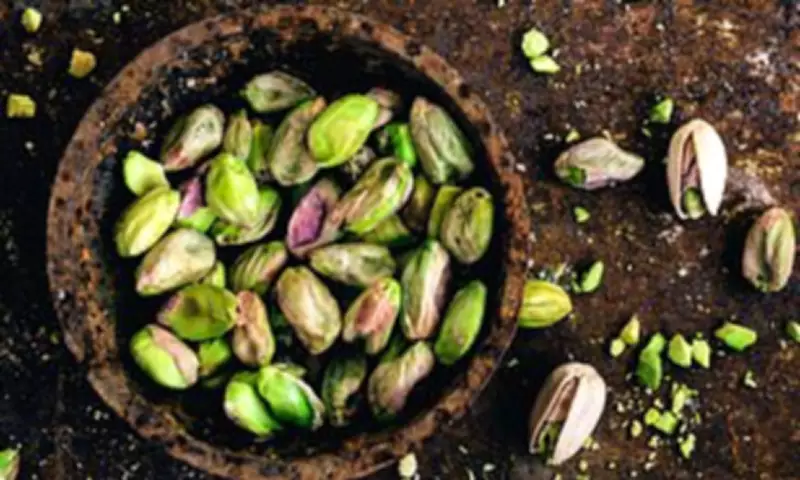
Pistachio Health Halo: Nutritionist Reveals Truth Behind Luxury Nut Trend
Over recent years, pistachios have undergone a remarkable transformation from humble snack to full-blown luxury obsession. This shift has been significantly propelled by the viral ascent of Dubai chocolate, creating a pistachio phenomenon that now permeates food culture. Suddenly, pistachio-filled croissants, glossy green spreads, iced lattes, and indulgent desserts are trading on the nut's premium appeal and perceived wellness benefits.
While pistachios themselves have been consumed for millennia, contemporary products often bear little resemblance to their whole-food origins. This raises crucial questions about whether pistachios genuinely represent a healthy snack or have simply become the latest ingredient caught in a wellness halo effect.
The Nutritional Reality of Pistachios
Rob Hobson, a registered nutritionist and author of The Low Appetite Cookbook, provides expert insight into pistachios' true nutritional profile. "Pistachios can be good for you," Hobson confirms. "They're packed with fibre, healthy fats and essential nutrients, with established links to improved heart health and appetite regulation."

However, Hobson emphasizes a critical distinction: "The mistake many people make is assuming anything labelled 'pistachio' automatically carries these same benefits. In reality, numerous products driving the current trend contain high levels of added sugar and saturated fat, effectively transforming a healthy ingredient into something closer to confectionery."
Key Nutritional Questions Answered
Are pistachios high in fibre? Yes – this represents one of their primary nutritional strengths. "A standard 30g handful provides approximately 3g of fibre, equating to roughly 10% of the NHS recommended 30g daily intake," Hobson explains. This contribution proves particularly meaningful considering only around five percent of UK men and two percent of women achieve their fibre targets.
Are pistachios high in fat? Yes – but the fat type proves crucial. "A 30g portion contains about 13g of fat, with only approximately 1.5g coming from saturated fat," Hobson clarifies. Most pistachio fat comprises unsaturated varieties associated with improved heart health when consumed within balanced diets.
Are pistachios high in carbohydrates? Not especially. A typical 30g handful contains around 8g of carbohydrates and only about 2g of sugars, making them relatively low compared with many processed snacks. Much of this carbohydrate pairs with fibre, helping slow digestion and prevent sharp blood sugar spikes.
Portion Control and Weight Considerations
What constitutes a standard pistachio portion? Approximately 30g – roughly a small handful. This provides around 160 calories, 6g of protein, 13g of fat (mostly unsaturated), 3g of fibre, and about 2g of sugar.
Are pistachios fattening? Like all nuts, they remain energy-dense. "A 30g portion provides around 160 kcal," Hobson notes. "For context, average NHS guideline intakes are 2,500 kcal daily for men and 2,000 kcal for women, so a handful represents roughly 6–8% of daily energy needs."
Are pistachios beneficial for weight loss? They can be – but context proves essential. "Large cohort studies demonstrate that regular nut consumers don't gain more weight and often maintain healthier body weights over time," Hobson reveals. "The combination of plant protein, fibre and unsaturated fat enhances satiety, while in-shell pistachios naturally slow consumption through the shelling process."
Nutrient Profile and Health Considerations
What nutrients do pistachios contain? They offer remarkable nutrient density for their size. "A 30g serving provides around 6g of plant protein, fibre, potassium, magnesium, phosphorus, vitamin B6 – one of the richer nut sources – and vitamin E," Hobson details. "This combination makes them particularly valuable for midlife adults concerned with muscle maintenance, blood pressure regulation, and cholesterol management."

Do pistachios contain antioxidants? Yes – several antioxidant compounds exist within pistachios. "Pistachios contain lutein and zeaxanthin (linked to eye health), polyphenols, and vitamin E compounds," Hobson explains. "These help protect cells from oxidative stress, though they function as part of overall dietary patterns rather than standalone protective solutions."
Do pistachios fight cancer? No single food deserves such definitive claims. "It's important not to overstate health claims," Hobson cautions. "However, diets higher in fibre associate with lower colorectal cancer risk, and pistachios contribute to overall fibre intake. Their antioxidant content supports general cellular protection within balanced, fibre-rich diets."
Who Should Exercise Caution?
Certain groups require particular attention regarding pistachio consumption. "Anyone with tree nut allergies should avoid pistachios, especially given recognized cross-reactivity with cashew allergies," Hobson advises. "Pistachios are high FODMAP, potentially fermenting in the gut and triggering bloating, wind, and stomach pain in sensitive individuals, so some IBS sufferers may need to limit portions."
Additionally, pistachios contain small vitamin K amounts. "For warfarin users, consistency in vitamin K intake proves crucial," Hobson notes. "Pistachios don't require avoidance, but significant intake changes should be discussed with healthcare professionals."
The Pistachio Product Problem
Are pistachio butter and cream healthy? This represents where nutritional profiles dramatically shift. "Pure pistachio butter should contain 100% pistachios, perhaps with minimal salt," Hobson states. "But many commercial pistachio creams, especially those in viral 'Dubai-style' chocolates, incorporate added sugar, vegetable oils, milk powders, and emulsifiers. At that point, products become confectionery rather than whole-food nut items."
Does Dubai chocolate make pistachios unhealthy? Not the pistachios themselves – but context proves paramount. "Pistachios aren't inherently unhealthy," Hobson clarifies. "The issue emerges with products like pistachio-filled chocolate bars that typically contain high sugar and saturated fat levels, dramatically shifting nutritional profiles toward energy-dense treats. You're no longer consuming whole nuts but confectionery containing pistachio flavouring."
Optimal Pistachio Utilization
Pistachios offer remarkable culinary versatility when consumed appropriately. "Sprinkle them over oats or yoghurt, add to salads or grain bowls for texture, or use as crusts for fish or chicken," Hobson suggests. "Blend into pesto, stir into couscous, rice, or roasted vegetables, or pair with fruit for protein-and-fibre snacks."
For maximum nutritional benefit, Hobson recommends specific combinations: "Pair pistachios with berries or citrus for fibre diversity and vitamin C, combine with wholegrains for sustained energy, match with oily fish for complementary heart-healthy fats, or mix with yoghurt or kefir for protein plus gut-friendly benefits."
The pistachio trend highlights broader issues within contemporary food culture, where marketing narratives often overshadow nutritional realities. While whole pistachios provide genuine health benefits, their transformation into luxury products frequently compromises these advantages through added sugars, fats, and processing. Consumers seeking pistachios' nutritional benefits should prioritize simple, minimally processed forms while approaching trendy pistachio products with informed skepticism.





