Salmon Cooking Showdown: Which Method Delivers the Most Succulent Results?
Salmon stands as one of the most nutritious and versatile proteins available, lending itself beautifully to numerous cooking techniques that each promise distinct flavours and textures. In a detailed culinary experiment, three popular methods were rigorously tested to determine which produces the juiciest and most flavourful salmon fillets.
The Testing Methodology: Ensuring Fair Comparison
All trials were conducted using identical-sized skinless salmon fillets that had been carefully patted dry and marinated for one full hour in the same glaze mixture. The glaze recipe consisted of sugar, soy sauce, white vinegar, paprika, and garlic granules to ensure consistent flavouring across all samples.
When evaluating each cooking technique, several crucial criteria were considered. The primary objective was achieving that perfect succulent and moist consistency that defines excellent salmon preparation. However, an evenly cooked, beautifully flaky fillet wasn't sufficient on its own. The ideal method also needed to deliver exceptional flavour while maintaining convenience, requiring minimal time, effort, and culinary skill from the cook.

Oven Baking: The Traditional Approach
When not relying on modern appliances, the conventional oven typically serves as the fallback method for salmon preparation. For this technique, the oven was preheated to 140°C, maintaining moderate heat to prevent the fish from surrendering all its moisture before cooking completion.
The baking tray was lined with parchment paper to prevent the fish from adhering to the surface and to promote uniform cooking throughout. This precaution proved particularly important when working with skinless salmon fillets, which have a greater tendency to stick to cooking surfaces.
After fifteen minutes of baking, the salmon required an additional five minutes to finish properly. The resulting fillets emerged with a lovely golden hue, packed with flavour and beautifully tender texture. The only minor drawback was the waiting time, though this wasn't excessive for those willing to plan ahead.
Pan-Frying: The Trickiest Technique
This method proved the most challenging by far, particularly for those unfamiliar with cooking salmon in a frying pan. Even with a splash of oil in a stainless steel pan, the fillet began clinging to the surface almost immediately and started charring on one edge within moments.
Following twelve minutes of pan-frying with a mid-cook flip, the salmon was technically done. While it boasted an attractive caramelised exterior, the flesh was noticeably drier than other methods, falling significantly short of the succulent oven-baked version. Those attempting this route must maintain vigilant temperature monitoring, as conditions can deteriorate rapidly without careful attention.
Air Frying: The Surprising Champion
This modern technique required absolutely zero preheating whatsoever. The fillet was simply placed inside the appliance and cooked at 180°C for precisely seven minutes. Cooking salmon can sometimes feel intimidating, but that anxiety vanishes completely when working with an air fryer's consistent performance.
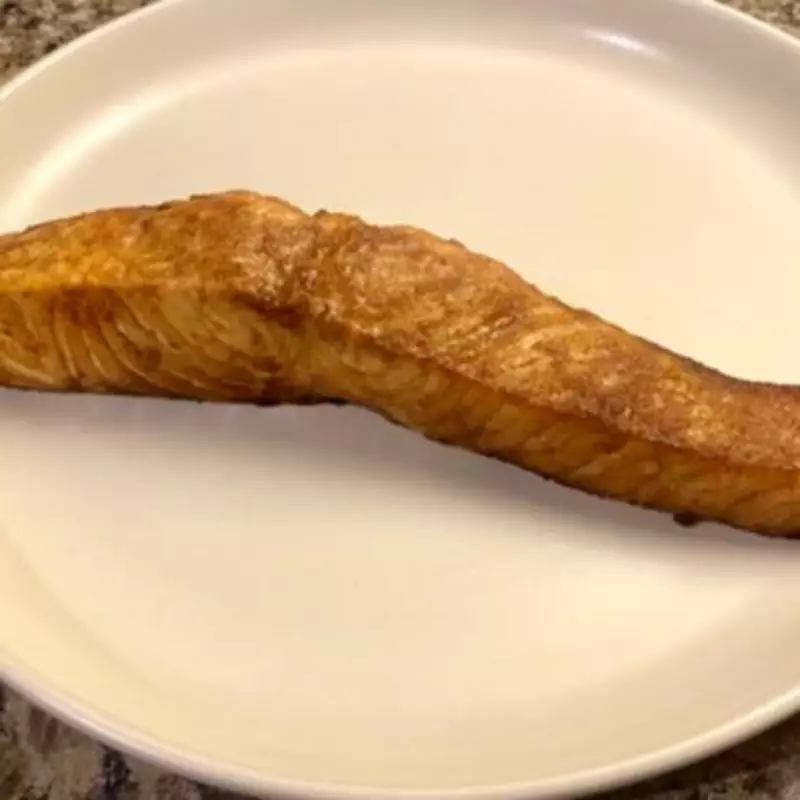
Once the timer sounded, the salmon emerged gorgeously bronzed and cooked to absolute perfection. The fish developed a cracking crisp finish while maintaining exceptional moisture levels, proving slightly juicier than even the oven-baked counterpart. The air fryer harnesses whirling hot air to cook salmon swiftly and uniformly, sealing in all that precious moisture while simultaneously delivering a mouthwatering crust that satisfies both texture and flavour requirements.
Conclusion: Unexpected Results Challenge Conventional Wisdom
Contrary to what many home cooks might expect, pan-frying produced the driest results despite its reputation for creating appealing caramelisation. Oven baking delivered reliable, flavourful outcomes with traditional appeal, though requiring more time and planning. The air fryer emerged as the clear champion, combining convenience with superior juiciness and texture development.

This comprehensive test demonstrates that modern cooking technology can sometimes outperform traditional methods, particularly when seeking that perfect balance of moisture, flavour, and convenience. Whether you're a seasoned chef or a kitchen novice, understanding these differences can transform your salmon preparation and elevate your culinary results significantly.